Did You Know
Did You Know: Ring's Smart Lock Has a Hand Crank That Revives a Dead Battery in Seconds
When the main pack dies, twisting the Power Dial a handful of times charges a supercapacitor so you get about 10 to 30 seconds to unlock with fingerprint, keypad, app, or Alexa.
SEATTLE · Maya Chen, Did You Know · Oct 9 2026
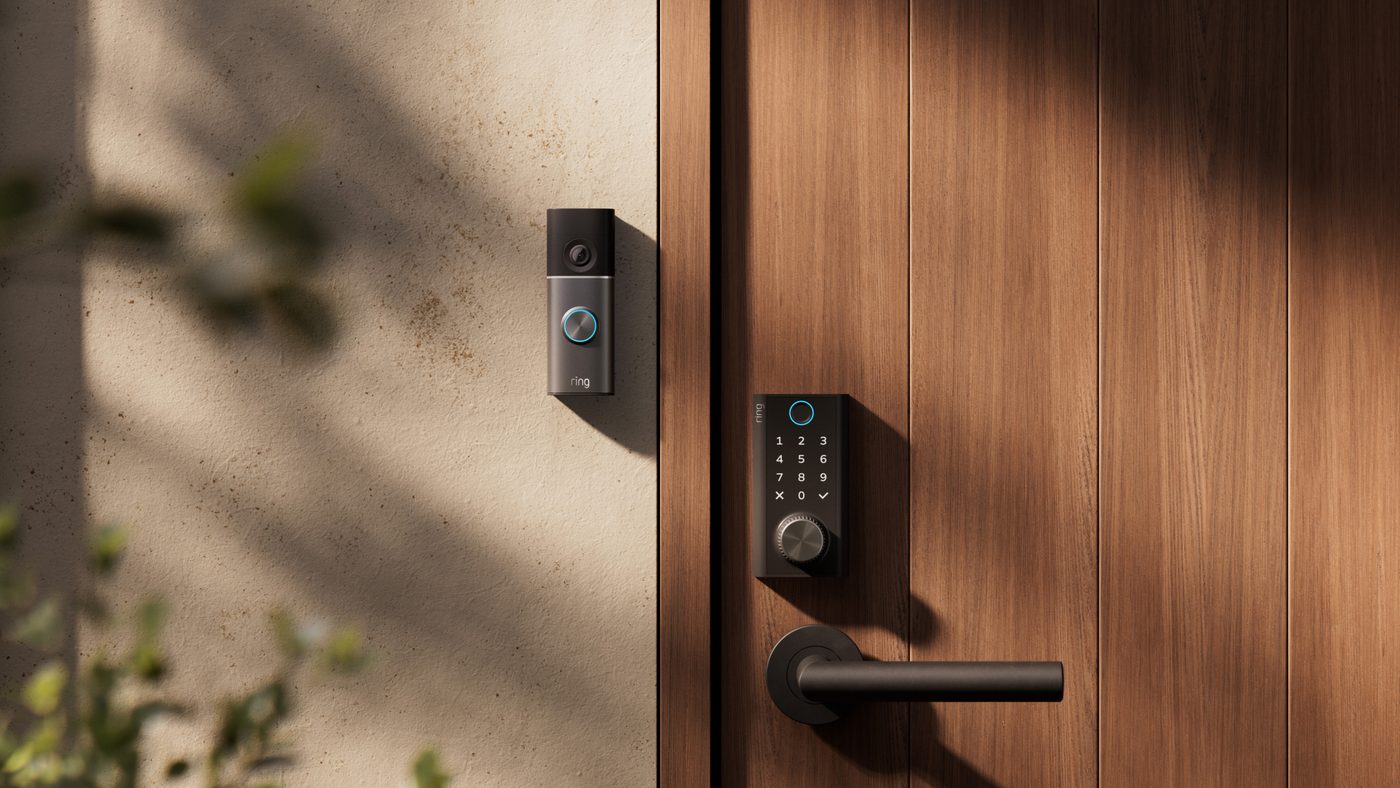
SEATTLE - Did you know that Ring’s first smart lock ships with a hand crank on the front? When the battery dies and you are locked out, you twist the Power Dial a handful of times. That spins a small motor, charges a supercapacitor, and buys you a short window to unlock with a fingerprint, the keypad, the Ring app, or Alexa. There is no physical keyhole on the door.
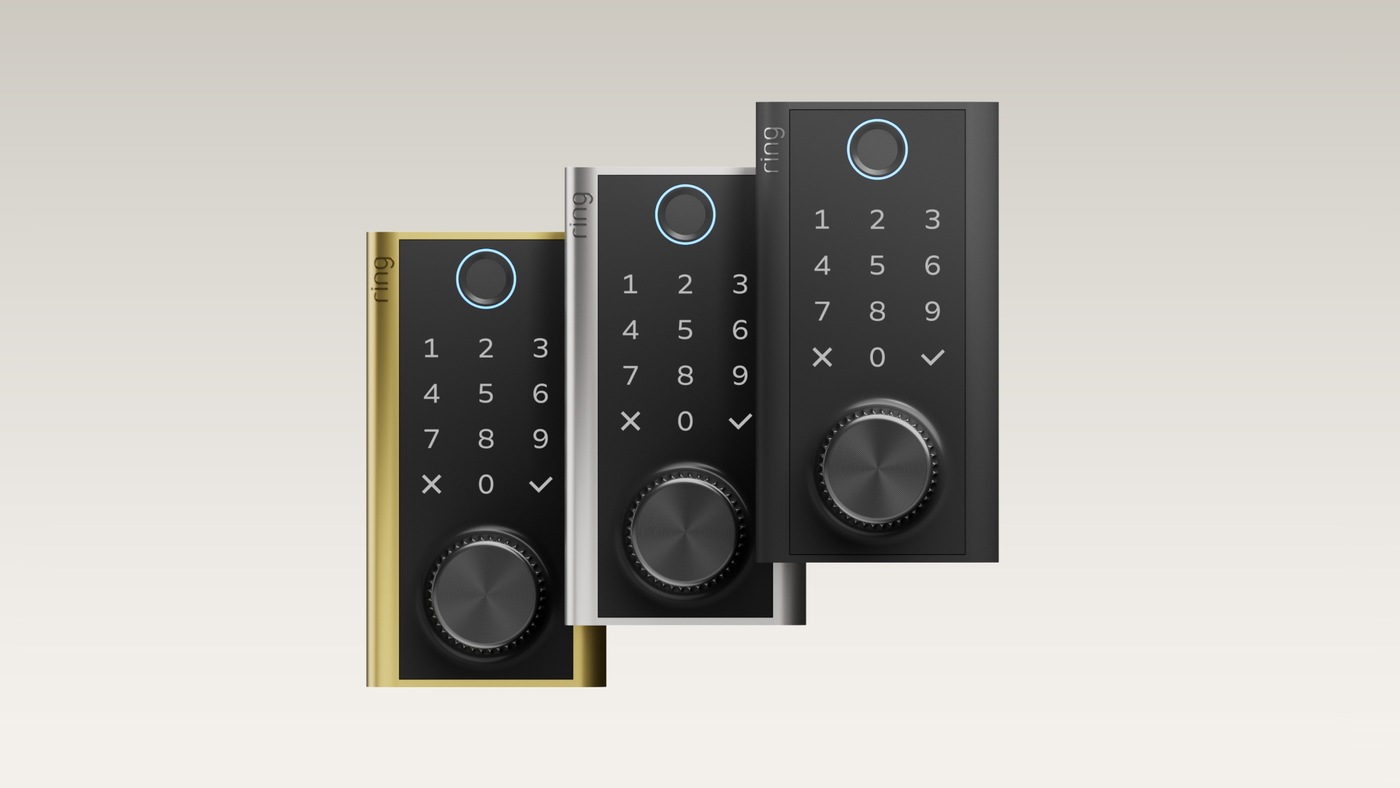 Photo: Ring / Amazon
Ring, the Amazon-owned home security brand, announced the lock on Oct. 7, 2026. It is priced at $249 and will come in black, silver, and brass. U.S. availability is aimed at early 2027, or the first quarter of 2027, once FCC authorization is in place. The unit fits a standard single-cylinder deadbolt and needs no wiring. It talks over Amazon Sidewalk, so it is not limited to your home Wi-Fi alone. The main power source is Ring’s Quick Release Ultra Battery Pack. Founder Jamie Siminoff has said that pack should last about a year, and the Power Dial feature does not require a subscription.
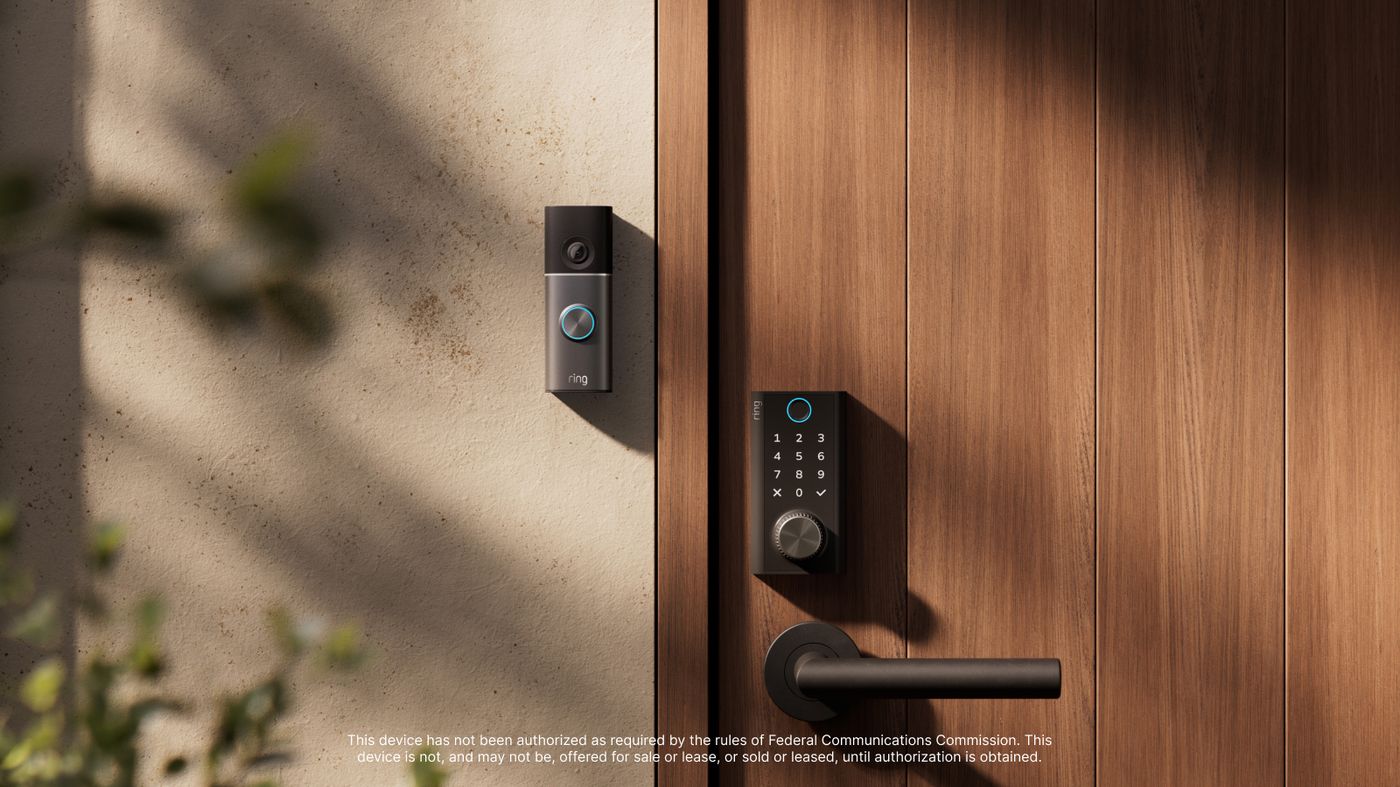 Photo: Ring via GeekWire
The Power Dial is the thumb-turn dial on the front of the lock. GeekWire’s Todd Bishop reported that roughly five to ten twists generate enough juice. TechRadar’s Jacob Krol put it at about five to eight turns, depending on how fast you spin. Engadget described a small motor feeding a supercapacitor that holds around 3 volts. That charge does not refill the main battery pack. It only powers the lock for a short burst. TechRadar said owners get about 10 to 30 seconds. Engadget called it roughly half a minute. A green light signals when the supercapacitor is ready, and then you unlock with fingerprint, keypad, app, or Alexa before the charge fades.
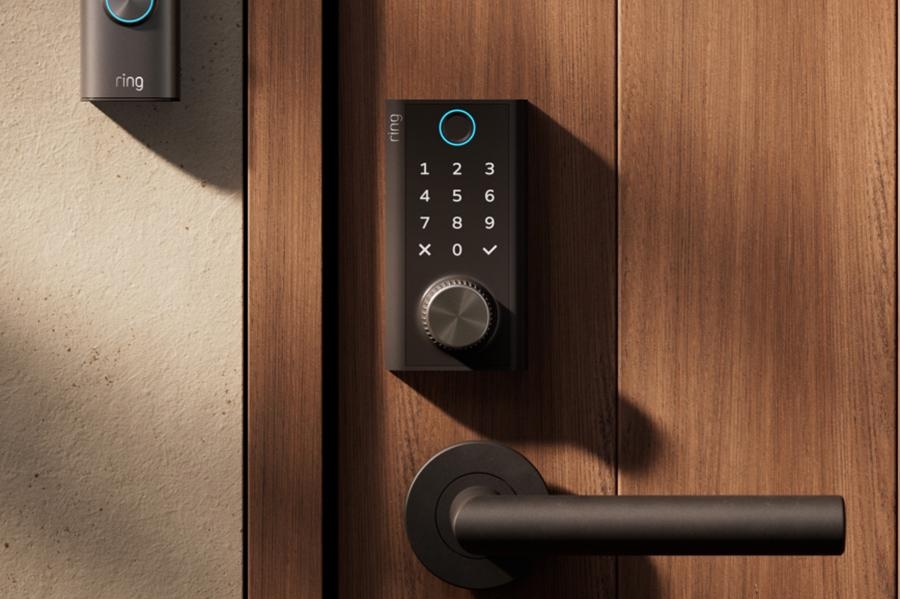 Photo: Ring via The Verge
Siminoff told reporters that other smart locks often fall back on 9-volt terminals or a USB port when the pack dies. Those fixes fail if you do not have a spare battery or cable at the door. Hand-cranking the main pack would be useless, he said, comparing it to “a garden hose in an Olympic-sized swimming pool.” Before he handed the idea to engineers, he used Amazon Q to check whether a hand crank could work at all. The Verge’s Andrew Liszewski and About Amazon’s product post both frame the dial as the lock’s answer to the classic dead-battery lockout.