Did You Know
Did You Know: OnePlus's New Power Bank Can Show You the ID Code Printed on Its Own Battery Cells
OnePlus's first power bank with a screen does more than count down to empty. A teardown found it will read out the identification code of each cell inside, the date the cells were made and a running tally of overvoltage and overheating events, the kind of record China's new power bank standard demands.
SHENZHEN, China · Kenji Watanabe, Did You Know · Nov 15 2026
SHENZHEN, China - Did you know that a $32 power bank can now tell you exactly which battery cells are inside it, down to the code stamped on each one? OnePlus’s SUPERVOOC 67W Pocket Power Bank with Display, the company’s first power bank with a screen, has a page in its menu that shows the model and identification code of each of its two cells. When ChargerLAB took one apart in a teardown published Nov. 10, the code on the screen matched the one printed on the cell itself.
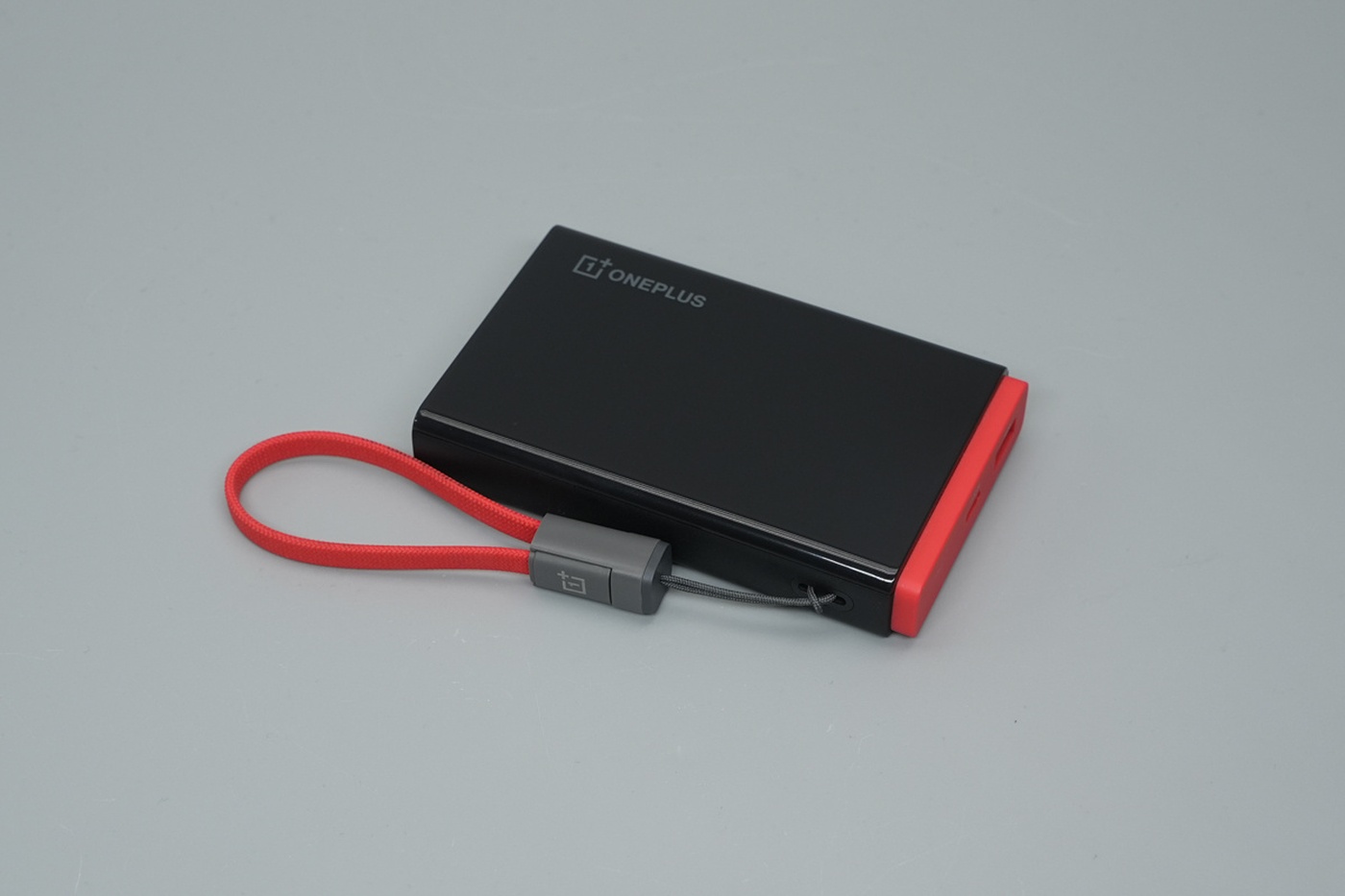
OnePlus introduced the power bank in China on Oct. 12 alongside the OnePlus 16, priced at 229 yuan, or about $32, according to Gizchina. It is a 10,000 mAh brick with one USB-C port, one USB-A port and a red braided cable that doubles as a lanyard, and both ports can deliver up to 67 watts to OnePlus and OPPO phones.
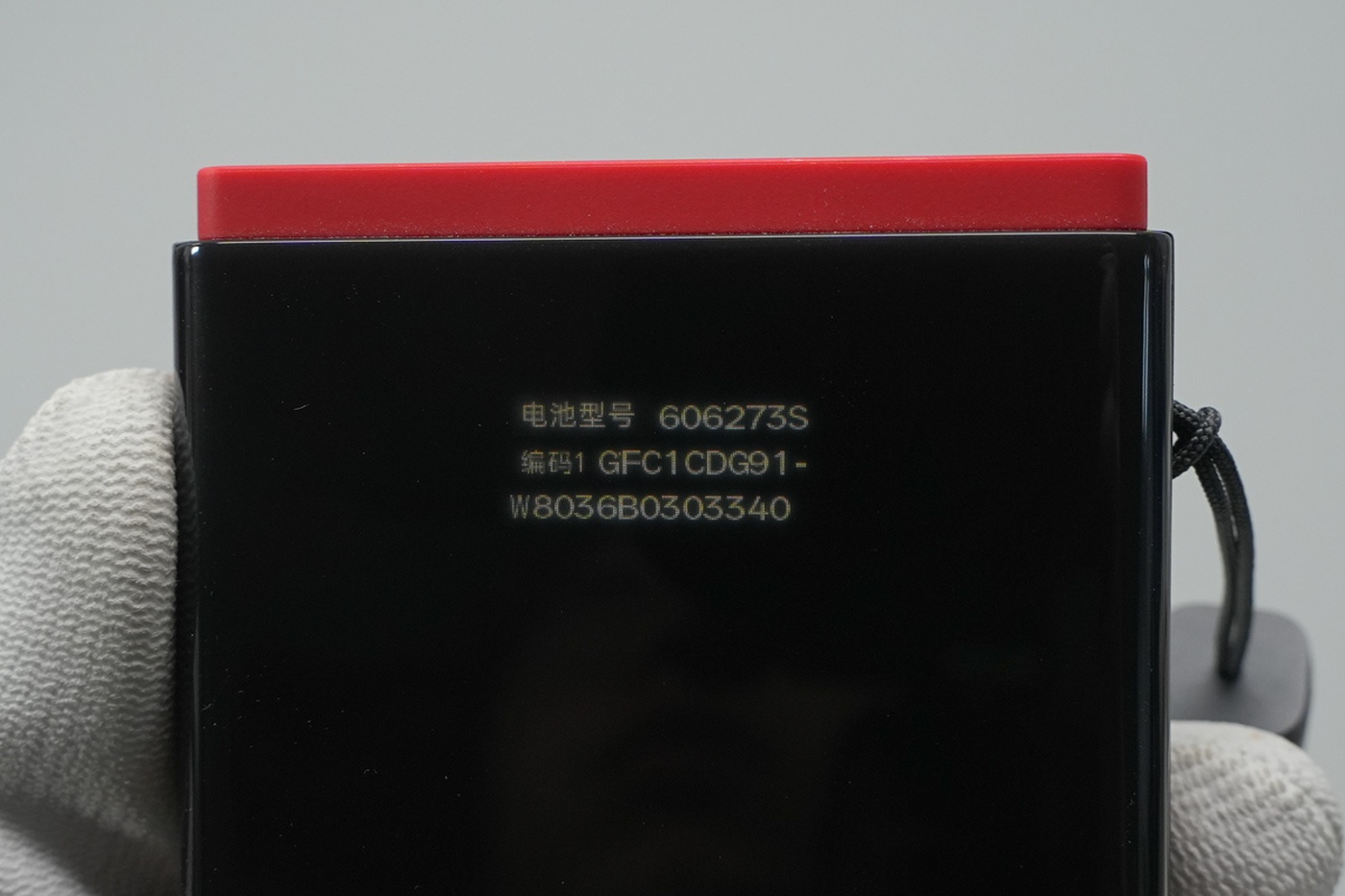 Image: ChargerLAB
The screen hides beneath the glossy black front panel. A short press of the side button flips through pages that ChargerLAB described one by one: remaining charge, battery health and the total number of charge cycles, the real-time temperature of the cells, the voltage of the pack and of each cell, and the production date of the cells. In ChargerLAB’s photos, both cells were made on Sept. 1, 2026, about five weeks before the Oct. 6 production date printed on the power bank’s label. Two more pages show “the identification info for the first battery cell” and then the second.
Peel the casing away and the same string is there in dot-matrix print. ChargerLAB found two cells from GFC, model 606273S, each rated at 5,000 mAh and 19.55 watt-hours. The label on the first cell reads GFC1CDG91-W8036B0303340, character for character what the screen had shown.
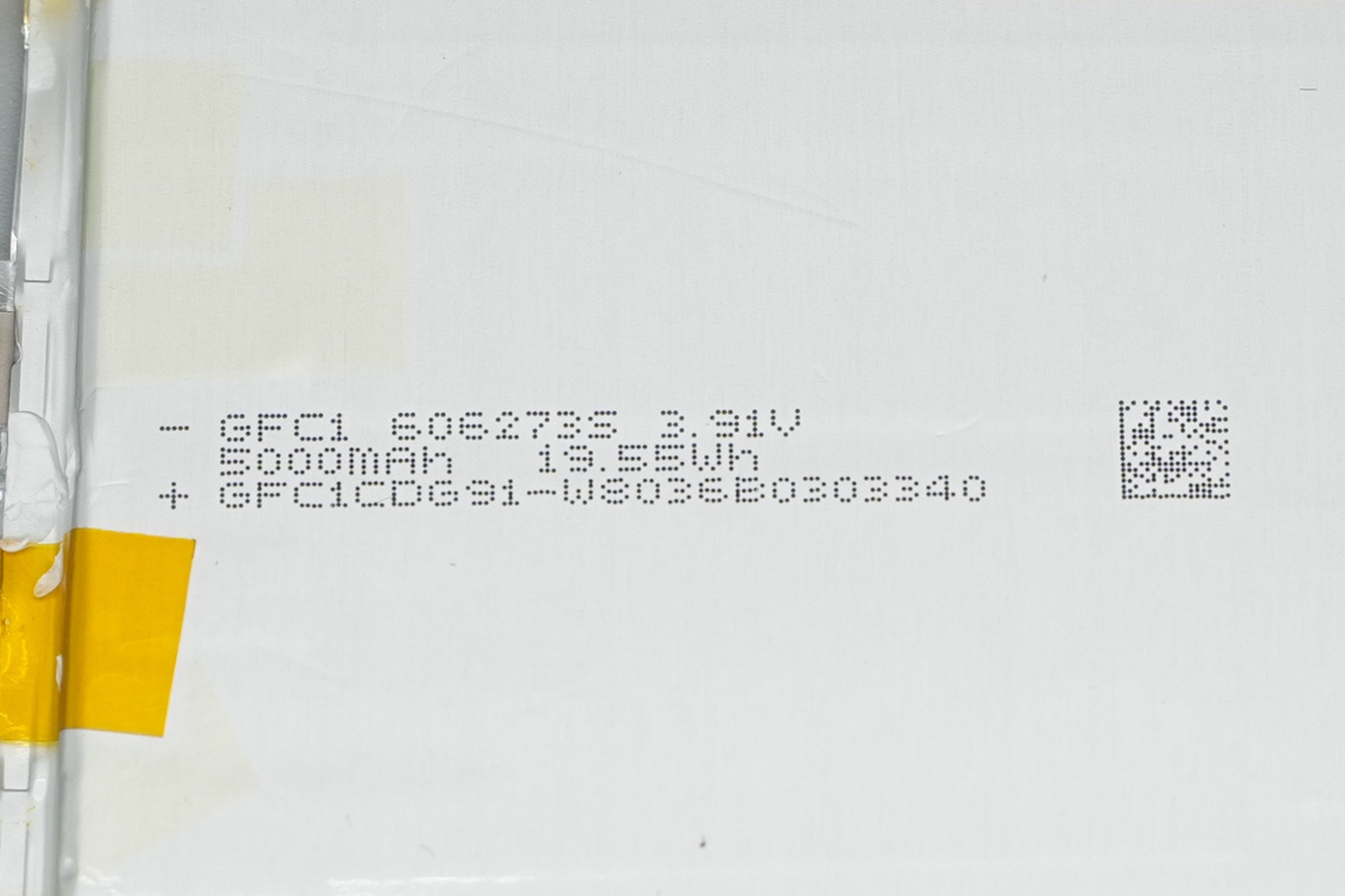 Image: ChargerLAB
The last two pages are the ones that sound most like a flight recorder. “The safety records page records and displays the number of abnormal overvoltage events,” ChargerLAB wrote, and “the final page shows the number of abnormal overtemperature events.” On the unit ChargerLAB tested, both counters read 00/00.
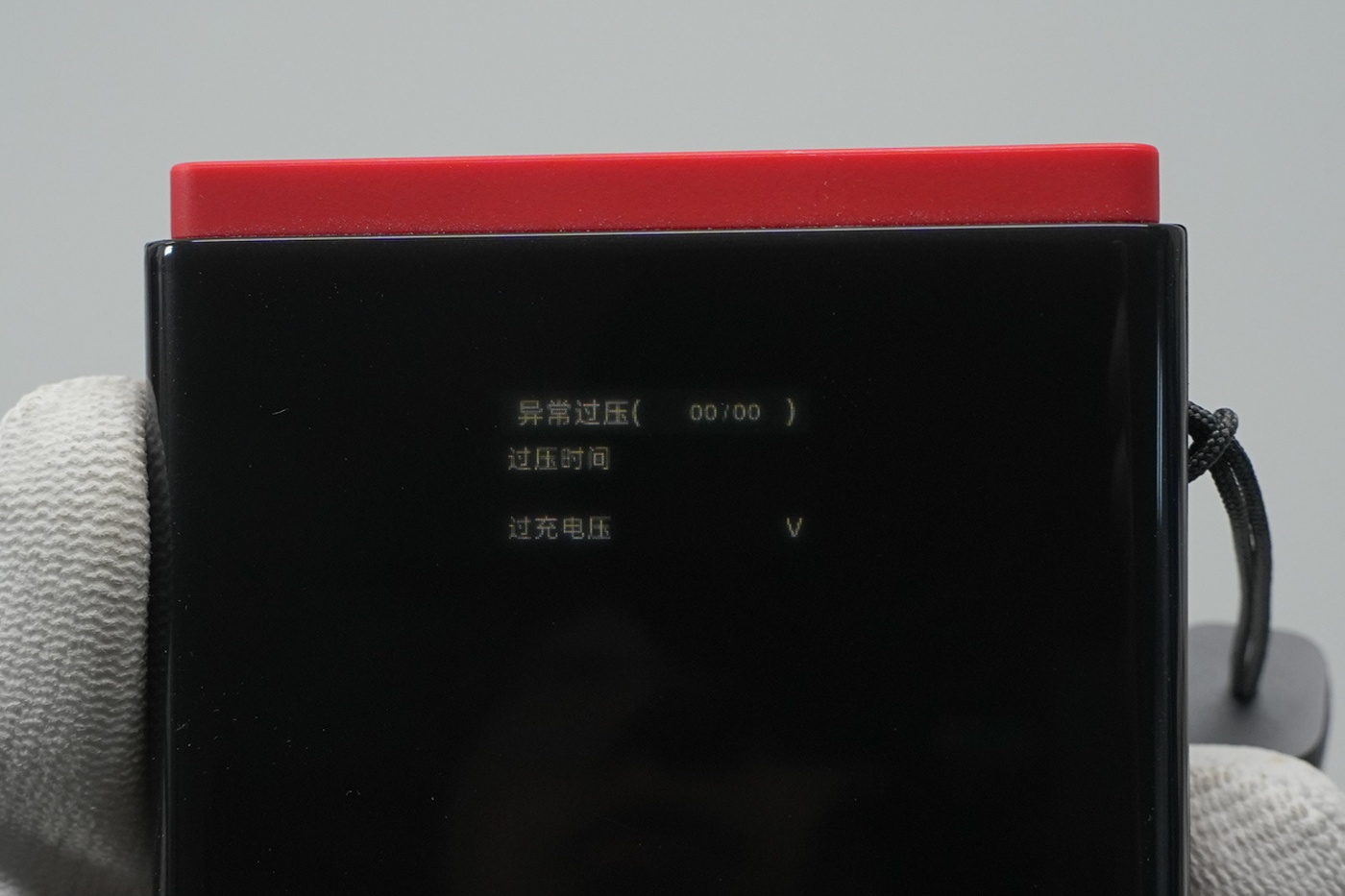 Image: ChargerLAB
None of this is a OnePlus whim. The label on the bottom of the power bank lists GB 47372-2026, China’s new mandatory safety standard for power banks, which was published on March 31 and becomes compulsory on April 1, 2027, according to China’s national standards database. In a question-and-answer briefing published by People’s Daily on April 3, experts from the China Electronics Standardization Institute explained that the standard requires power banks to monitor battery voltage and temperature in real time and to store abnormal events so that owners can read them back. It also calls for a unique product code that identifies the maker of the battery inside, a recommended safe service life printed on the product, and a charging voltage that the power bank lowers on its own after a certain amount of time or use, so that an aging battery is pushed less hard.
The standard is also the first in China to require a nail penetration test for consumer batteries, the experts said, along with a check for lithium plating after 300 charge cycles. ChargerLAB wrote that the OnePlus cells had gone through “4mm steel needle penetration, 1.4-ton compression, 1.3x-voltage overcharging, a 135°C high-temperature test, and an aging test covering 300 charge/discharge cycles.” OnePlus, ChargerLAB noted, was “a key participant in drafting the standard,” and OPPO appears on the list of drafting organizations in the standards database.
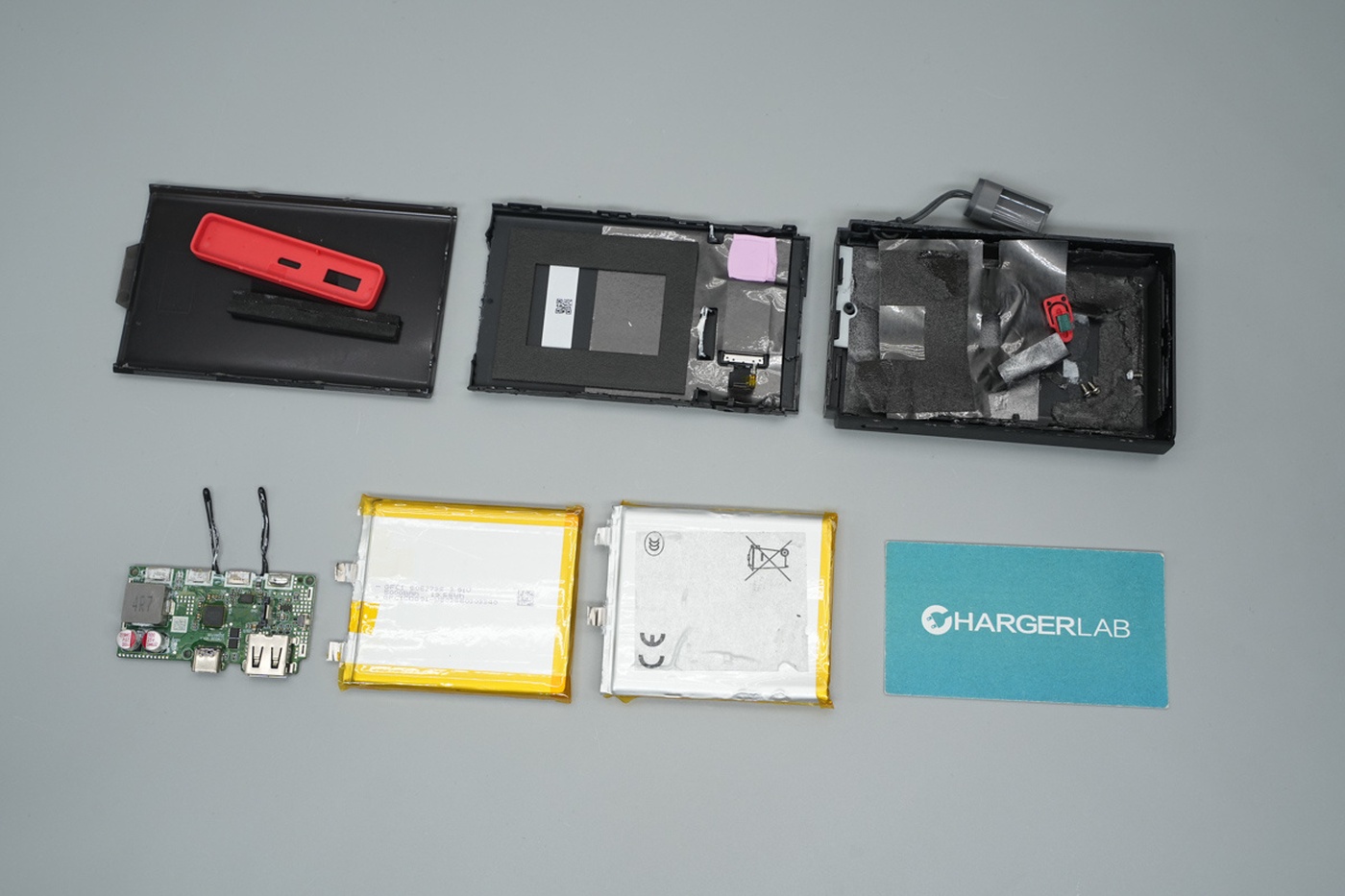 Image: ChargerLAB
The record keeping lives in a single chip. ChargerLAB identified it as the iSmartWare SW6328, which handles the charging circuitry, the fast-charging protocols, the color display and what the site called “safety recordkeeping required by the new standard,” with 16M of internal flash used for data storage and logging. Two temperature probes are soldered to the back of the circuit board, one for the surface of each cell. Plug the power bank into a phone running ColorOS 17 and the phone recognizes it on its own and shows its status, with no app to install.
China’s market regulator has said much the same thing about why it wants this kind of paper trail. When it announced QR codes for the CCC certification mark on power banks, e-bikes and gas appliances, the State Administration for Market Regulation said investigations into a series of safety incidents had been hampered because the old mark could not tell consumers or regulators who made a product or which certificate covered it.
Buyers outside China are unlikely to see this one on a shelf. “An official U.S. or European release of the SUPERVOOC power bank therefore appears unlikely,” Gizchina wrote, “although overseas retailers and independent importers may still offer it.”