Did You Know
Did You Know: Google Japan Built a Keyboard Whose Keys Ride Conveyor Belts to Your Finger
The Gboard Kurukuru Version puts 116 keys on four motorized belts, so one hand stays still while the letters roll past. It is not for sale, but the build files are free on GitHub.
TOKYO · Maya Chen, Did You Know · Oct 12 2026
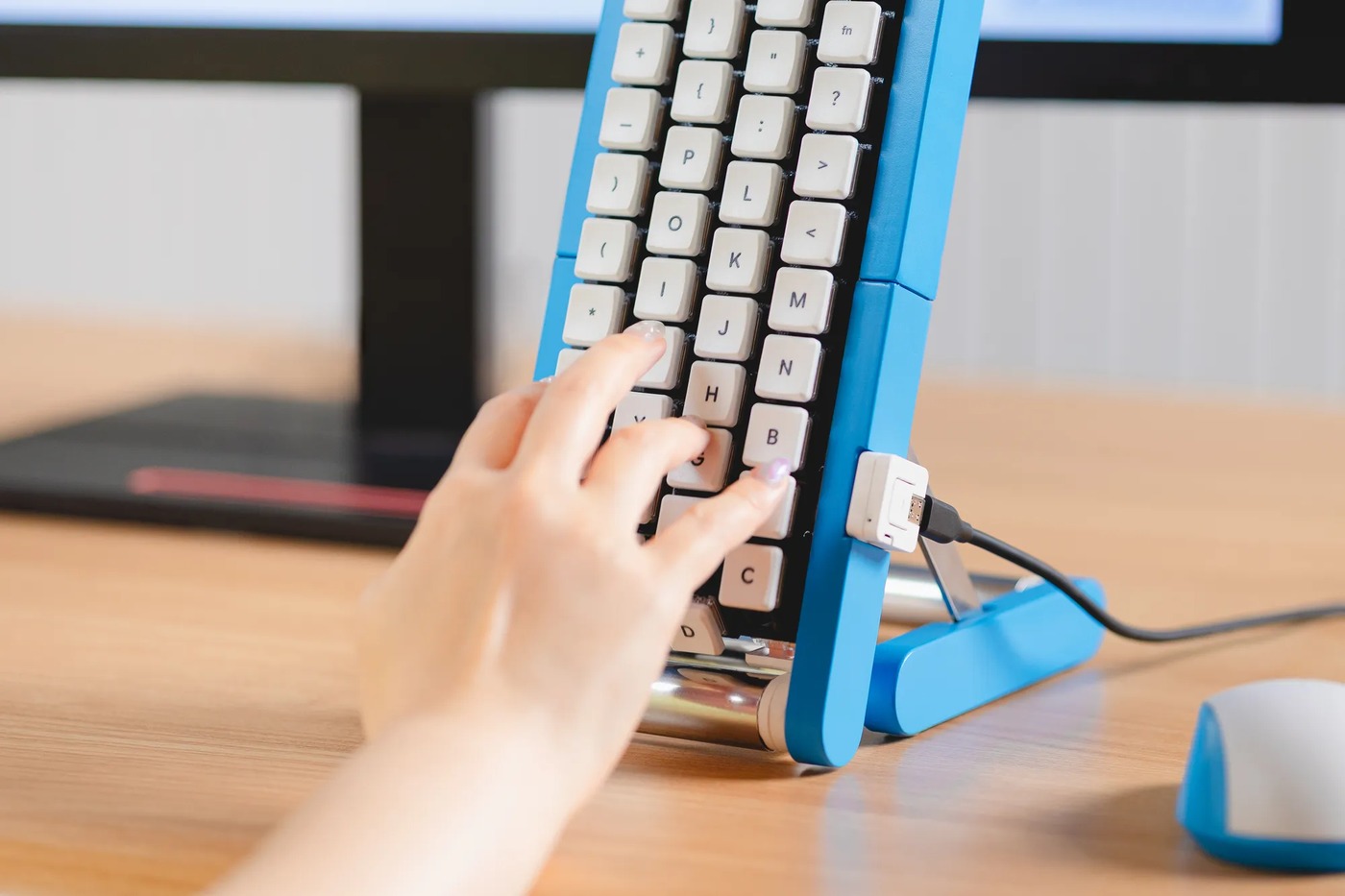
TOKYO - Did you know Google Japan has built a working keyboard where you never reach for the keys, because the keys come to you? The Gboard Kurukuru Version, unveiled on Oct. 1, 2026, mounts 116 keys on four conveyor belts, 29 keys to a belt. You keep one hand in place and tap each character as it rolls under your finger. Uppercase and lowercase letters can both be typed directly.
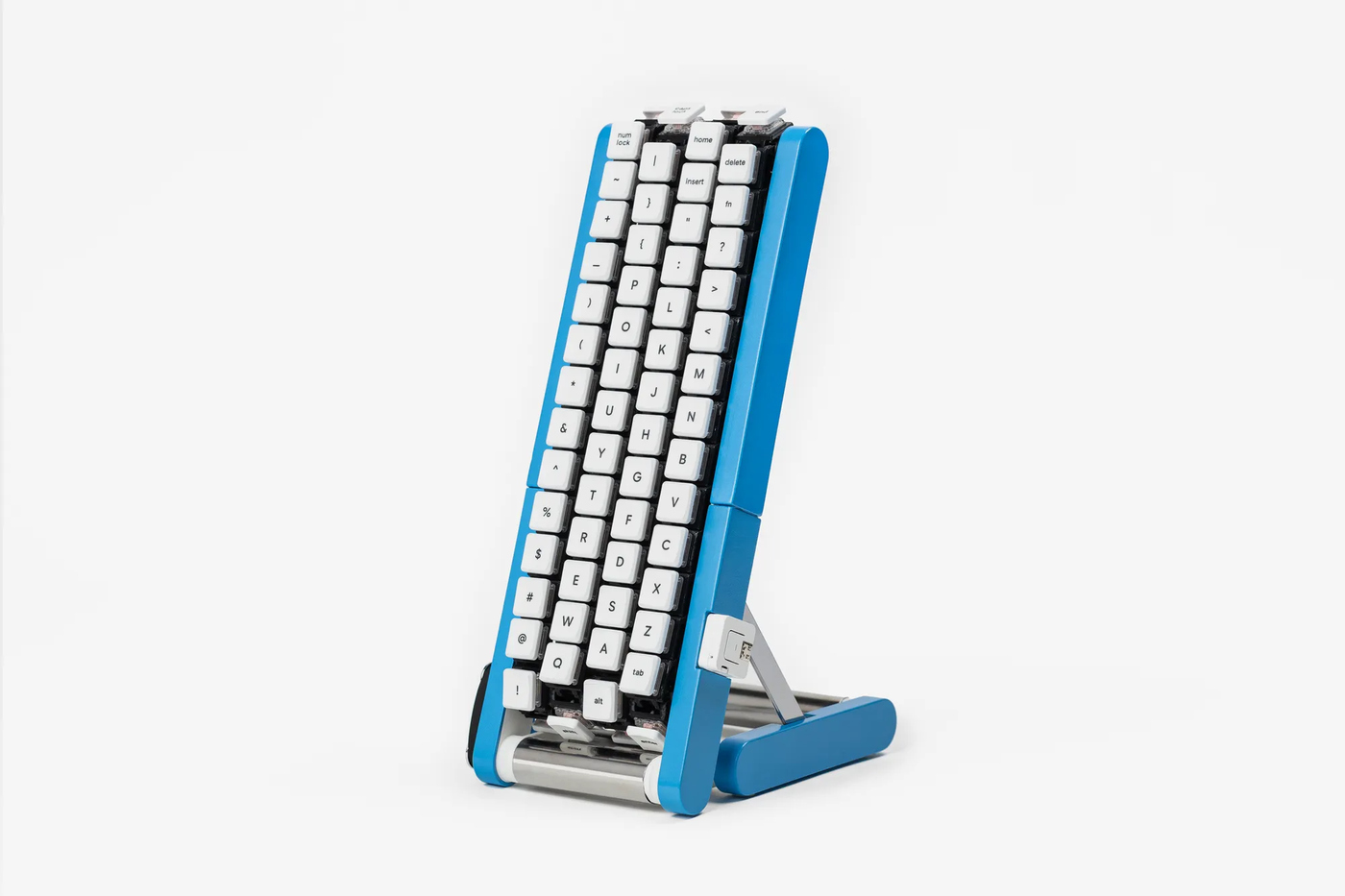 Photo: Google Japan
The Gboard team’s post on the Google Japan blog pitches it as an answer to one-handed and one-finger typing. Instead of moving your arm across a fixed layout, the keyboard does the moving. The team suggests the free hand can hold a cup of tea or work a mouse, and that a second unit could make two-handed typing possible again. Google says it has no plans to sell the device.
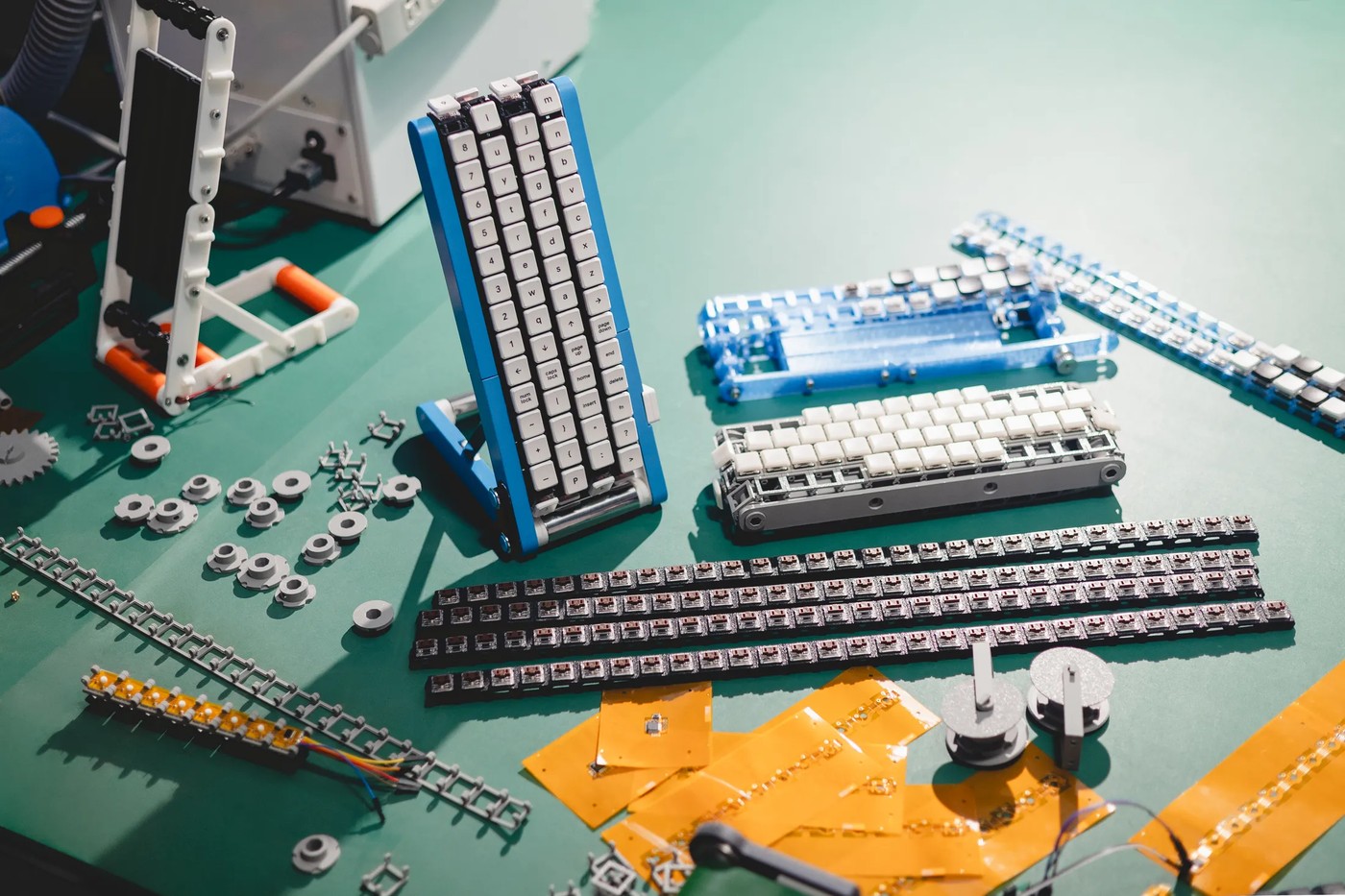 Photo: Google Japan
What you can do is build one. Google published the design files, firmware and a build guide in its mozc-devices repository on GitHub. The guide calls for 157 3D-printed pieces across 18 part types, including 116 belt links, plus 116 Kailh low-profile Choc V1 switches and keycaps. A 6-volt N20 gear motor rated at 150 RPM turns the belts through a timing belt, run by an ATOMS3 Lite controller and a DRV8833 motor driver. The guide lists two editions: a Moving Keys Edition, whose instructions are posted now, and a Bluetooth Connection Edition, described as a functional Bluetooth keyboard and marked coming soon. The repository notes that it is not an official Google product.
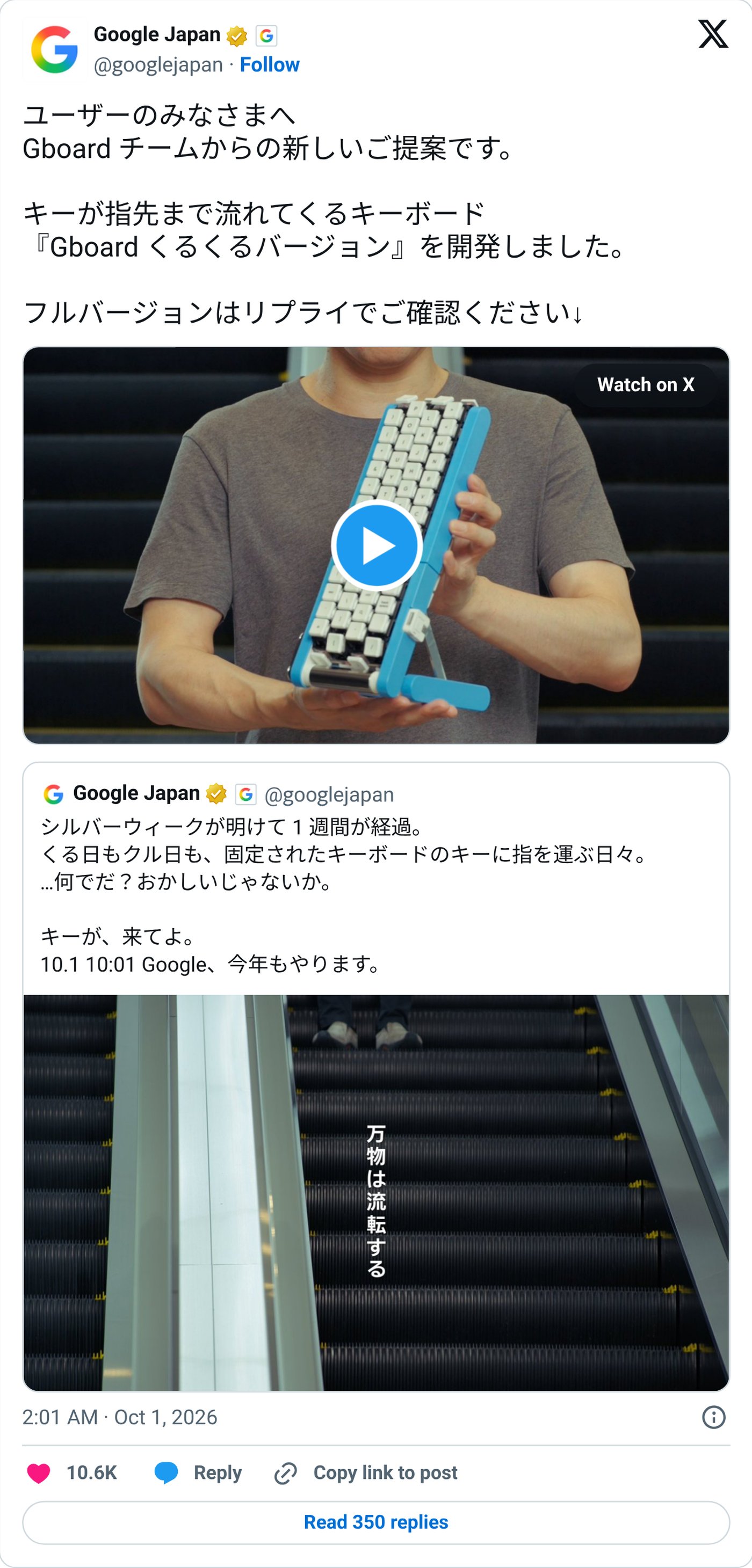 Screenshot: @googlejapan on X
The date is part of the joke. Google Japan shows off a new keyboard every Oct. 1 because 10/1 echoes the common 101-key layout, and this is the 15th entry in the series. The launch post on X went up at 10:01 a.m. Tokyo time and had passed 5.4 million views by Oct. 12. New Atlas traced the lineage back to a single-key Morse code keyboard in 2012, through the 2024 Double-Sided Gboard and last year’s rotary dial version.
*Video: Google Japan on YouTube, "Gboard くるくるバージョン"*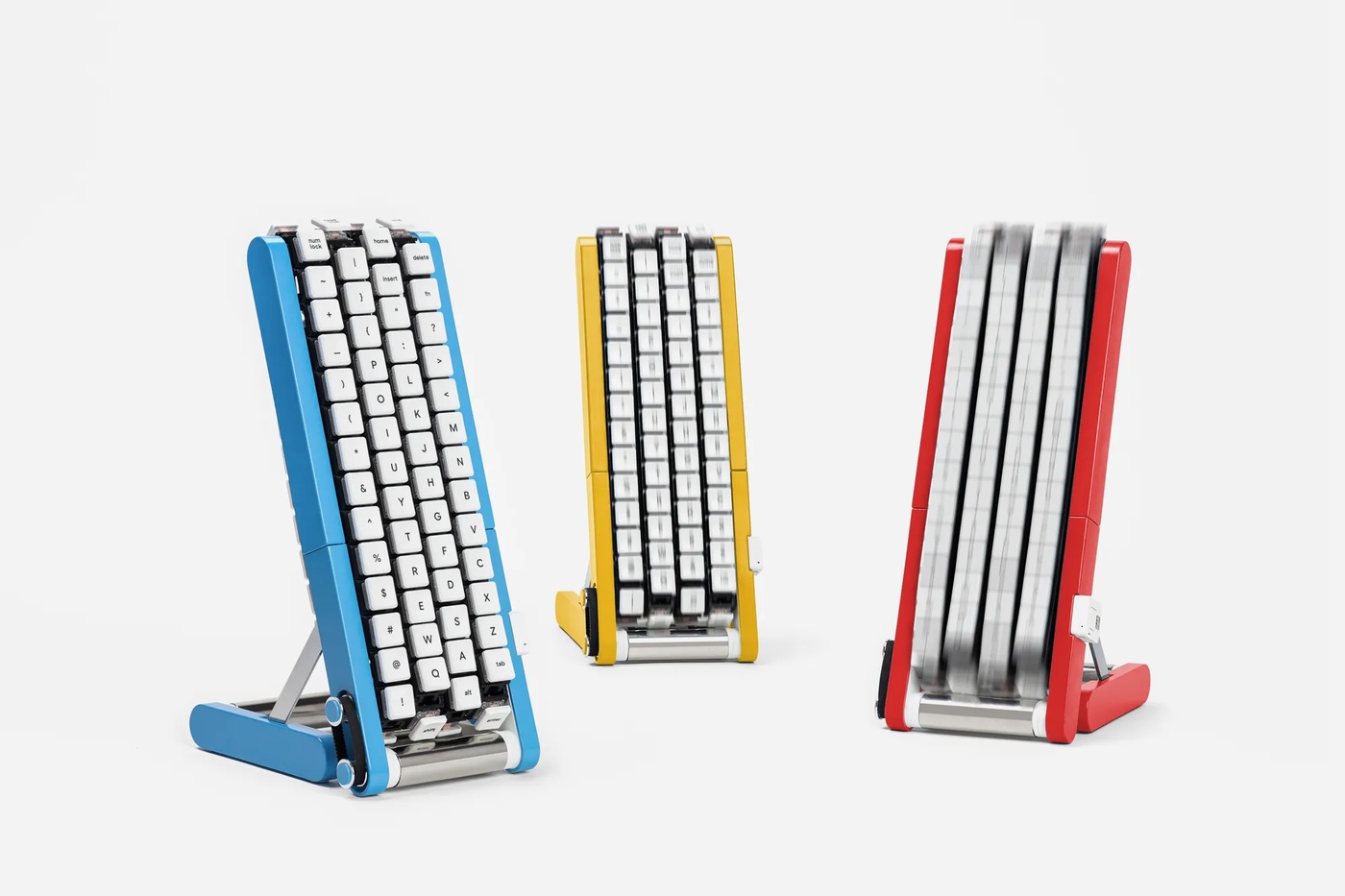 Photo: Google Japan
The surprising part is that the gag is real, working hardware. Typos are unforgiving, as New Atlas pointed out: miss a letter and you wait for Backspace to come back around. Google’s blog says the team is also considering a high-speed mode, a long version with more characters and a short version built for carrying.