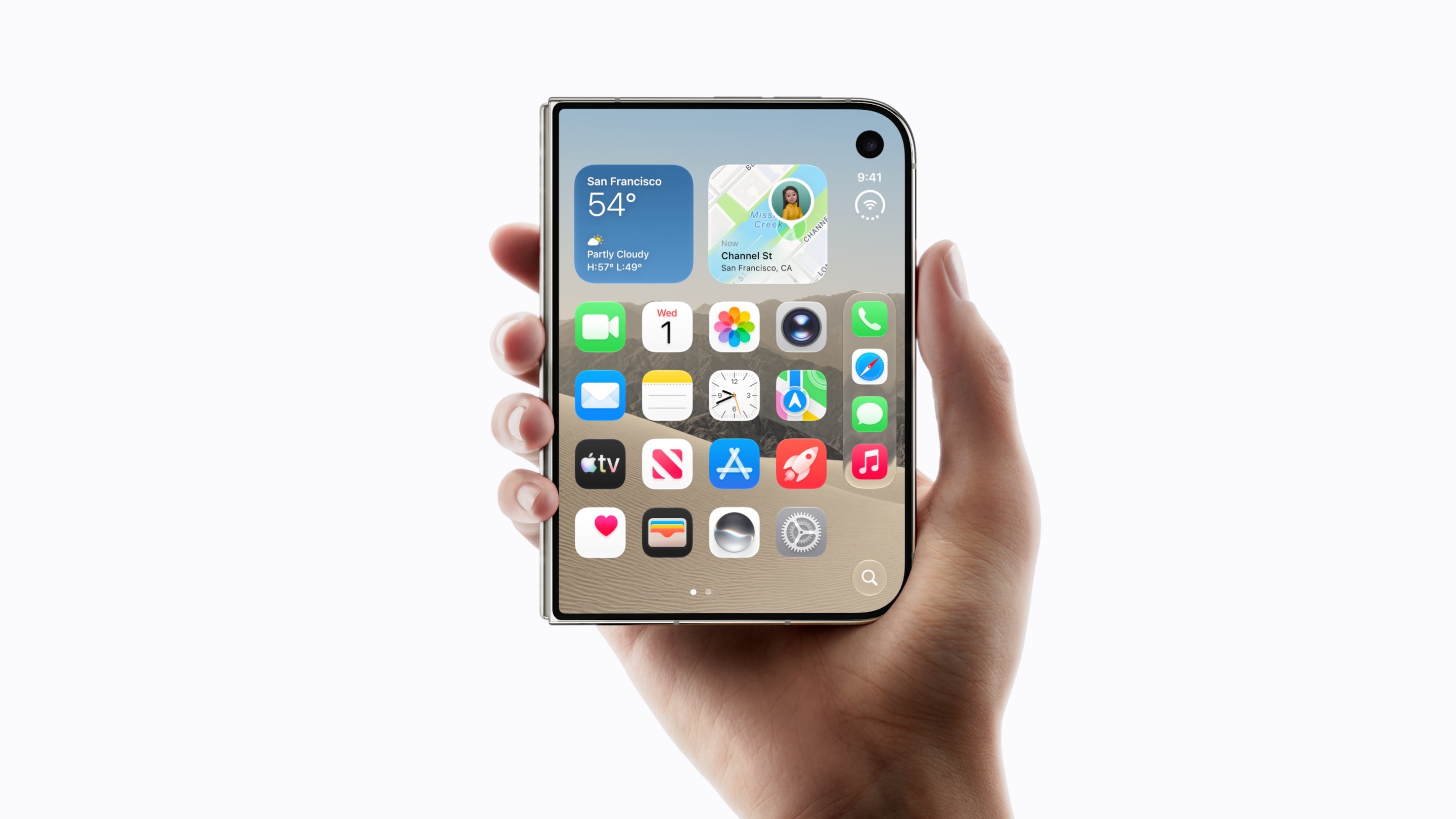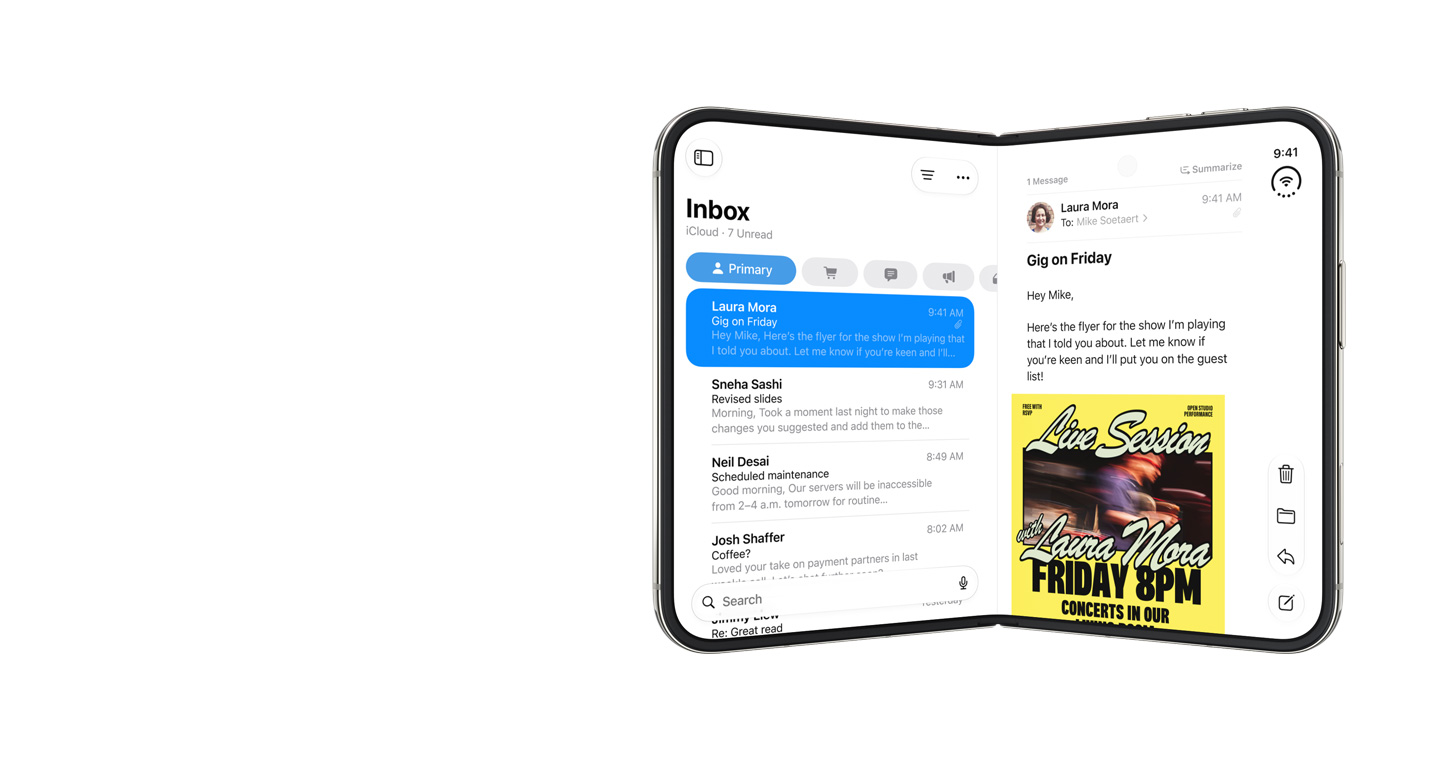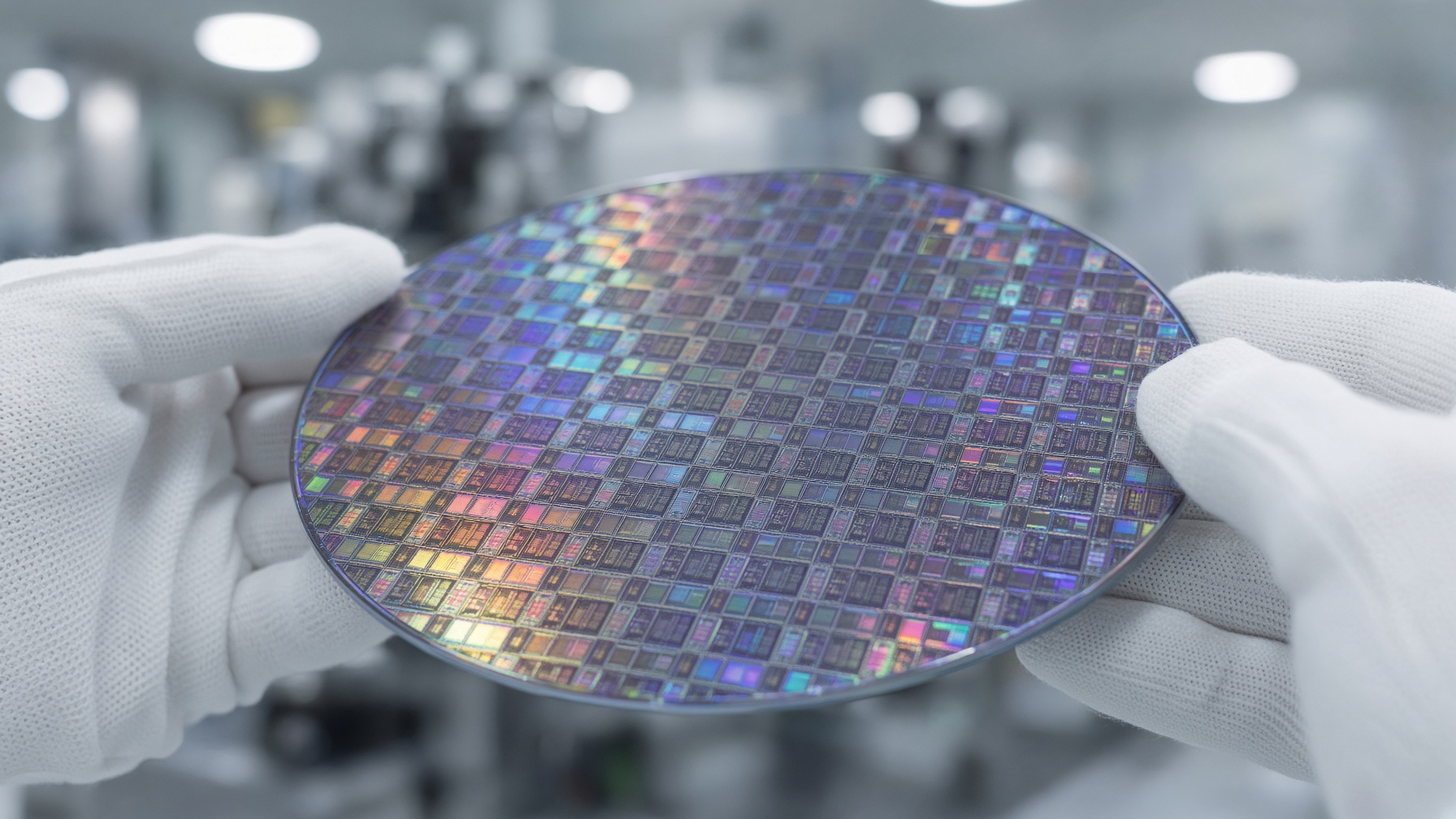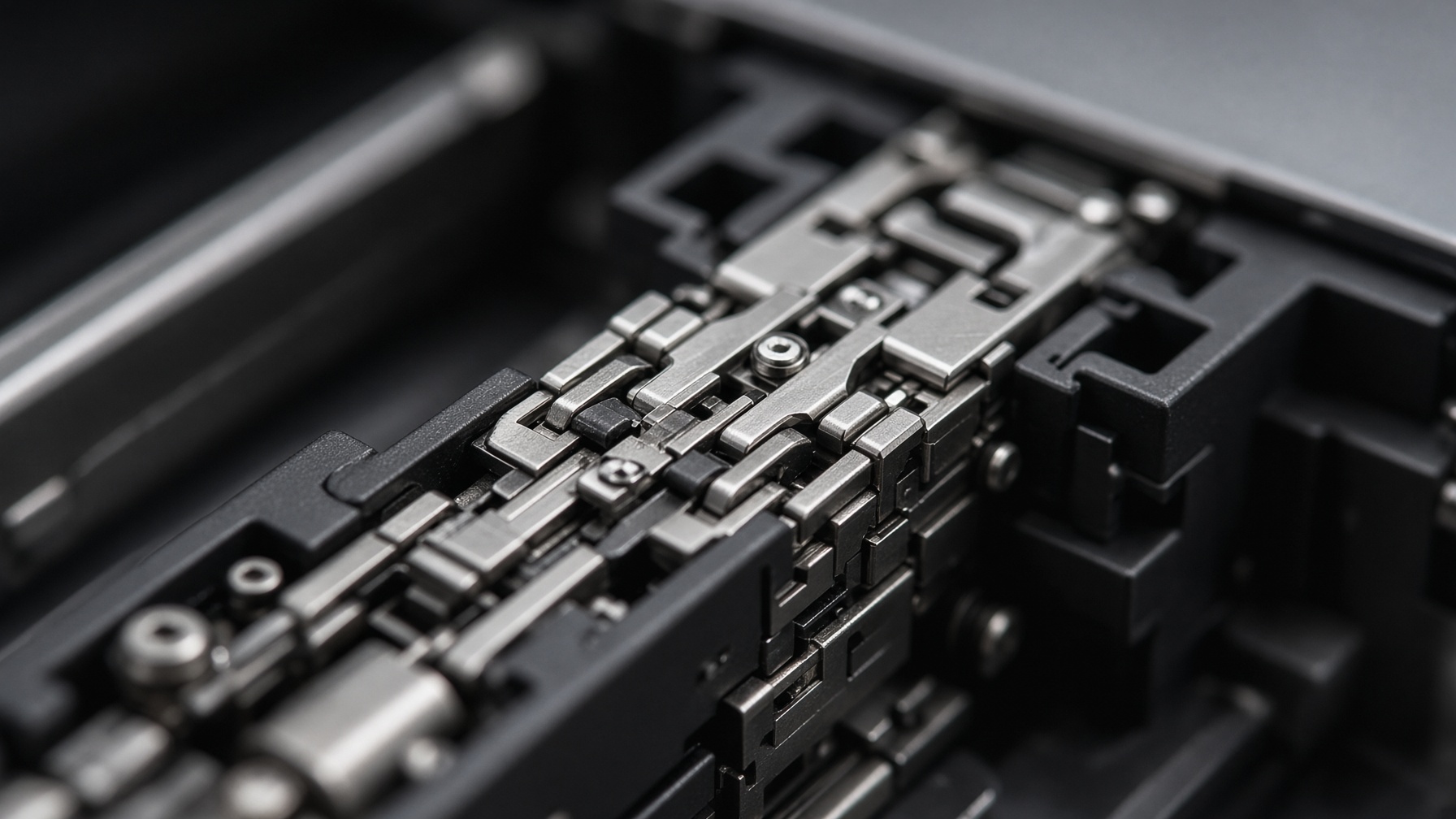
Foldables fail in the middle. The crease collects dust, the hinge collects grit, and after a year the phone remembers every opening. Apple’s answer is a folding system of more than one hundred precision components and a manufacturing step that would have sounded like marketing five years ago: a model on the line that pairs each hinge with the housing it is least likely to fight.
The company is unusually specific about this and unusually vague about everything else. It will not say how many devices a line can finish in an hour, or what happens when a hinge is a few microns off. It will say the inner display is IP68, which would put the Duo ahead of most Android foldables on paper, and that the crease is no longer something you should feel.
Repair people already have questions. A hundred-part hinge is a hundred-part invoice. If Apple’s pairing algorithm is doing real work, a replacement hinge is not a commodity — it is a match. That is good for durability and bad for independent shops.
Samsung has had years to climb this hill and still fights teardowns every generation. Apple is arriving with a premium price and a claim that the mechanical problem is solved. October 23 is when the claim meets pockets, lint, and backpacks.