Gadgets
No Camera Required: Meta Connect Pushes Ray-Ban Audio, Gen 3 Frames, and $1,299.99 VR Glasses
Connect puts a camera-free Ray-Ban Meta Audio on the near-term list from $349, a slimmer Ray-Ban Gen 3 beside it, and Meta VR Glasses at $1,299.99 for spring 2027.
MENLO PARK, Calif. · Maya Chen, Gadgets · Sep 24 2026
MENLO PARK, Calif. - Meta used Connect on Wednesday to argue that the next pair of glasses does not have to include a camera. The day put Ray-Ban Meta Audio, a camera-free frame, ahead of a slimmer Ray-Ban Meta (Gen 3), and listed a wired Meta VR Glasses pair at $1,299.99 for a spring 2027 launch.
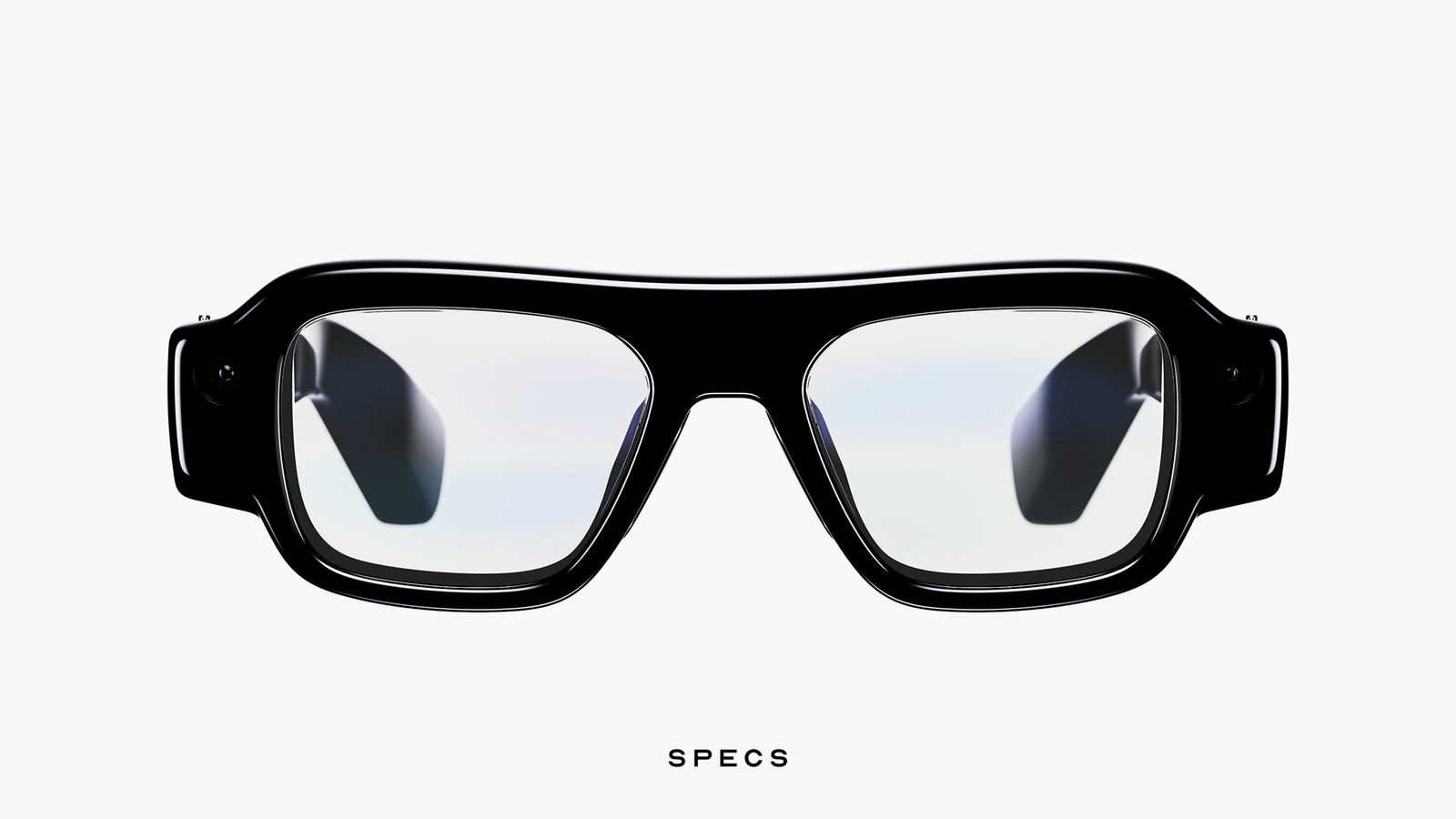
Ray-Ban Meta Audio is the no-camera model. Meta’s newsroom post and TechCrunch both put the starting price at $349. Meta says the frames weigh 43 grams and are built for open-ear audio, calls, and hands-free talk with an assistant, with up to 12 hours on a charge and up to 48 more hours from the included case. Styles named for this line are Clubmaster and Burbank, across 23 color and lens combinations, and they can be ordered with a prescription. TechCrunch reported that Meta set preorders for Oct. 13.
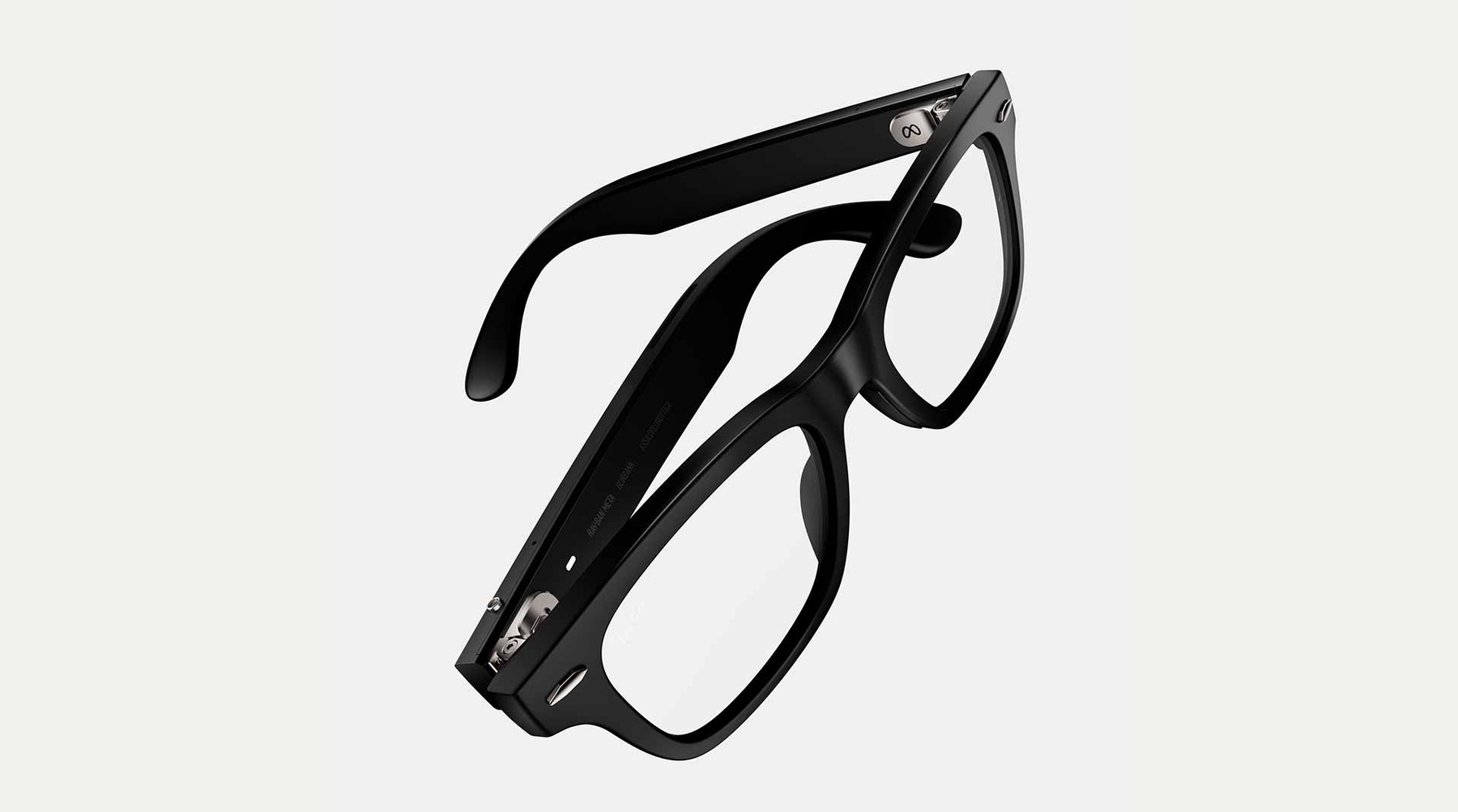 Photo: Meta
The camera line moves to Ray-Ban Meta (Gen 3). Meta says the frames are slimmer, add an action button for Meta AI, and carry the longest battery of any Ray-Ban Meta model. TechCrunch reported up to nine hours, an hour more than Gen 2. New silhouettes are Aviator and Zena, a cat-eye, alongside the existing Wayfarer. WIRED reported a starting price of $449, with a special-edition Aviator at $579.
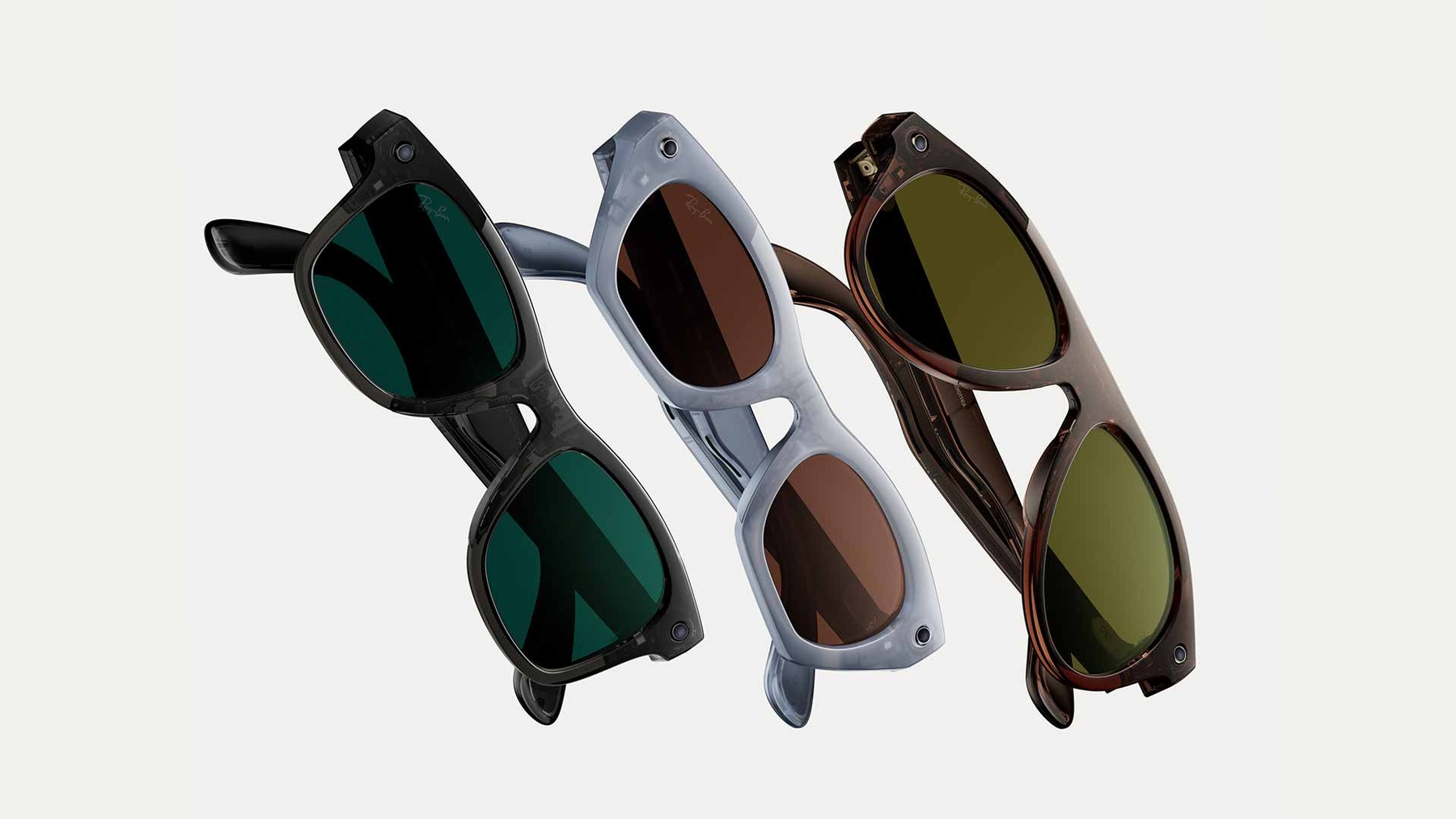 Photo: Meta
On the Meta-branded frames, the company introduced a collection with the artist LISA. Meta’s post names two styles, both from $399 and both able to take a prescription: the Meta Adventurer LISA Edition, a Moonlit Sky frame with Blush lenses, and the Meta Capri LISA Edition, an Eclipse cat-eye with gray lenses. The frames and case carry a star mark, with case charms Meta says are inspired by LISA’s pets, plus digital photocards unlocked with the glasses.
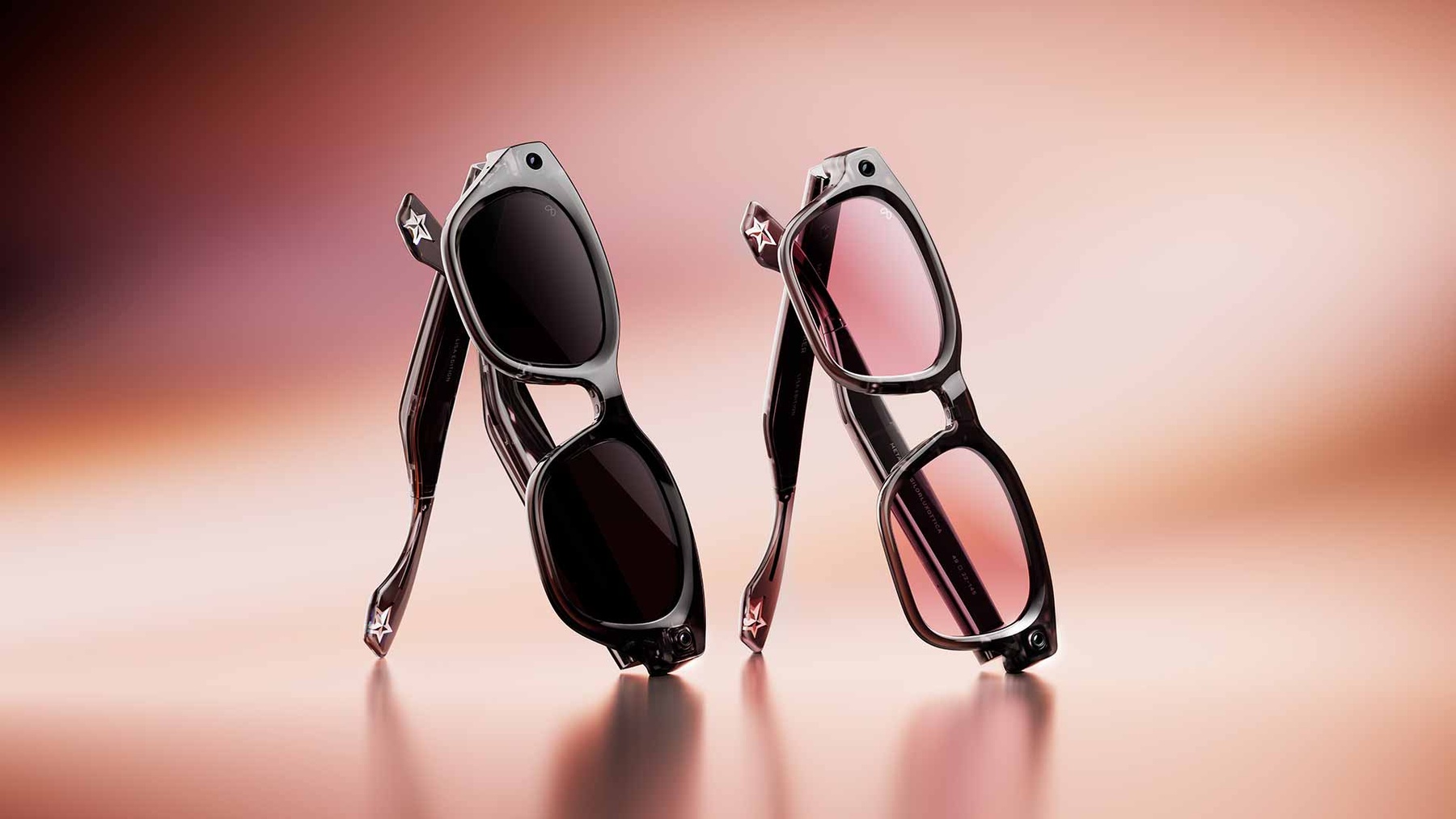 Photo: Meta
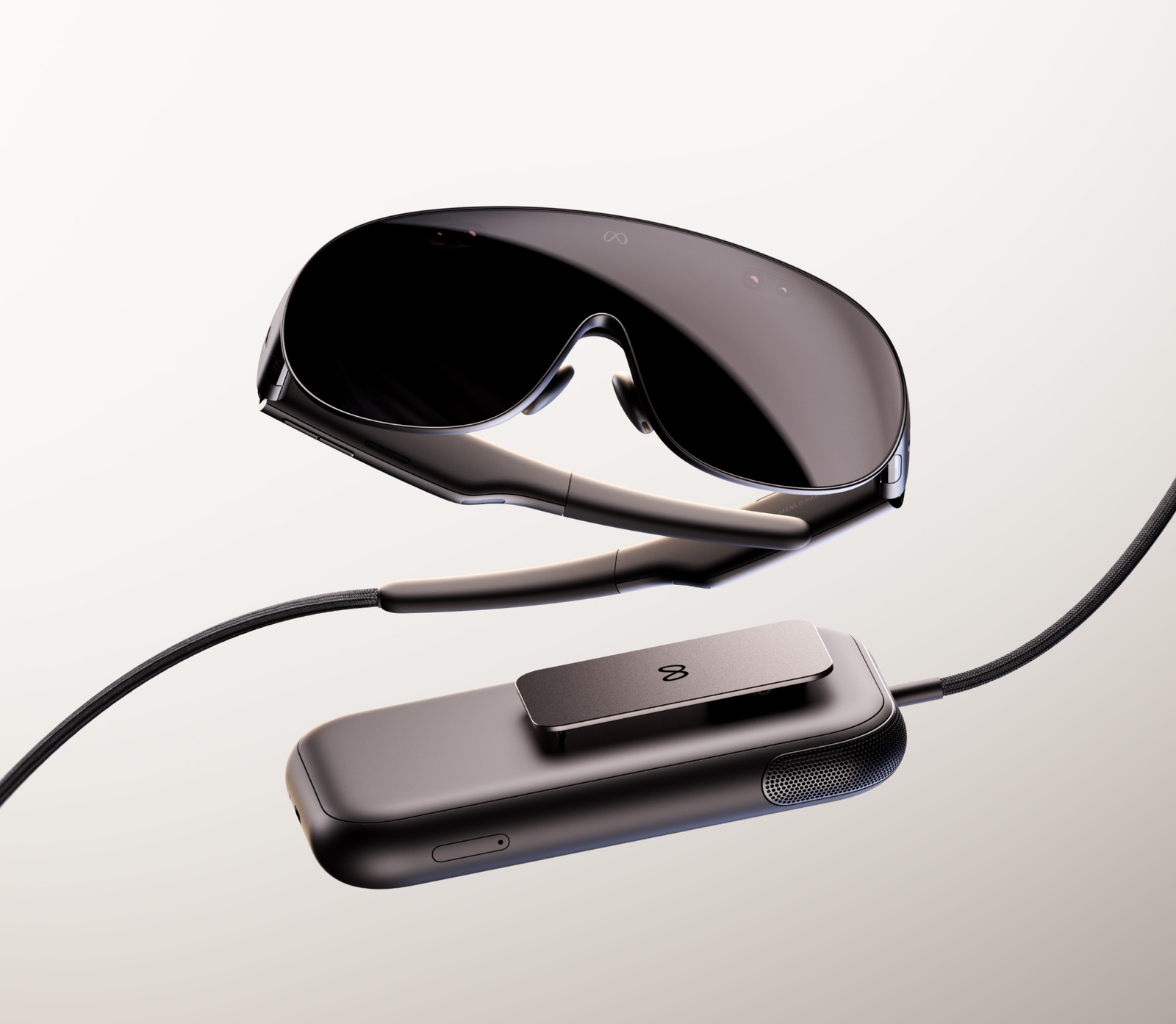
The expensive end of the same announcement is Meta VR Glasses. Meta’s Connect recap prices them at $1,299.99 and points to a spring 2027 launch. The company says the glasses weigh about 100 grams, about five times lighter than Meta Quest 3, and use a 5K Infinite Display built on micro-OLED panels. Battery and processors sit in a puck you clip to a belt, pocket, or bag, linked by a wire. Meta says you navigate with eyes and hand gestures rather than controllers, and that the glasses can open multi-panel virtual displays, including on a table or desk. A photorealistic calling feature Meta calls Hologram is slated for the same spring launch. The Verge’s hands-on, citing Meta, adds a Snapdragon Reality Elite processor in the puck, 12GB of RAM, 128GB of storage, up to three hours of media playback, 2,412 by 2,288 pixels per eye, 37 pixels per degree, and a refresh rate up to 120Hz. Six outward cameras track the hands.
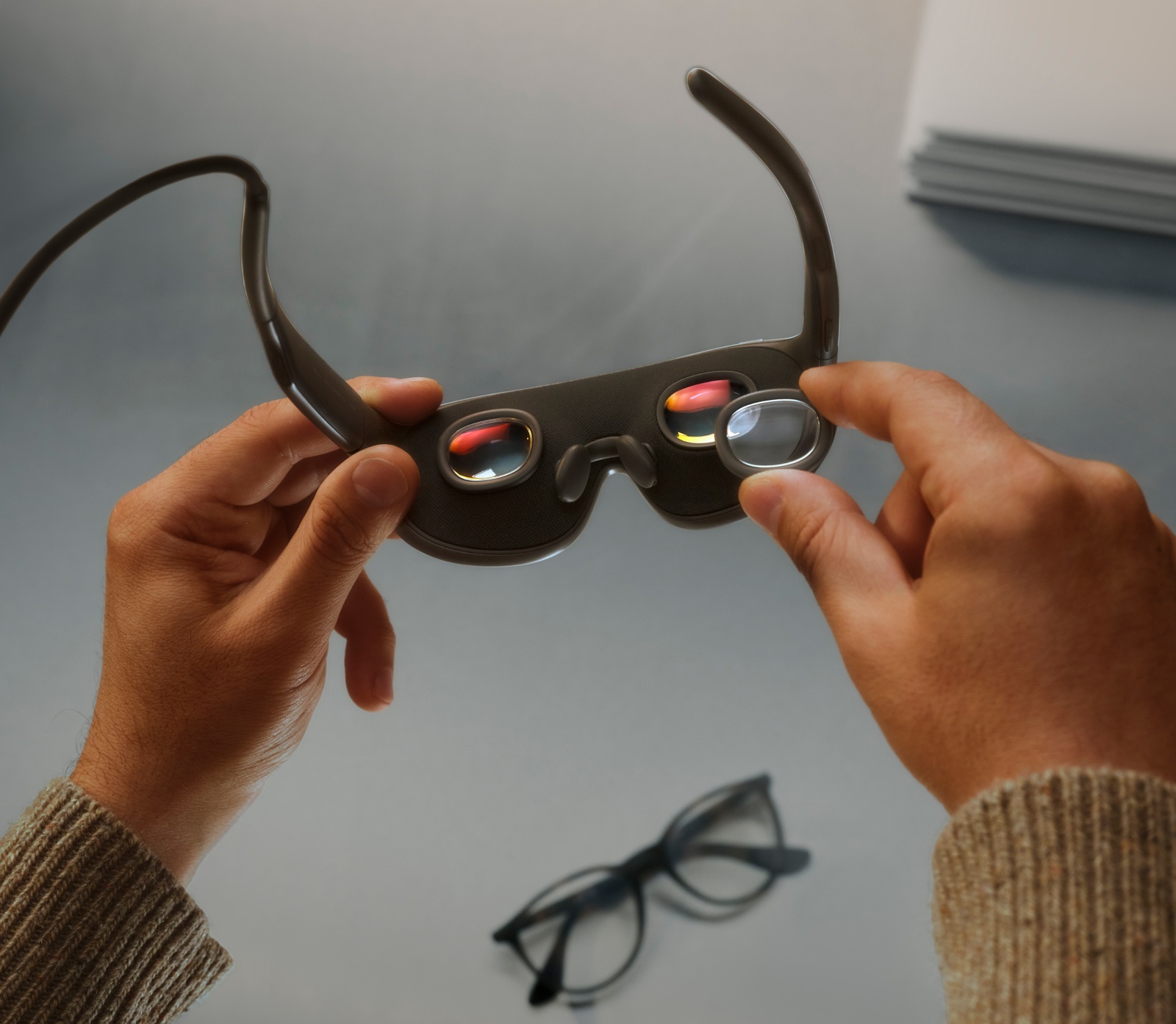 Photo: Meta
Muse, the personal agent Meta introduced earlier, is headed to the glasses. Meta says that in the coming months you will wake it on AI glasses by saying the agent’s name, and that it can act on what the cameras see. Muse Charm is a separate pocket device for talking to that agent with a real-time voice model. Meta said it will share more on the Charm later this year and did not list a price.
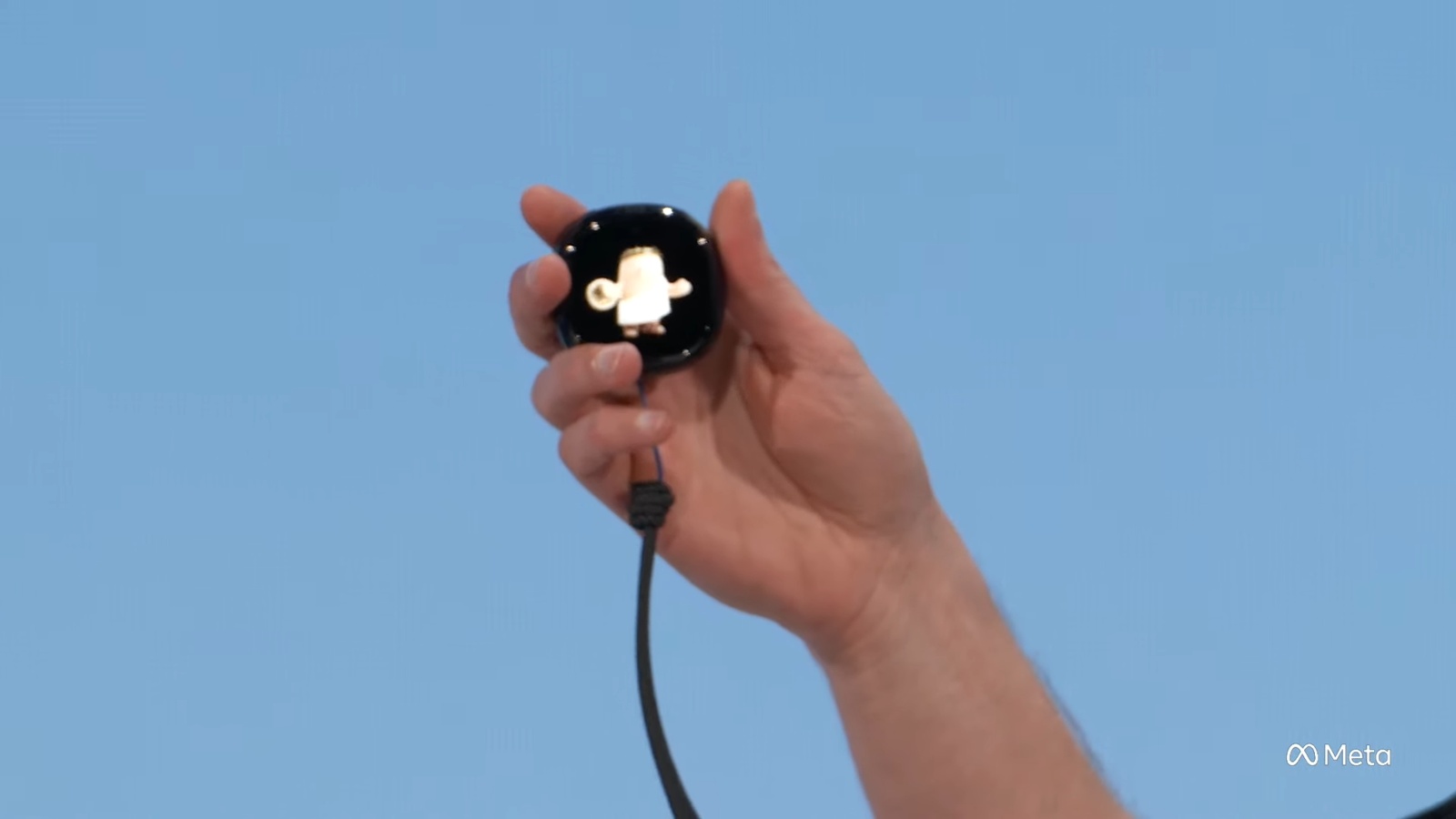 Photo: Meta
Meta says the catalog should pass 100 glasses options by the end of 2026, across Ray-Ban, Oakley, and Meta Glasses. Buyers still have to separate what ships this fall from what waits: Audio preorders are the near-term Ray-Ban, Gen 3 is the next camera pair, and the VR glasses are a 2027 product with a wired puck, not a phone-free visor.
 Photo: Meta
Sources: Meta, “Everything We Announced at Meta Connect 2026,” Sept. 23, 2026; Meta newsroom, “Introducing Ray-Ban Meta Audio and More AI Glasses Styles,” Sept. 23, 2026; TechCrunch, Sept. 23, 2026; The Verge hands-on, Sept. 23, 2026; WIRED, Sept. 23, 2026.