Business
Meta Plans to Raise Up to $95 Billion by Selling Stock to Pay for Its AI Buildout
The company launched $35 billion of share offerings on Monday and plans a $60 billion at-the-market program next year. Nvidia, AMD and Broadcom have signaled interest in buying up to $5 billion.
Menlo Park, Calif. · Elena Vos, Business · Oct 26 2026
MENLO PARK, Calif. - Meta said on Monday that it plans to raise as much as $95 billion by selling new stock, turning to shareholders to help pay for data centers and chips as it chases what the company calls personal superintelligence.
The plan has two parts, according to Meta’s announcement. First come about $35 billion of underwritten public offerings launched Monday: roughly $22.5 billion of Class A common stock, sold through forward sale agreements with Morgan Stanley and Goldman Sachs, and about $12.5 billion of depositary shares representing a new mandatory convertible preferred stock. Then, once trading begins in its previously announced Class C shares, Meta plans an at-the-market program to sell up to $60 billion of that stock over time, starting no earlier than the first quarter of 2027.
 Screenshot: @WSJ on X
Three of Meta’s biggest suppliers may take part. Nvidia, Advanced Micro Devices and Broadcom have indicated interest in buying up to a combined $5 billion of the common stock at the offering price, Meta said, though those indications are not binding. The preferred shares will automatically convert into common stock on or about Aug. 15, 2029, and Meta plans to list them on Nasdaq under the symbol METAM. Morgan Stanley and Goldman Sachs are the lead bookrunners. Meta shares rose 1.6 percent in premarket trading after the announcement, CNBC reported.
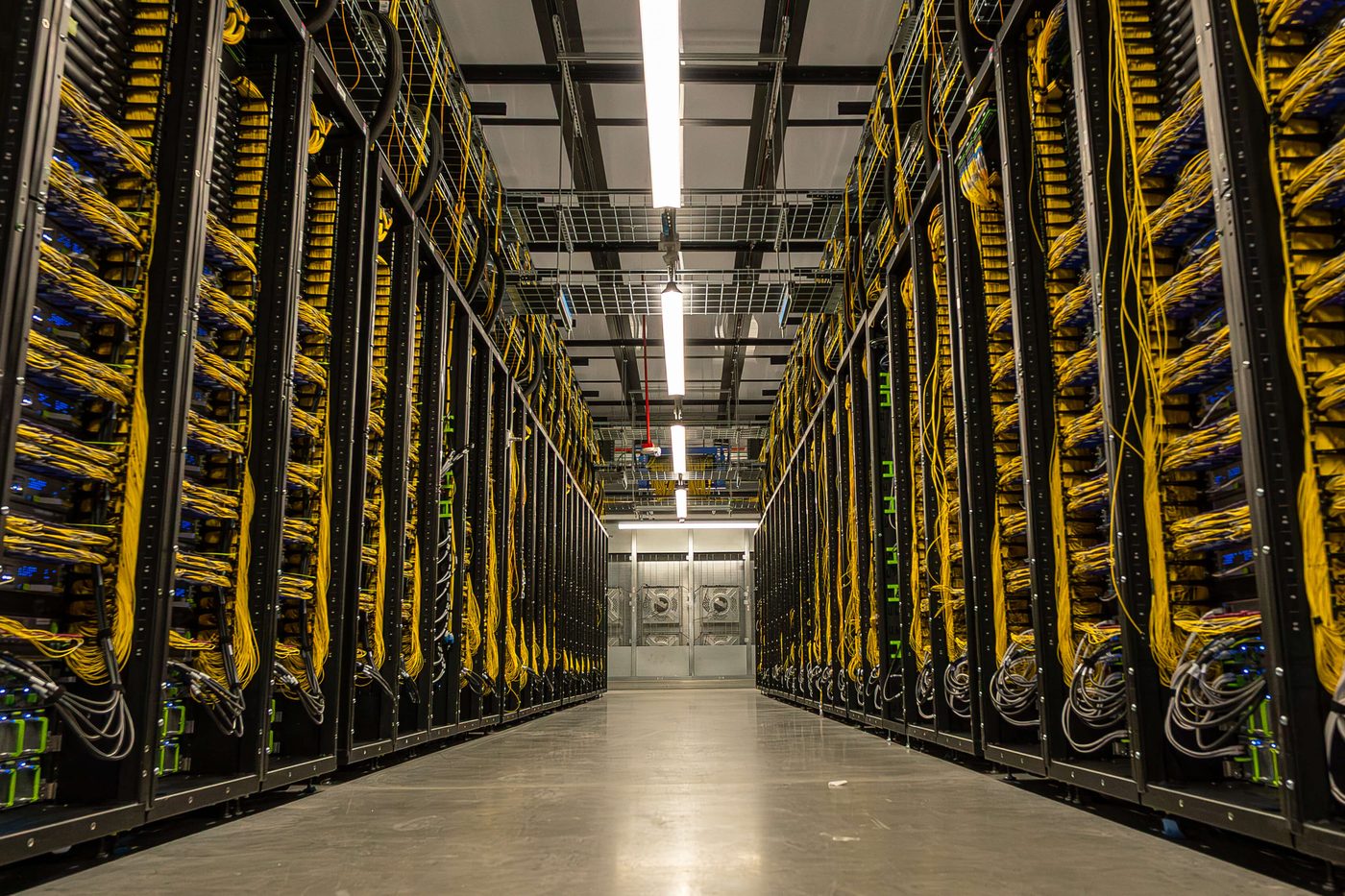
The money is for capacity. Meta expects capital spending of $135 billion to $145 billion this year. It owns data centers in 23 states, is building four superclusters of more than one gigawatt each and says it is on track to nearly double its total infrastructure capacity this year. The first phase of Prometheus, its supercluster in New Albany, Ohio, is complete and was used to train the company’s Muse models, Meta engineers wrote in a blog post last week. The goal is to scale it to about one million GPUs.
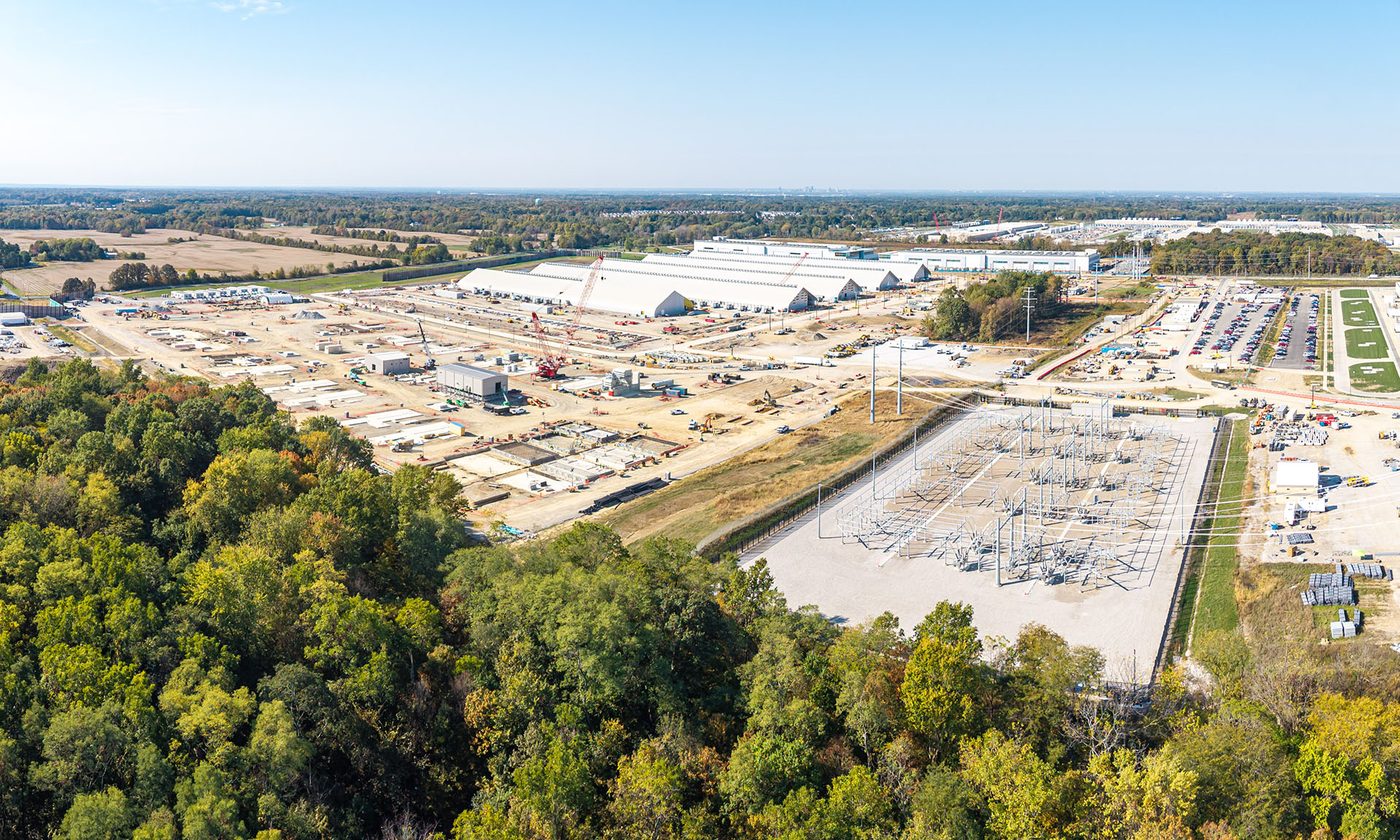 Image: Meta
Meta framed the stock sale as one source of funding among several. It generated $97 billion of operating cash flow in the first three quarters of the year and held about $82 billion in cash and marketable securities at the end of September, the company said, and its Aa3 and AA- credit ratings let it borrow cheaply. “The equity offerings and future ATM program announced today are a complementary source of capital and will further diversify Meta’s funding sources,” the announcement said.
 Screenshot: @business on X
The company also used the filing to make its case to investors. It said 3.64 billion people used at least one of its apps daily in September, that more than 10 million people in the United States and Canada signed up for its Muse agent in the first weeks after launch, and that more than 2 million businesses use its Business Agent each week. Third-quarter revenue was $64.6 billion, up 26 percent from a year earlier, with net income of $9.9 billion. When Meta reported those results last week, investors focused on negative free cash flow and the higher spending forecast, and the shares fell, CNBC said.
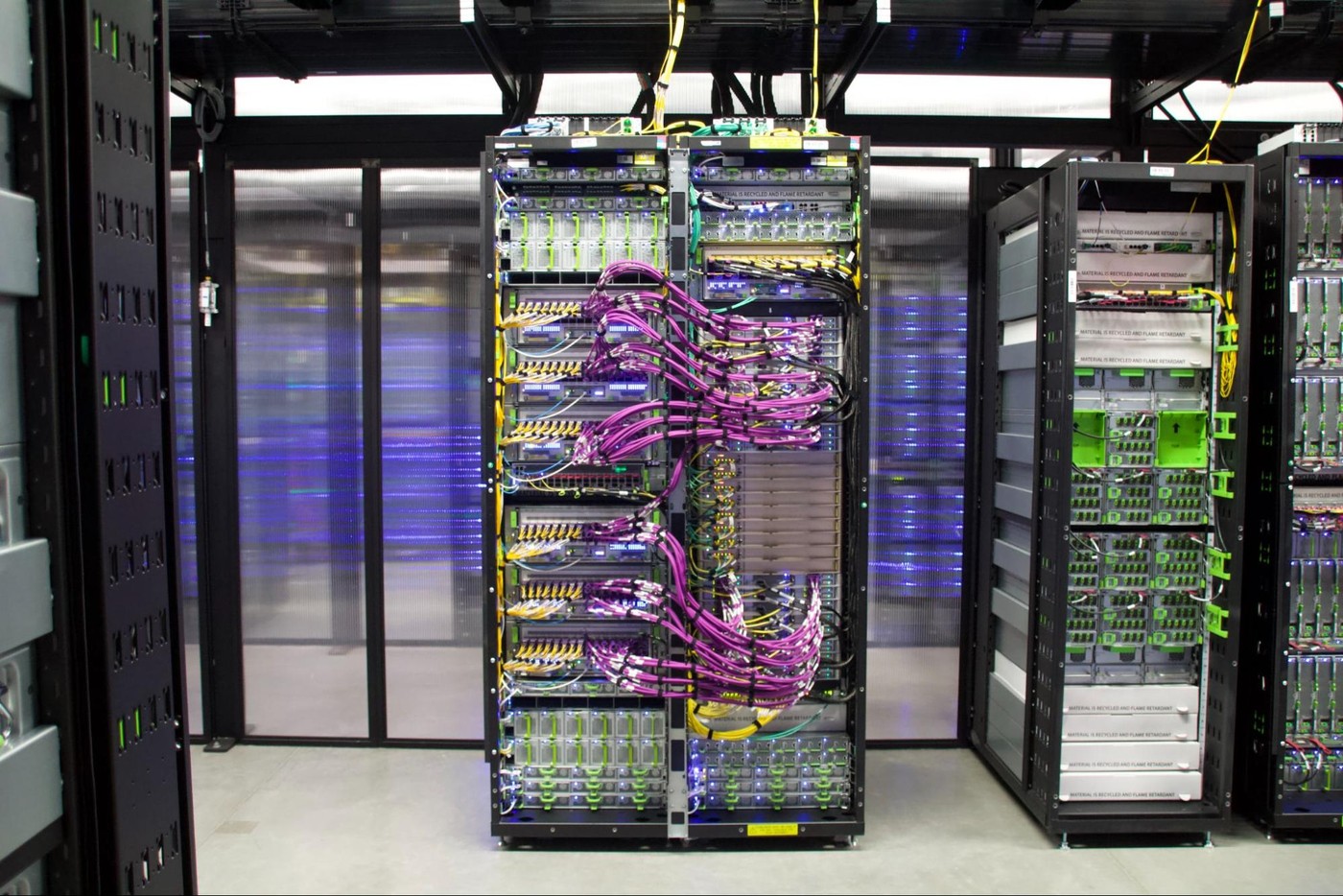 Image: Meta
Meta is not alone in going to the markets. “Meta offering more stock comes at a time when numerous companies, such as Google, SpaceX and soon, Anthropic, are going to the markets to raise funds,” Ben Wood, senior partner at CCS Insight, told CNBC. Musk said on Sunday that SpaceX had closed $40 billion in debt to buy GPUs. Goldman Sachs estimates that AI-related capital spending could reach about $7.6 trillion from 2026 through 2031, according to CNBC.