Opinion
Could Price Be the Only Reason the iPhone Duo Fails?
Sam Kohl argues the iPhone Duo will fail because it costs about $2,000. Price is the loudest objection. It is not the only one.
LOS ANGELES · Sam Kohl, Opinion · Sep 13 2026
LOS ANGELES - Sam Kohl, who covers Apple products and culture, put the argument in three blunt lines on Sunday: the iPhone Duo will fail because it costs about $2,000; almost no one will pay an $800 premium merely because a phone folds; and that premium could buy another smartphone outright.
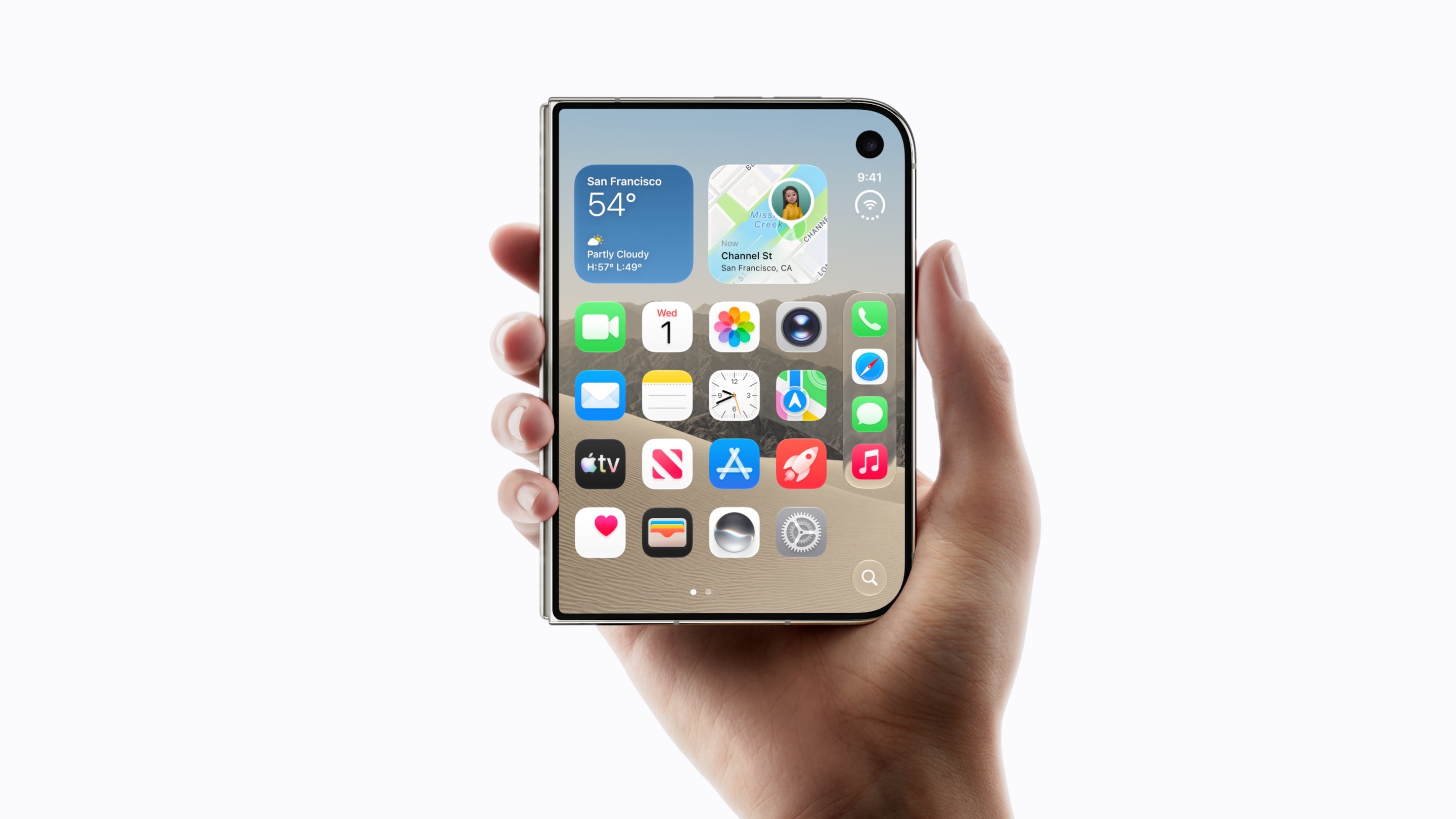
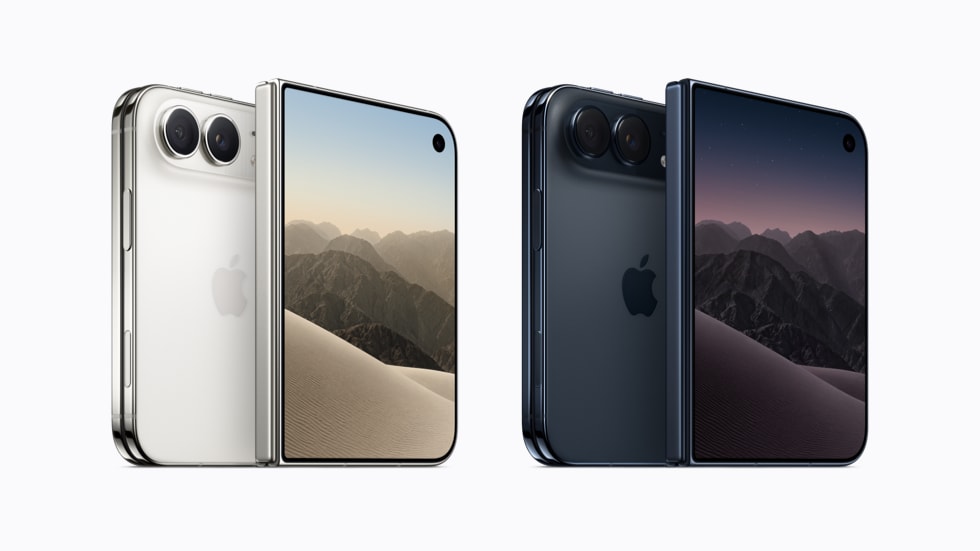
The arithmetic is not imaginary. Apple’s book-style foldable starts at $1,999 for 256GB of storage and climbs to $3,199 for 2TB, according to Apple’s pricing and MacRumors’ contemporaneous tally of the Sept. 9 event. The iPhone 18 Pro opens at $1,199 and reaches stores Friday, Sept. 18 - five weeks before Duo pre-orders convert into Oct. 23 deliveries. The sticker gap is roughly $800 before taxes, trade-ins or carrier deals. Kohl’s post, viewed hundreds of thousands of times by Sunday afternoon, crystallized a reaction already circulating on social media: sticker shock first, curiosity second.
But price as the only reason a product fails is a different claim - and a harder one to defend.
The foldable category itself remains small. Research firms tracking the market have repeatedly placed book-style phones at a low single-digit share of global smartphone shipments; IDC has projected foldables at under 3 percent of the market in 2026, with little expected change in 2027 even after Apple’s entry. A category that tiny can absorb a premium device and still look like a “failure” in volume terms while succeeding on Apple’s own metrics - average selling price, halo effect, developer attention for Split View. Kohl is arguing mass-market failure. Apple may never have been selling mass-market volume.
Positioning muddies the water further. Analysts quoted after the launch said Apple was vague about who Duo is for - work, play or a personal AI hub - compared with how clearly Steve Jobs once framed the iPad or how the Watch later found a health narrative. Carolina Milanesi of Creative Strategies told reporters Apple “really shied away” from defining the buyer. Neil Shah of Counterpoint Research called the positioning lapse obvious. Price may be the loudest objection; unclear purpose is quieter and may last longer once early adopters finish unboxing.
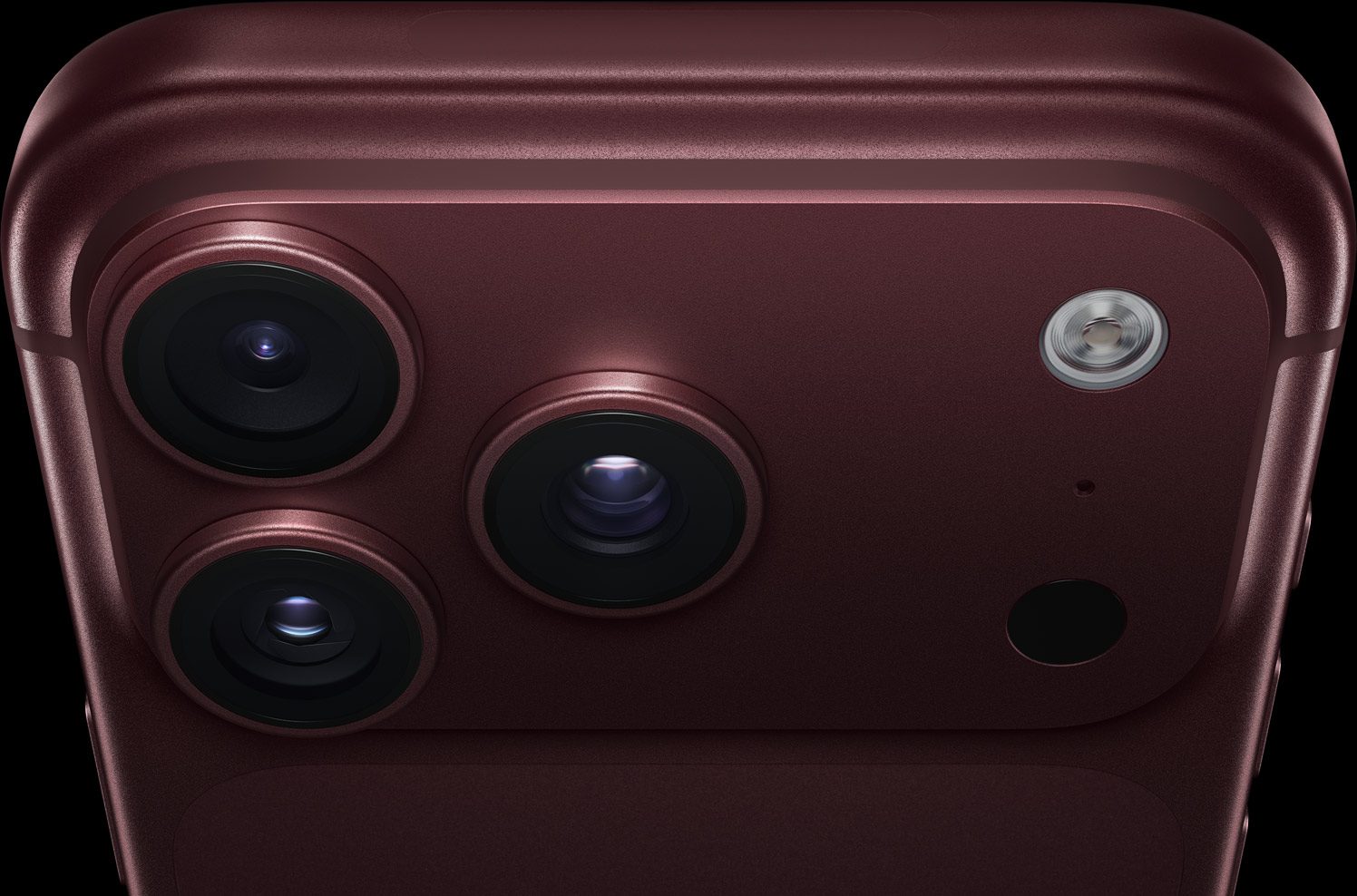
There is also what $800 doesn’t buy. Reporting on the Pro-versus-Duo choice has noted that the premium purchases a folding canvas and multitasking workspace, not Apple’s most advanced camera stack - which sits on the Pro models shipping earlier. Buyers who want Face ID familiarity, lighter single-slab hardware and Friday availability already have a path that does not require waiting for October. That is not only a price objection; it is a product-comparison objection.
Durability and crease anxiety - the soft factors that have dogged Android foldables for years - will be tested in reviews and returns, not in Kohl’s Sunday post. So will software: whether iOS 26’s two-screen design makes Duo feel like a finished instrument or an expensive demo. Those questions are not priced at $1,999; they are answered after people live with the hinge.
Apple has already sold the counter-story. John Ternus, presenting as chief executive, has framed Duo as a complex, carefully engineered product whose value follows from what it does, not from matching Pro pricing. That language will not move Kohl’s “almost no one.” It may move enough buyers for Apple to call the launch a success while the broader foldable market stays a niche.
Kohl is right that price is the simplest reason Duo could stall - and the one most people understand without a teardown. He is less persuasive that it is the only reason. Category size, muddy positioning, a five-week wait behind a cheaper Pro, and the unproven hinge-and-software experience are co-conspirators. If Duo underwhelms, the postmortem will probably list price first. It should not stop there.