Did You Know
Did You Know: Your Sonicare Brush Head Has a Chip That Counts Every Second of Brushing, and Adds Extra Time When You Press Too Hard
A battery-free NFC chip under a small brown dot logs how long each Philips Sonicare head has been used. One maker's tests show that hard brushing adds more time than the clock, which brings the replacement light on sooner.
SAN FRANCISCO · Maya Chen, Did You Know · Nov 4 2026
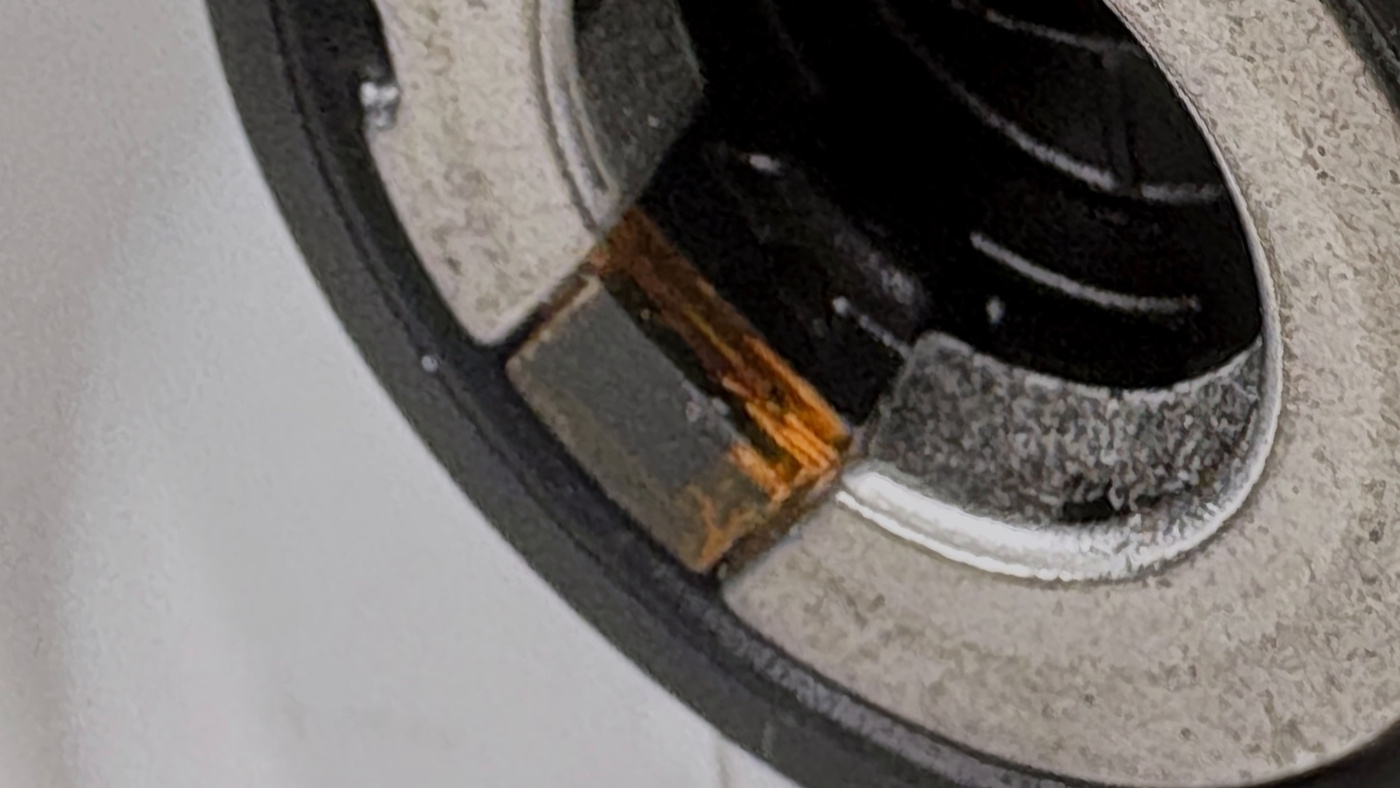
SAN FRANCISCO - Did you know that the snap-on head of a Philips Sonicare electric toothbrush keeps a log? Under a small brown dot near its base sits an NFC chip with its own antenna coil. It has no battery and wakes only when the handle’s 13.56 MHz field powers it, and it records how long that head has spent brushing, down to the second. In a video posted on Oct. 31, the YouTuber Circuit Helper read one with a homemade reader and found it also stores the intensity setting, the brush type, a manufacturer’s code, a unique ID and a web link. “That’s quite a lot of information,” he said.
Philips does not hide the chip. A Sonicare user manual says its BrushSync technology “enables your brush head to communicate with your handle using a microchip,” and that the handle tracks wear “based on the pressure you apply and the total time the brush head has been used.” What the manual does not spell out is how pressure turns into wear. Circuit Helper’s tests suggest the answer is extra time.
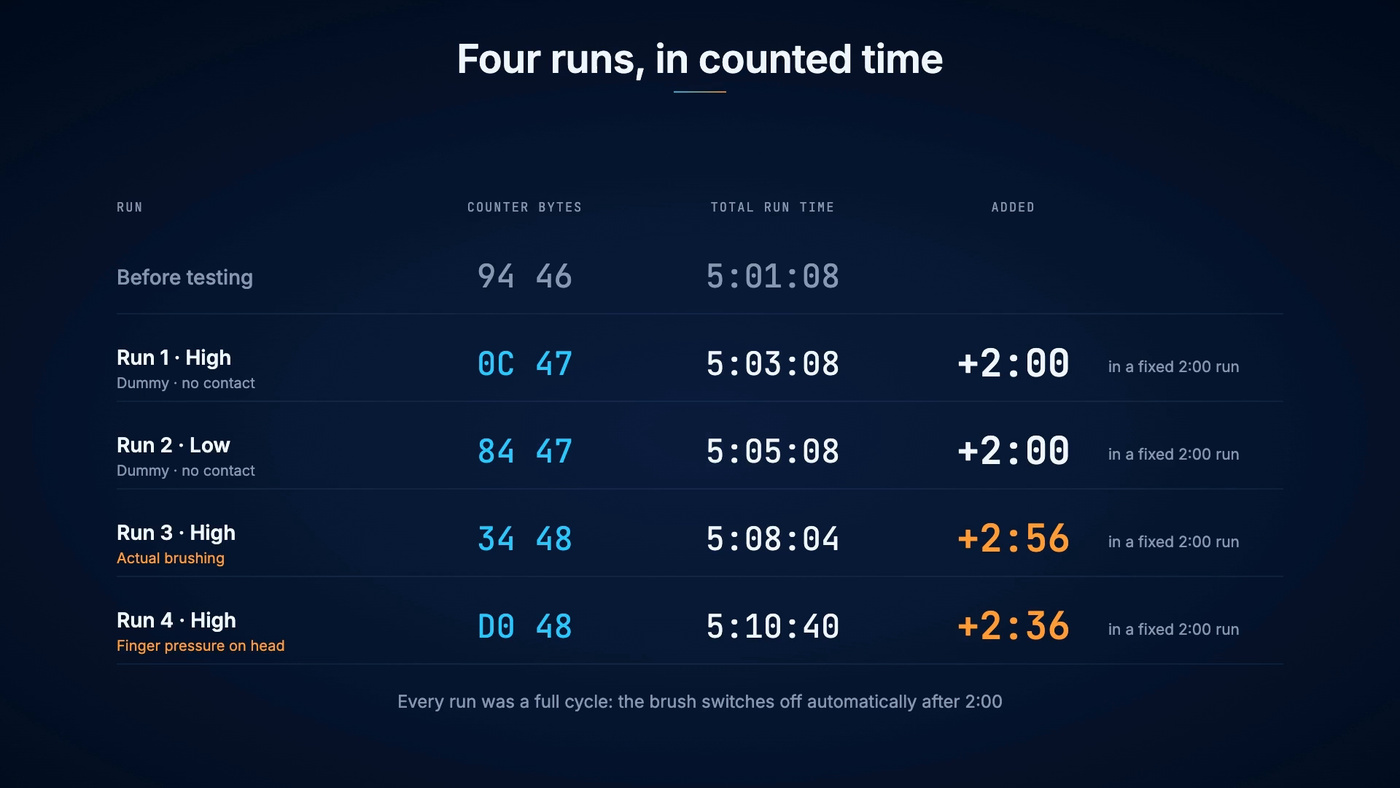 Image: Circuit Helper via YouTube
He started with a well-used head that had logged five hours, one minute and eight seconds. Two dummy runs, one on high and one on low with the bristles touching nothing, each added exactly two minutes. Then he brushed his teeth for a normal two-minute cycle, and the counter jumped by two minutes and 56 seconds. A fourth run, with a finger pressing on the head, added two minutes and 36 seconds. The brush switches itself off after two minutes every time. “It seems the toothbrush actually applies a multiplier depending on how much force or pressure you press on your teeth,” he said.
The finish line is fixed. Cyrill Künzi, an electrical engineer in Switzerland who took apart his own brush heads in 2023, found that the handle blinks its replacement light once the stored time passes 21,600 seconds. That is six hours, or 180 two-minute sessions, which he noted is three months of brushing twice a day, “exactly in line with Philips recommendation to change heads every 3 months.” Circuit Helper’s head had used 83.65% of that allowance before his test began. A heavy hand simply gets there sooner.
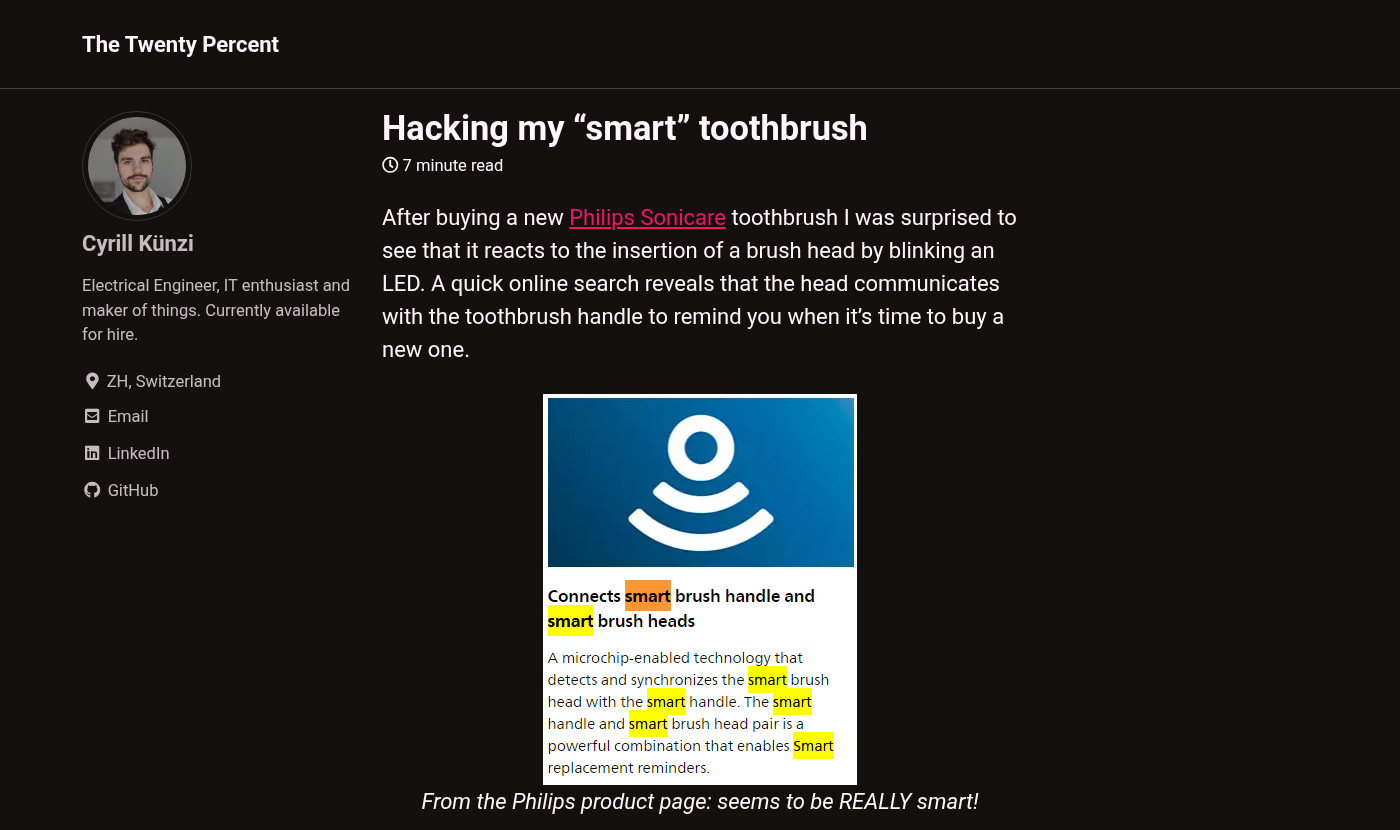 Screenshot: kuenzi.dev
The counter is guarded, though not very well. Künzi identified the chip as an NTAG213 tag whose time field can be rewritten only with a password, and every head has its own. He then discovered that the handle sends that password “over plain text,” and he caught it with a HackRF software-defined radio. The tag is also set to permanently disable writing after three wrong password attempts, which he learned by locking himself out of a head: “not even the toothbrush handle itself can write to this head again.” Soon after, the hardware hacker Aaron Christophel, who posts as atc1441, dug the formula out of the toothbrush firmware. It is “a very simple CRC Calculation over the NFC Tag UID and the Manufacturing String that is in NFC Tag and also printed on the Brush Head,” he wrote on X in June 2023, and he published the code as a GitHub gist.
Circuit Helper used that open source work to rewrite his old head to 10,800 seconds, or three hours and 50% remaining. He was unconvinced of the value. “Not sure what’s the point in doing that though because it doesn’t make the brush any younger looking,” he said.
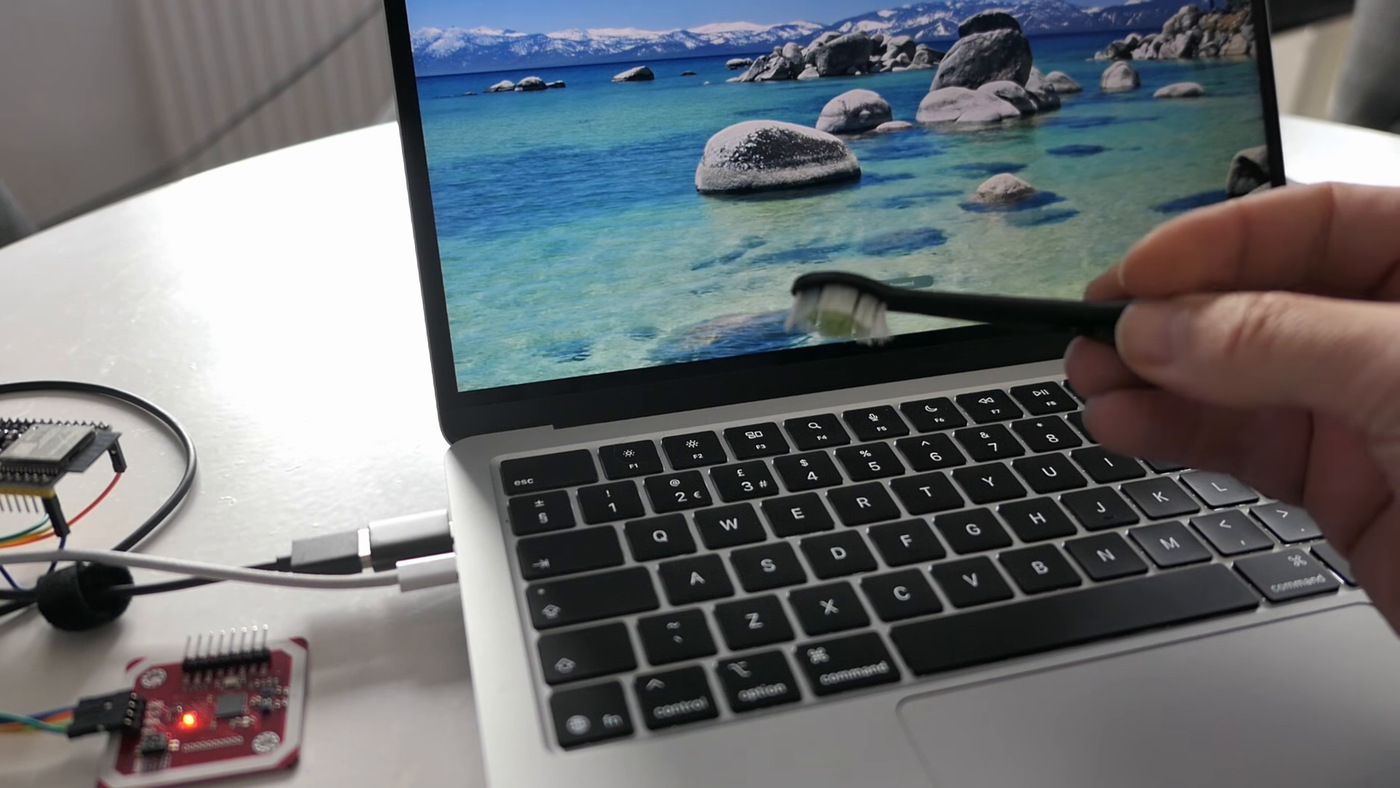 Image: Circuit Helper via YouTube
So he gave the head a second job. He set it up as an NFC key for his MacBook, and held a new head to the reader for comparison. Nothing happened. “Only this horrible old brush can unlock that computer,” he said. He then pried the metal collar off the base and lifted out the gold antenna ring with the chip attached, which he said would still unlock the laptop. CircuitDigest, which wrote up the project on Nov. 4, cautioned that simple NFC tags “can often be copied or cloned, so treat it as a fun convenience, not real security.”
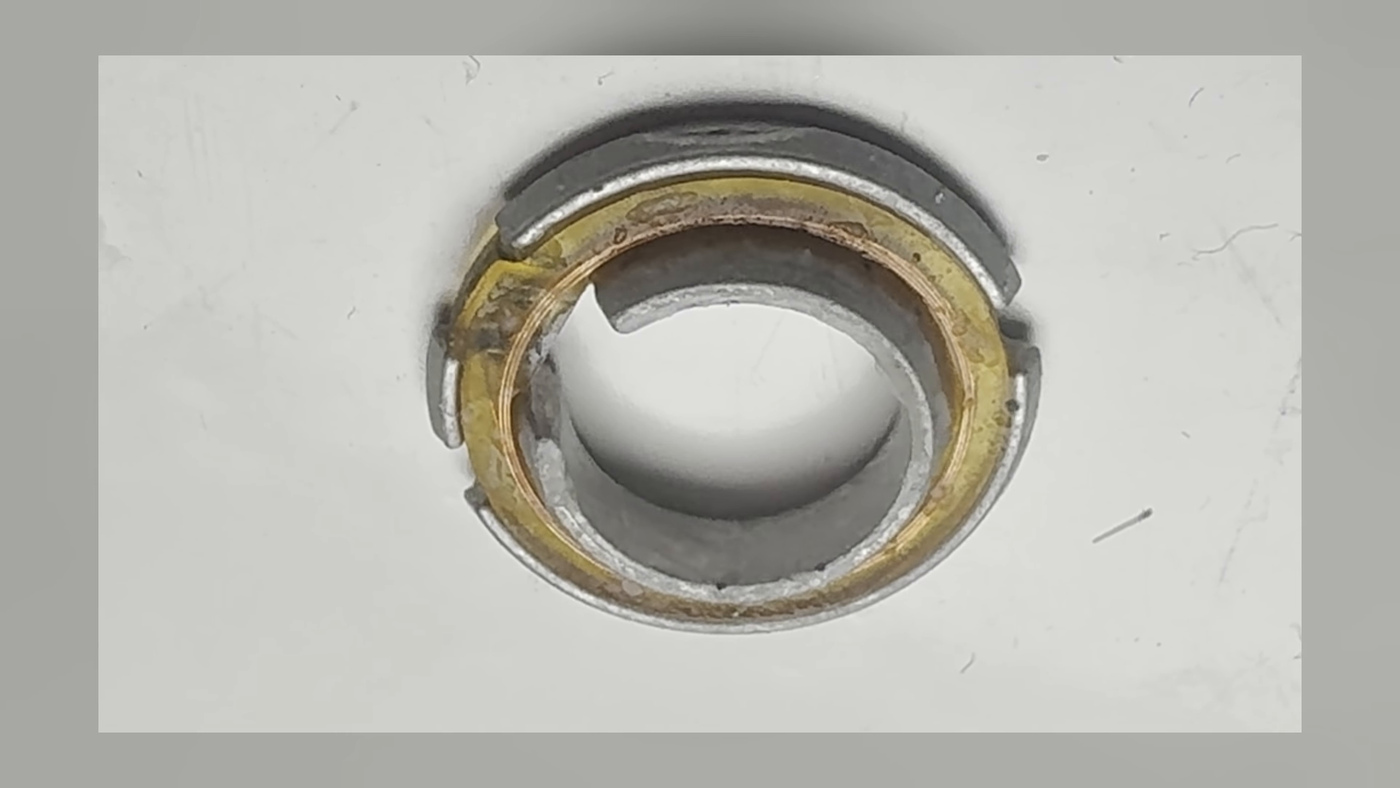 Image: Circuit Helper via YouTube
Hackster.io noted that Philips has been putting these chips in Sonicare heads for years. Circuit Helper came away impressed anyway. “Quite a sophisticated bit of technology just in a toothbrush,” he said. If the amber light comes on early, the chip may simply be saying you are pressing too hard.