Did You Know
Did You Know: There Is Now a Health Tracker Whose 2.4-Gram Sensor Moves From Your Wrist to Your Finger at Bedtime
Alloop's Trio is built around one removable sensor, the Cube, that clicks into a wristband by day and a ring by night. The company says no subscription is required, and it goes to Kickstarter on Nov. 10 at $299.
NEW YORK · Maya Chen, Did You Know · Oct 26 2026
NEW YORK - Did you know you no longer have to choose between a fitness band and a smart ring? A new health tracker called the Alloop Trio puts all of its sensing in one removable module, the Cube, which weighs 2.4 grams. During the day it clips into a nylon wristband. At night it slides out and snaps into a ring, which the company says is the most compact way to wear it and the one meant for sleep.
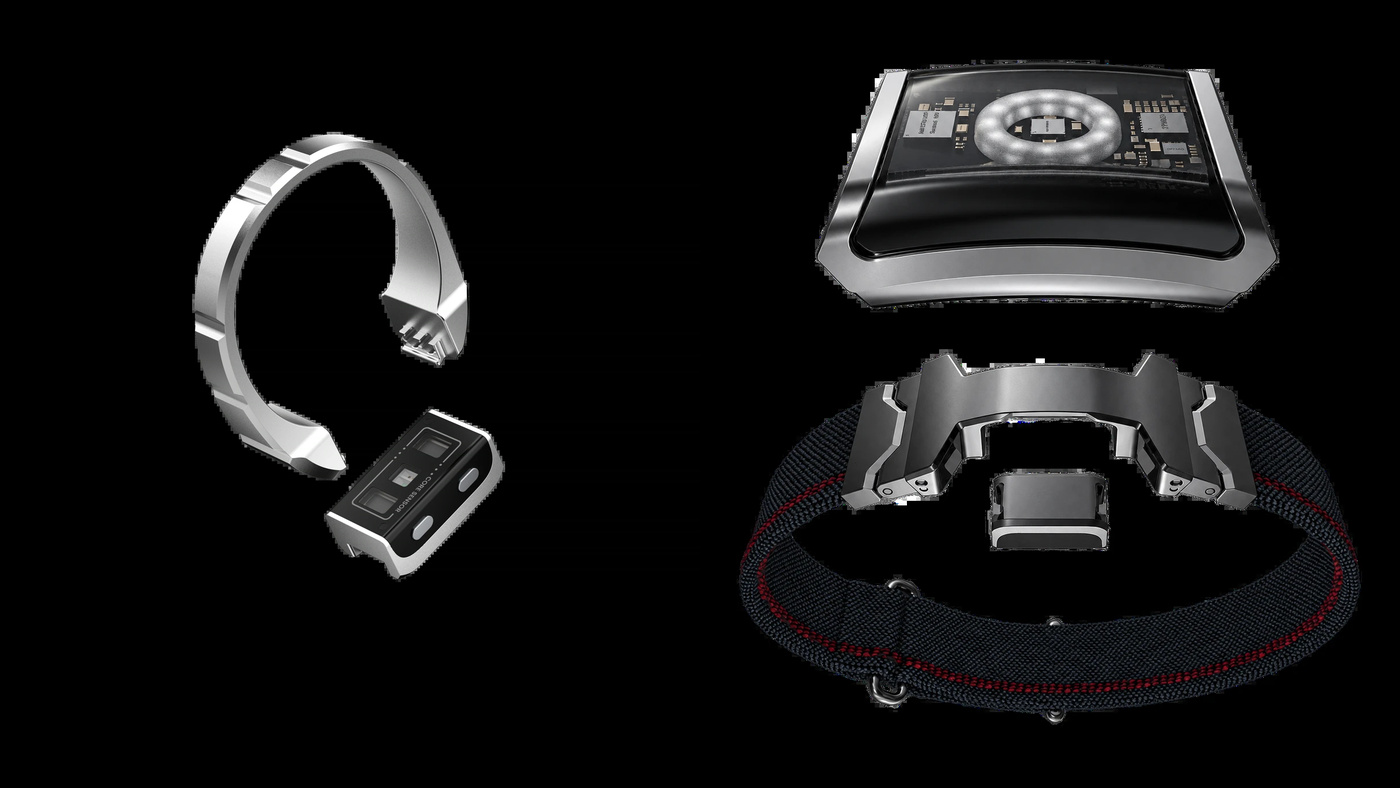 Image: Alloop
Alloop, a new health technology company, announced the Trio last week and showed it at a launch event in New York. Its founder and chief executive, Dr. Tony Wu, is the co-founder and former chief executive of the smart ring maker RingConn, according to Gadgets & Wearables. That site, which tracks the category closely, noted that none of the devices in its own screenless fitness tracker comparison lets you move the same sensing core from a wristband into a ring.
The idea answers an old argument among people who track their sleep. Rings are comfortable in bed and easy to forget about, but they get in the way during weight training, racket sports or work with your hands. Bands are better for exercise and worse for sleep. The Trio’s answer is to keep the sensor and change the jewelry around it.
The Cube reads the pulse with photoplethysmography, or PPG, which shines light into the skin and measures how it changes with each heartbeat. From that, the Trio tracks resting heart rate, heart rate variability, blood oxygen, breathing rate and temperature, and the app turns those readings into sleep, recovery and strain scores. Alloop rates the Cube to 5 ATM, or 50 meters, of water resistance, and its website calls the Cube “the smallest sensing module in its class.”
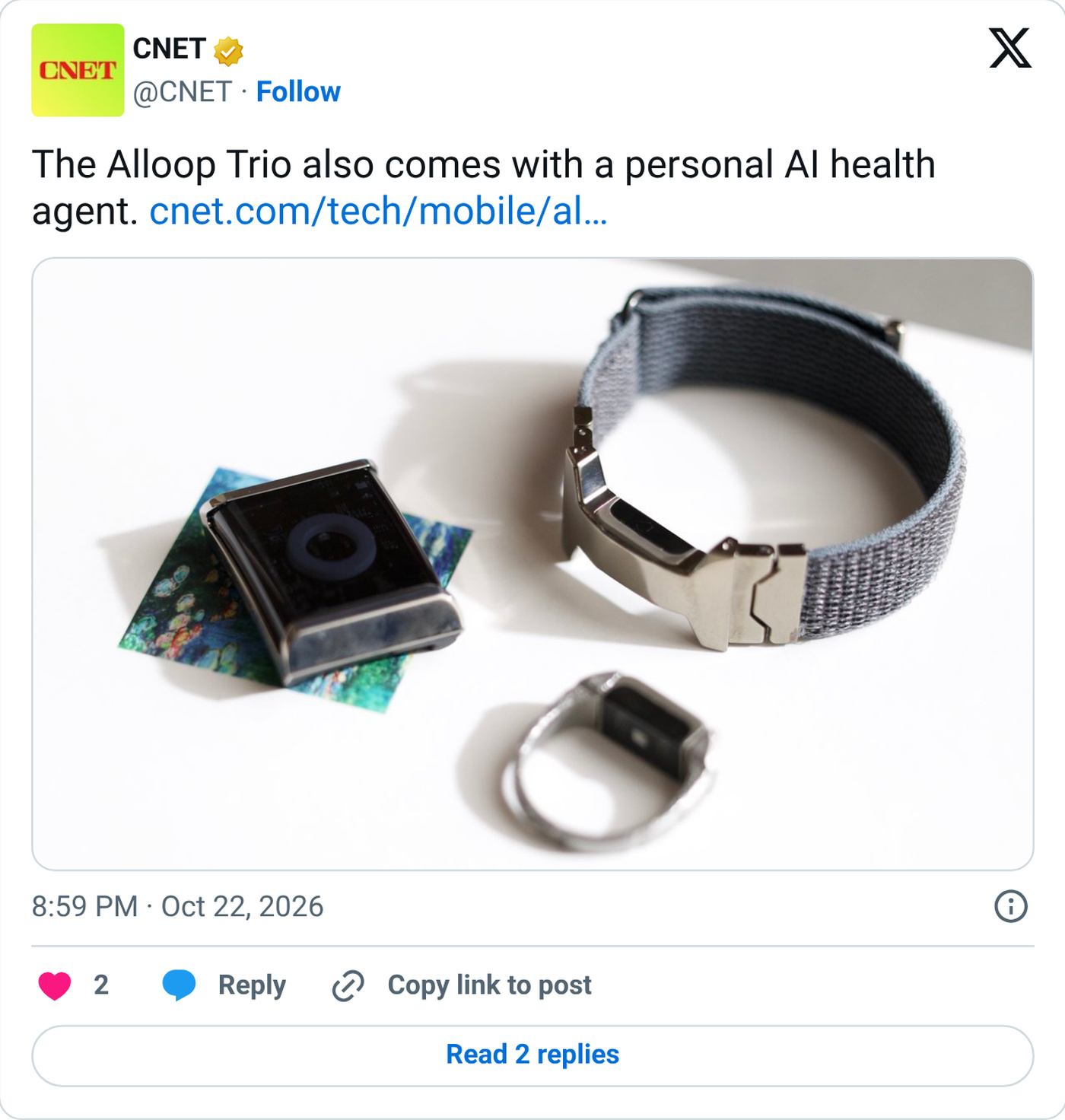 Screenshot: @CNET on X
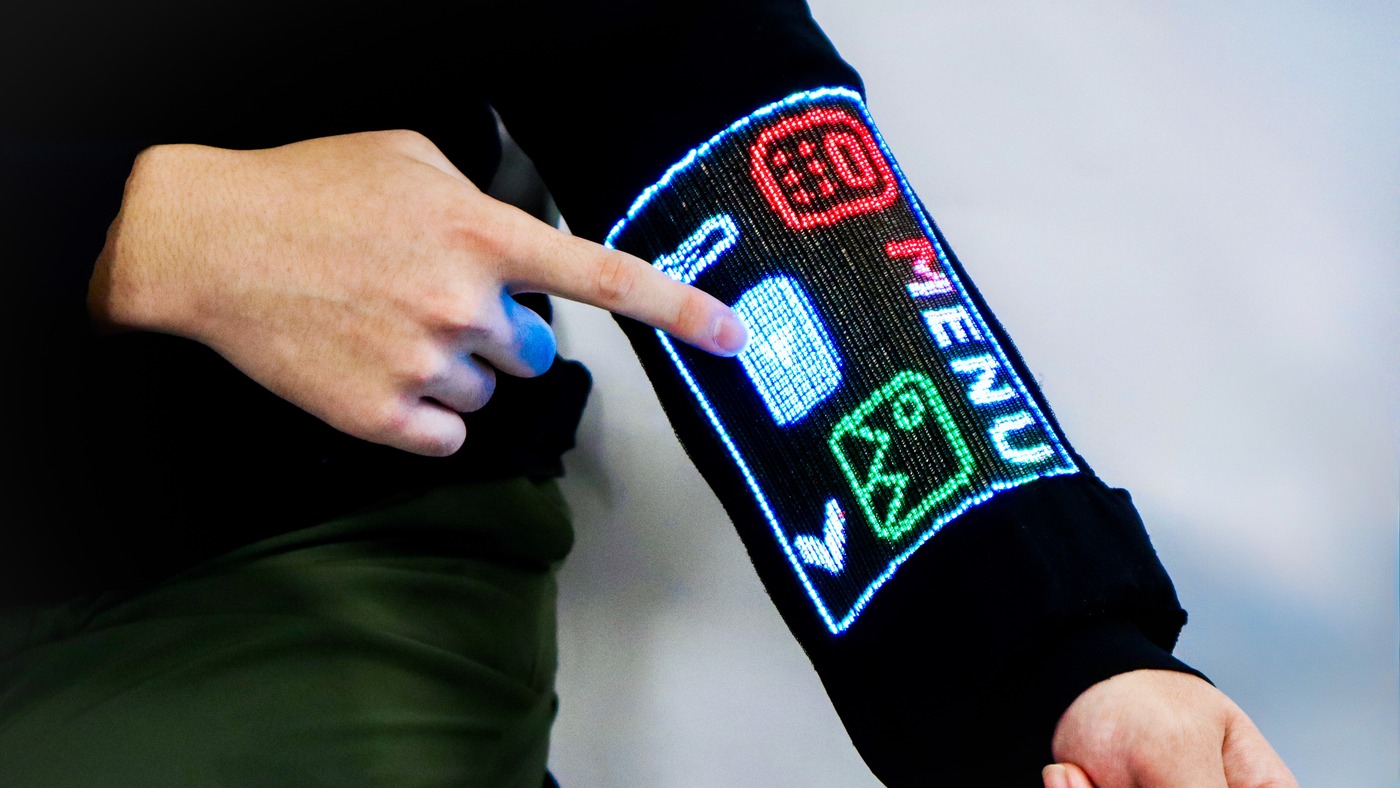
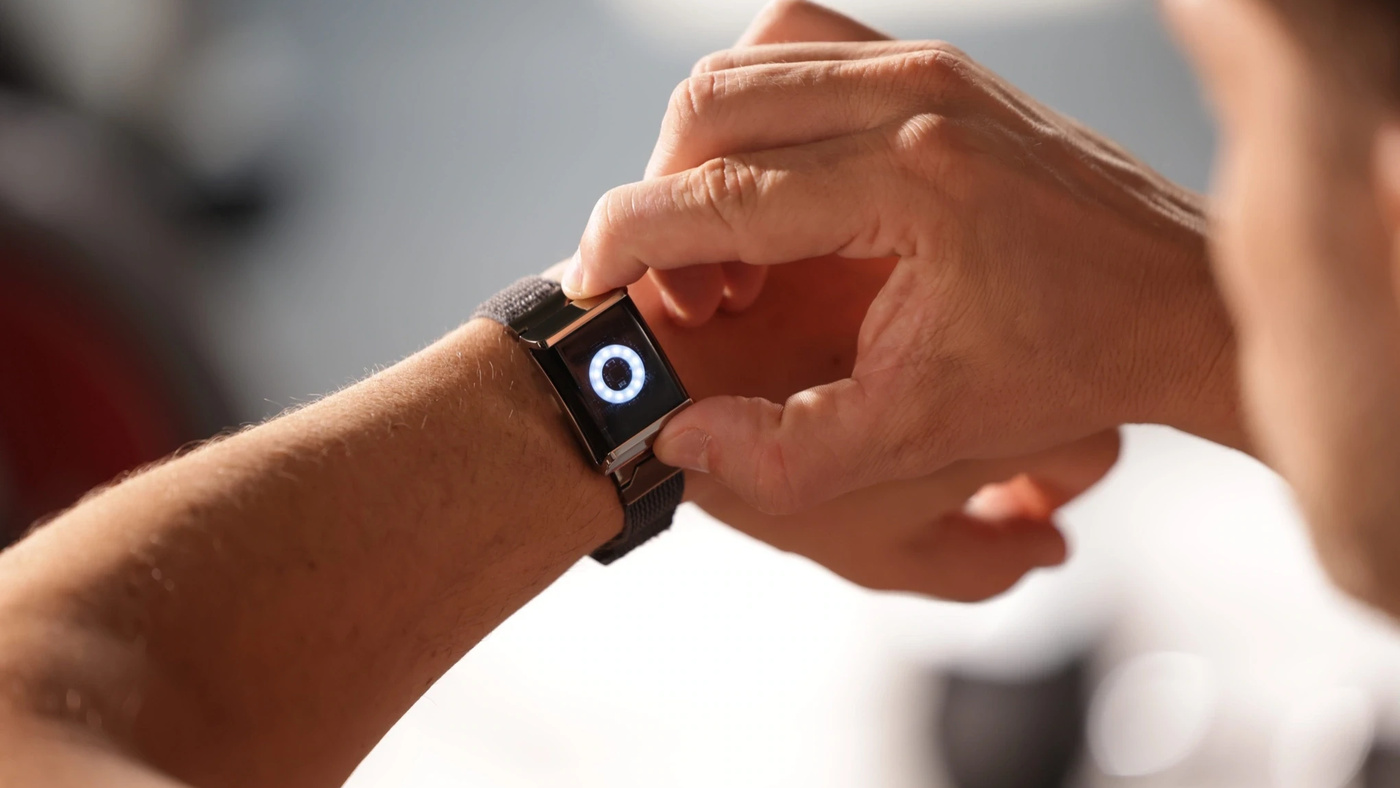
There are three ways to wear it. The wristband can carry the Cube alone, for a lighter and more discreet tracker. It can carry the Cube alongside a second module called Halo, which adds battery capacity, vibration alerts and colored light patterns that stand in for a screen. Or the Cube can go into the ring. Techlicious, which attended the launch, reported that Alloop puts battery life at about three to seven days depending on the configuration, and that Halo carries its own IP68 rating.
Halo is also where the voice comes in. Tap it and speak, and you can tell the Trio things a sensor cannot detect: what you ate, how many coffees you had, whether you have a headache or how a workout felt. Those notes go into a journal that Alloop’s AI health agent reads alongside the sensor data. An Alloop spokesperson told CNET that the agent uses Google’s Gemini and OpenAI’s ChatGPT.
 Image: Alloop
Dr. Wu told Techlicious the project grew out of a question he kept hearing at RingConn. “If I know my sleep score, what should I do next? How can I get a closed loop?” he said. As Techlicious put it, that question is the “loop” in Alloop’s name.
The box is designed around the same idea of switching. According to Techlicious, the kit includes the Halo, the band and three rings in a size range (small covers sizes 6 to 8, medium 9 to 11 and large 12 to 14), so the wearer can move up or down a size if their fingers swell at night. Alloop also told Techlicious it intends to release selected hardware and ring design files so outside designers can build their own versions.
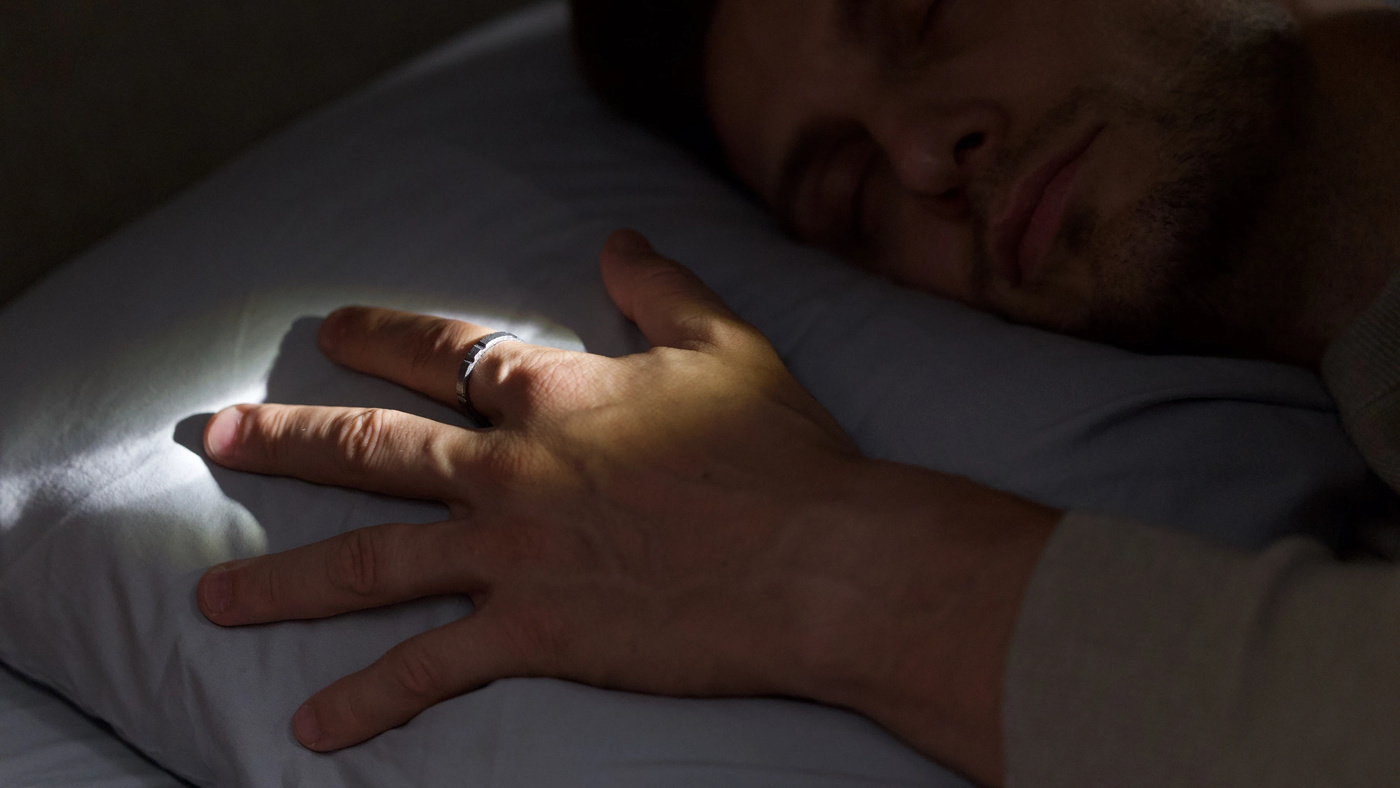 Image: Alloop
The app runs on iOS and Android, pulls in data from Apple Health and Google Health, and does not require a subscription. CNET reported that an optional Pro plan will cost about $5 a month. The Trio goes to Kickstarter on Nov. 10 at a planned price of $299, which Alloop says may still change, with shipping estimated for late December 2026 to early January 2027.
It is a crowdfunded first product, and the usual caution applies. Nobody outside the company has yet published independent tests of the Cube’s accuracy, its battery life or how firmly the parts lock together. But the central trick is simple and easy to understand: one 2.4-gram sensor, two places to wear it, and the night shift goes to the ring.