Gadgets
Xreal Prices Its Android XR Aura Glasses at $1,279 and Opens Preorders
The see-through glasses, built with Google and Qualcomm, undercut Meta's new VR Glasses by $20, but only buyers who already paid a reservation deposit can order them today.
Sunnyvale · Maya Chen, Gadgets · Oct 7 2026
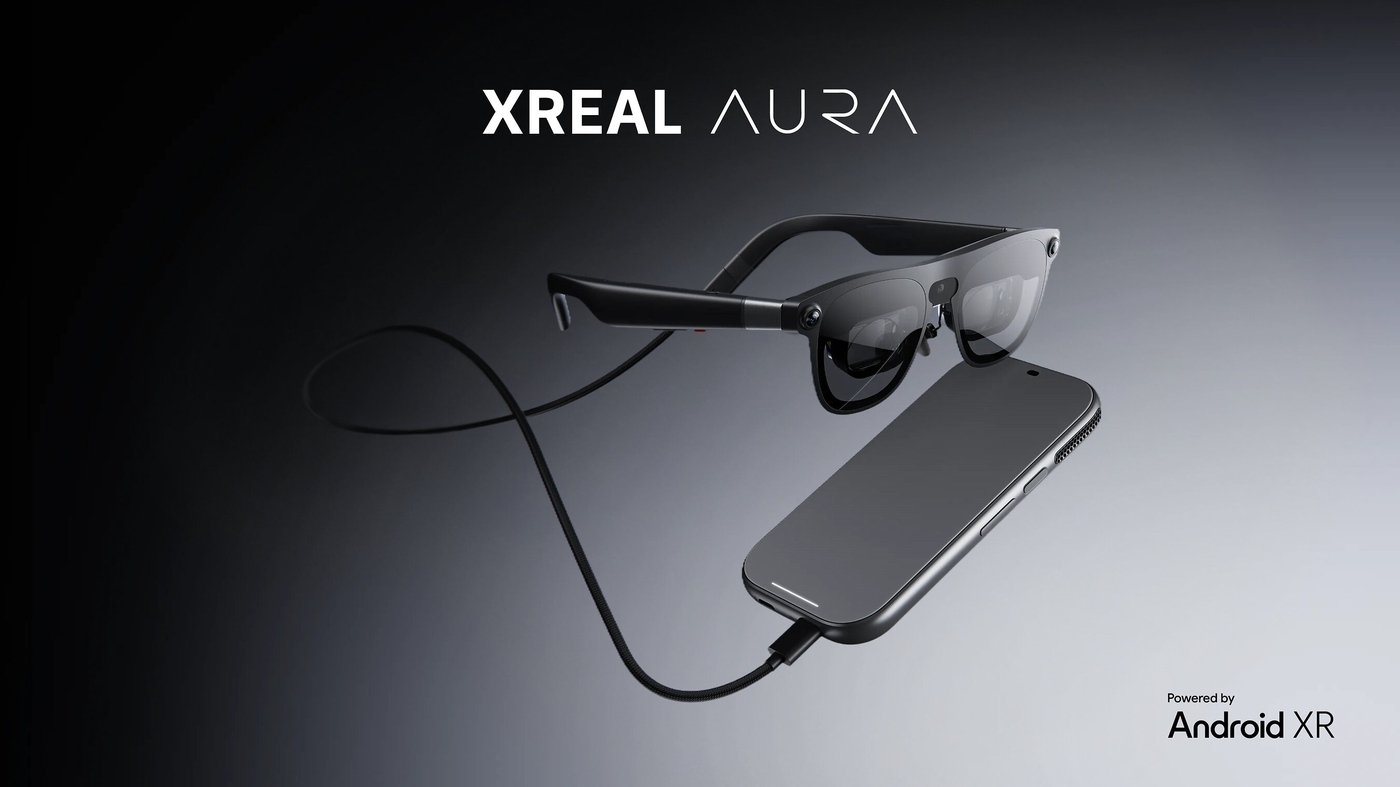
SUNNYVALE, Calif. - Xreal said on Wednesday that its Aura glasses, which The Verge describes as the first transparent Android XR glasses, will start at $1,279, and it opened preorders to customers who had already paid a reservation deposit. The base model pairs the glasses with a compute puck that has 12 gigabytes of memory and 256 gigabytes of storage. A version with 16 gigabytes of memory and 512 gigabytes of storage costs $1,499.
Orders will open to the general public “in the coming weeks,” the company said. Until then, new customers can place a deposit on Xreal’s website for priority delivery. Xreal said only people who reserved Aura before Oct. 7 can complete a purchase now, which it attributed to high demand.
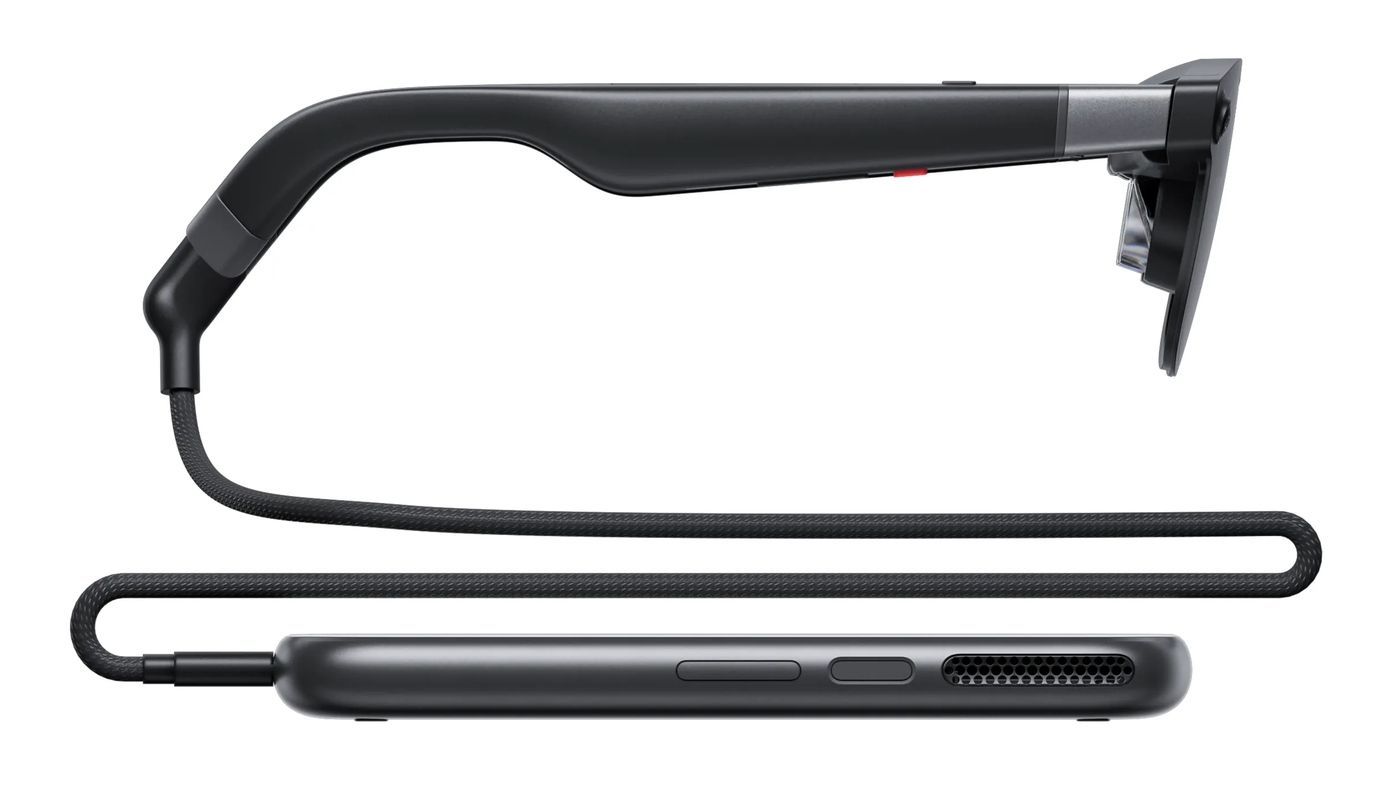 Image: Xreal
Aura was developed with Google and Qualcomm. It combines Xreal’s optics with Android XR, Google’s Gemini assistant and Qualcomm’s Snapdragon Reality Elite chip. The design splits the work. The glasses themselves weigh less than 95 grams, according to Xreal, because the processor and battery live in a tethered puck that runs Android XR with the Google Play store. The puck also works as a trackpad and clips to a pocket or a lanyard. The glasses add hand tracking, speakers tuned by Bose and a 70-degree field of view.
“Spatial computing is entering a new phase,” Chi Xu, Xreal’s co-founder and chief executive, said in a statement. He said buyers would be able to try it this year.
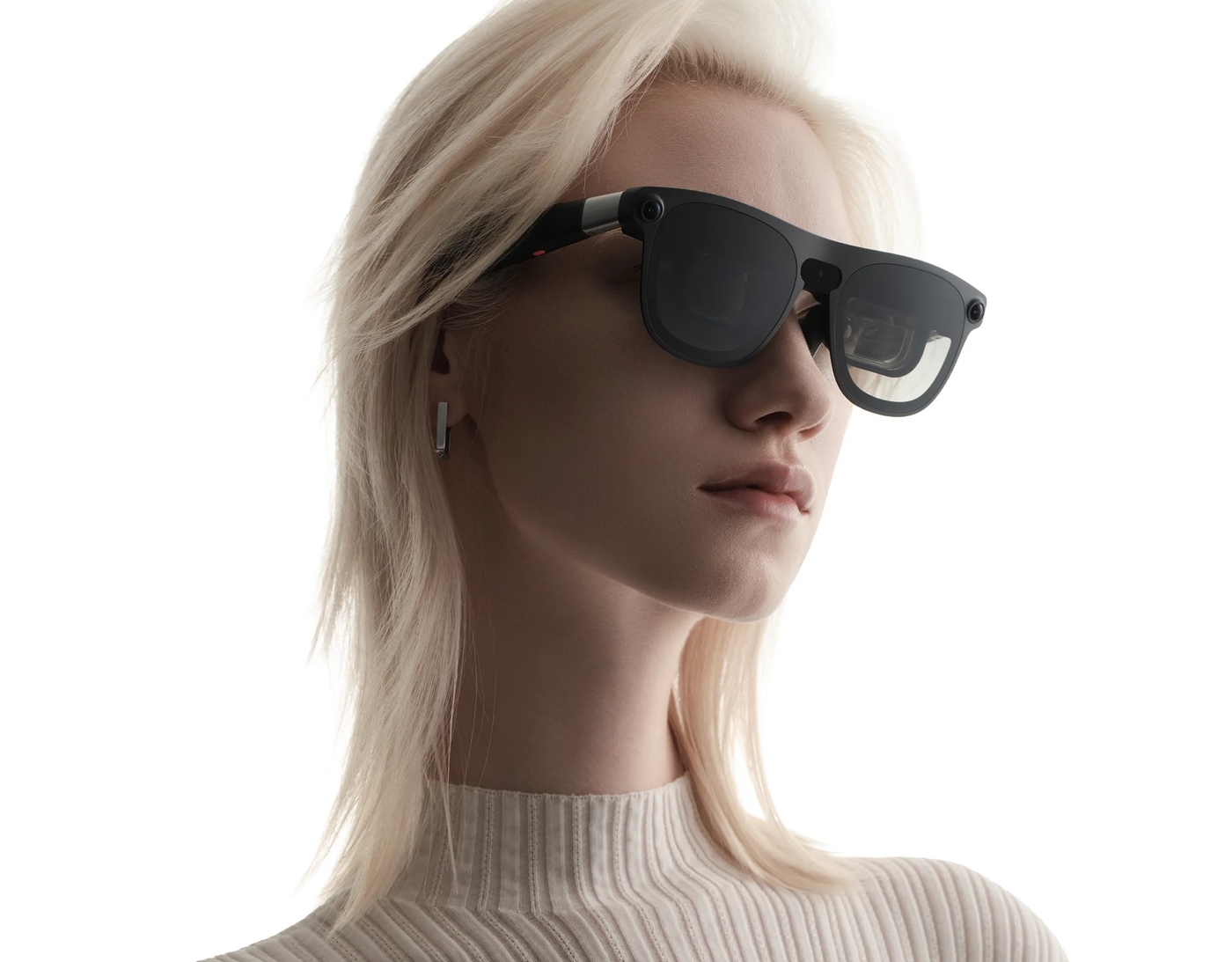 Photo: Xreal
The price puts Aura directly against Meta. The Verge reported that Aura costs $20 less than Meta’s VR Glasses, which journalists tried alongside Aura in the San Francisco Bay Area two weeks ago. Both are corded designs that move the chip and battery into a puck and greet the wearer with a grid of floating apps. The difference is how you see the room. Aura has transparent lenses, while Meta’s glasses show the outside world through cameras, a technique called passthrough, and add eye tracking. Meta’s glasses are not due until spring 2027.
*Video: Android Developers on YouTube, "Android XR on XREAL's Project Aura"* Image: Xreal
Early supply will be tight. Only the first 2,000 Founder’s Edition pairs are certain to arrive at launch, and those will ship this year, Mr. Xu told The Verge. Xreal says Aura will begin shipping “soon” in the United States, Canada, Japan and South Korea, with more markets in 2027. In Canada the two models cost C$1,829 and C$2,149. In Japan they cost 229,800 yen and 269,800 yen, and in South Korea 1,990,000 won and 2,290,000 won. The glasses come in two frame sizes, M and L.
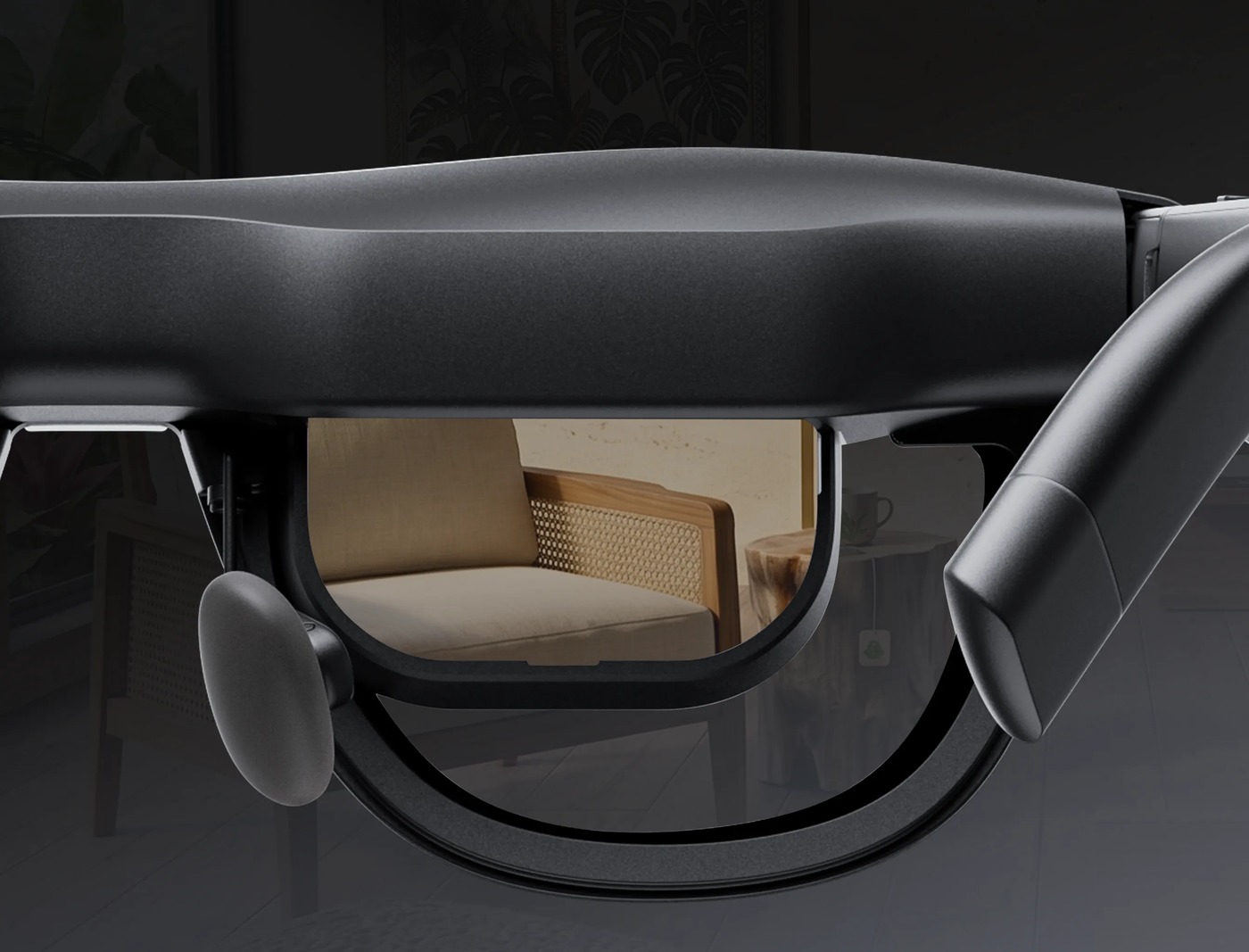 Image: Xreal
Xreal formally unveiled Aura, previously known as Project Aura, on June 16 and gave it its first public demos that week at the Augmented World Expo in Long Beach, Calif. At the time it opened $99 reservations, and its product page promised a final base price of no more than $1,500 before tax. The company said on Wednesday that more details will come in the weeks before launch. Android XR itself reached buyers last year on Samsung’s $1,799 Galaxy XR headset, The Verge noted.