AI
World Labs Opens Atlas to Everyone, Turning a Few Photos Into a 3D World You Can Walk Through
Fei-Fei Li's startup ended early access for its newest world model. Anyone can now feed Atlas photos or a rough block layout and come away with video, Gaussian splats or real meshes for Blender.
San Francisco · Jordan Hale, AI · Nov 13 2026
SAN FRANCISCO - World Labs, the spatial AI startup co-founded by Fei-Fei Li, opened its Atlas world model to everyone on Thursday. Until now Atlas had been limited to early access. “We’re opening up access to Atlas to everyone today,” the company wrote on X, adding that people can “bring your ideas for building a 3D world and come away with keyframes, video clips, or 3D Gaussian splats.”
Screenshot: @theworldlabs on X
Atlas is not a video generator in the usual sense. World Labs introduced it on Sept. 1 as an “omni model” pretrained from scratch on text, images, video and 3D. It places every input image at a position in space, then generates new views that stay consistent with everything it has seen. The company says it can produce up to one minute of video at 1440p with exact camera control, and that it typically gives faithful reconstructions of a real place from as few as two or three photos.
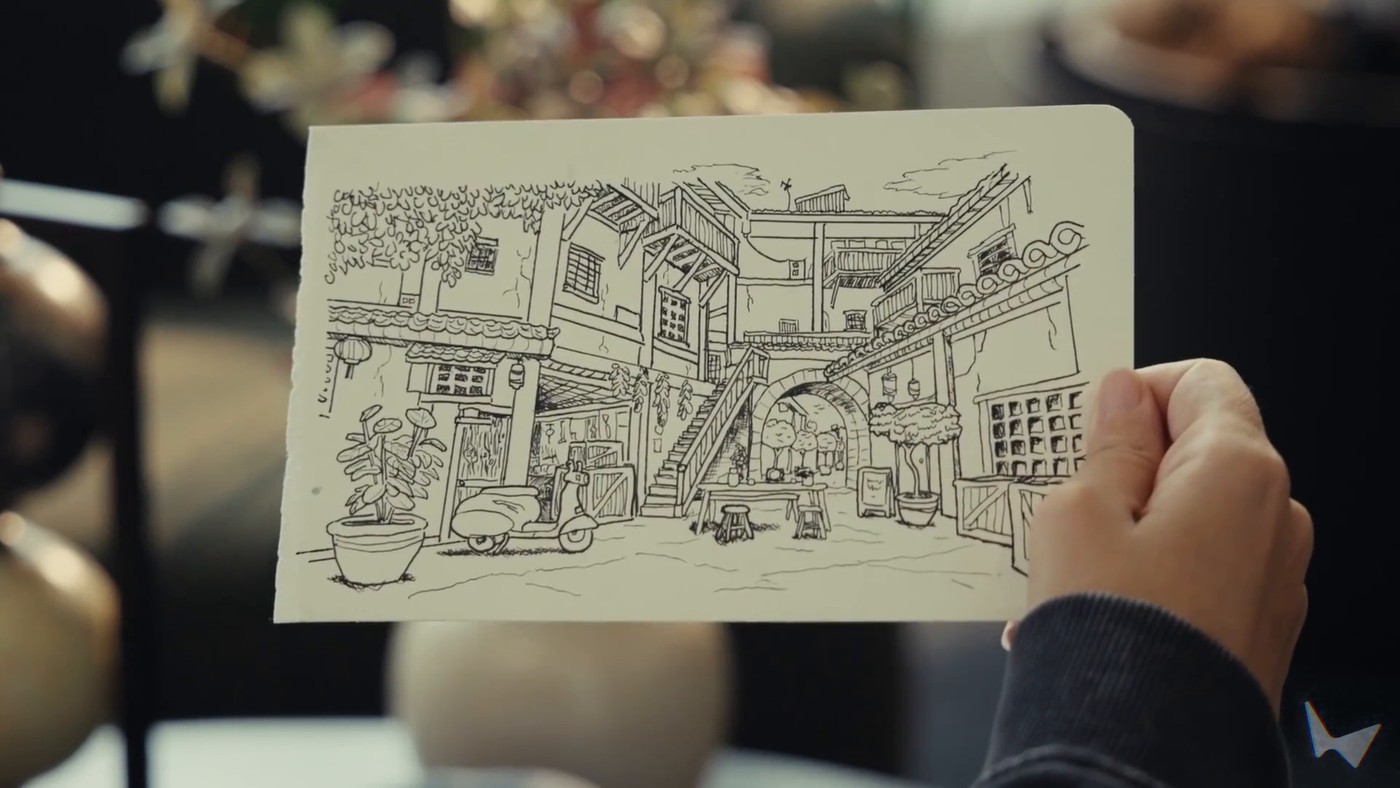
Image: World Labs
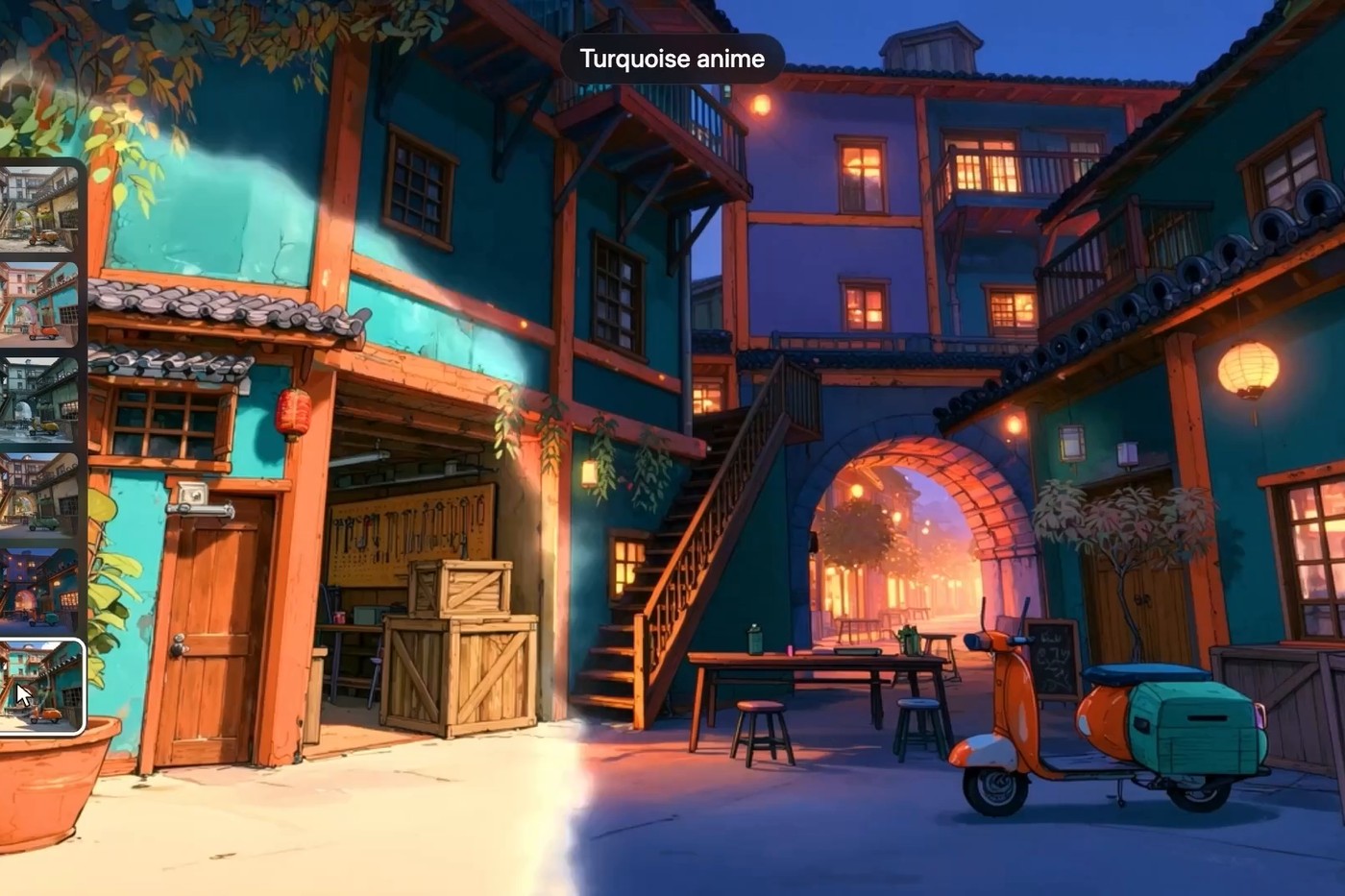
The general release comes as a set of tools on a new Atlas site. Viewfinder reconstructs a scene from photos or generated images, then lets you move a virtual camera through it and render camera paths. Chisel works the other way around. You block out a scene in simple shapes, a step game designers call grayboxing, and every camera view updates as you move things. Splats to Mesh converts Gaussian splats into meshes with real geometry for games and interactive scenes, and Relight lets you light and manipulate splats.
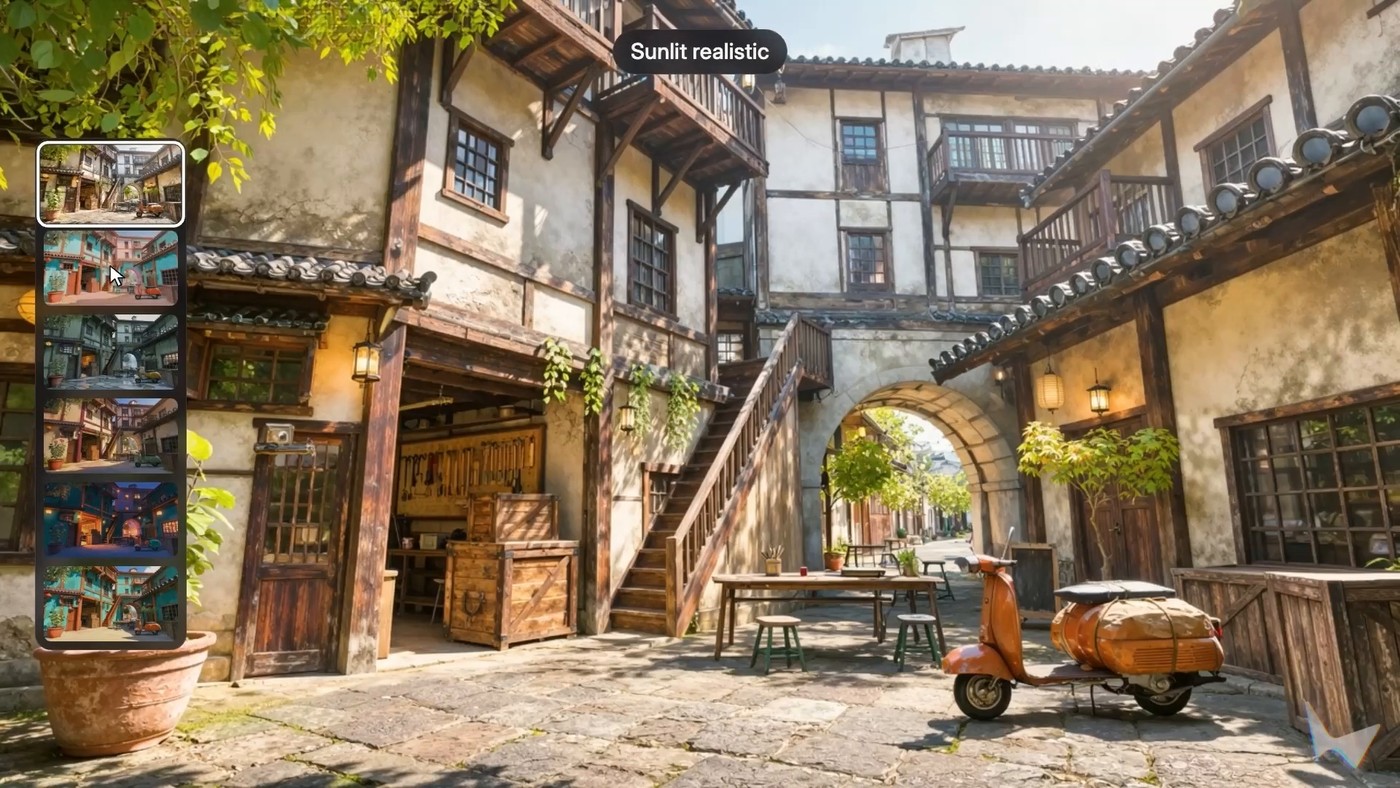
Image: World Labs
There is also a developer API, with integrations that include Blender. World Labs’ published Blender setup guide says the add-on requires Blender 5.3 or newer, and it is designed so an AI agent can drive Atlas inside an open Blender session. The company is pitching the release at three groups: film and VFX teams who want to build a set and direct the camera through it, architects and designers who want to explore a space from photos, and robotics researchers who need simulated environments.
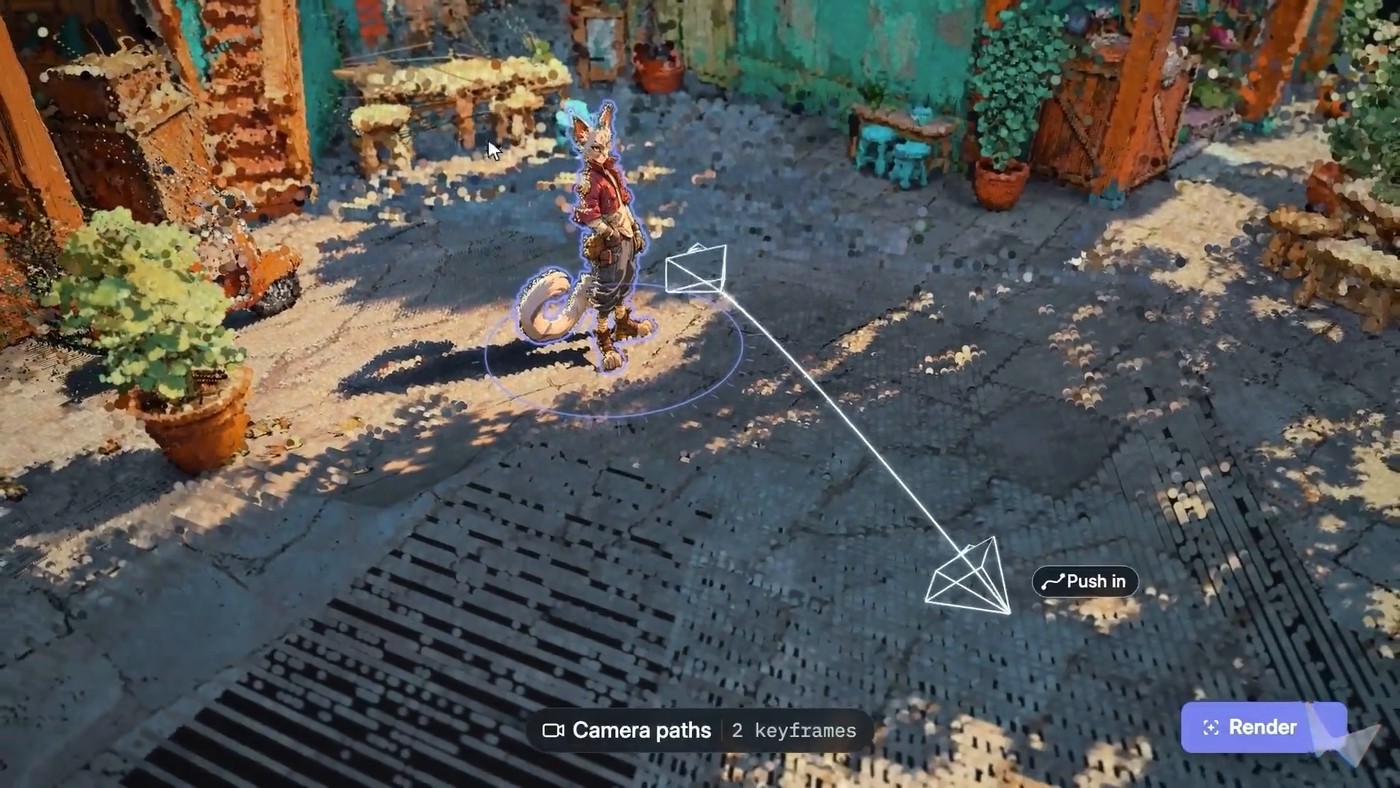
Image: World Labs
“Atlas is now available to everyone!! I’m very excited to see what users can build with our newest world model!” Li posted shortly after the announcement.
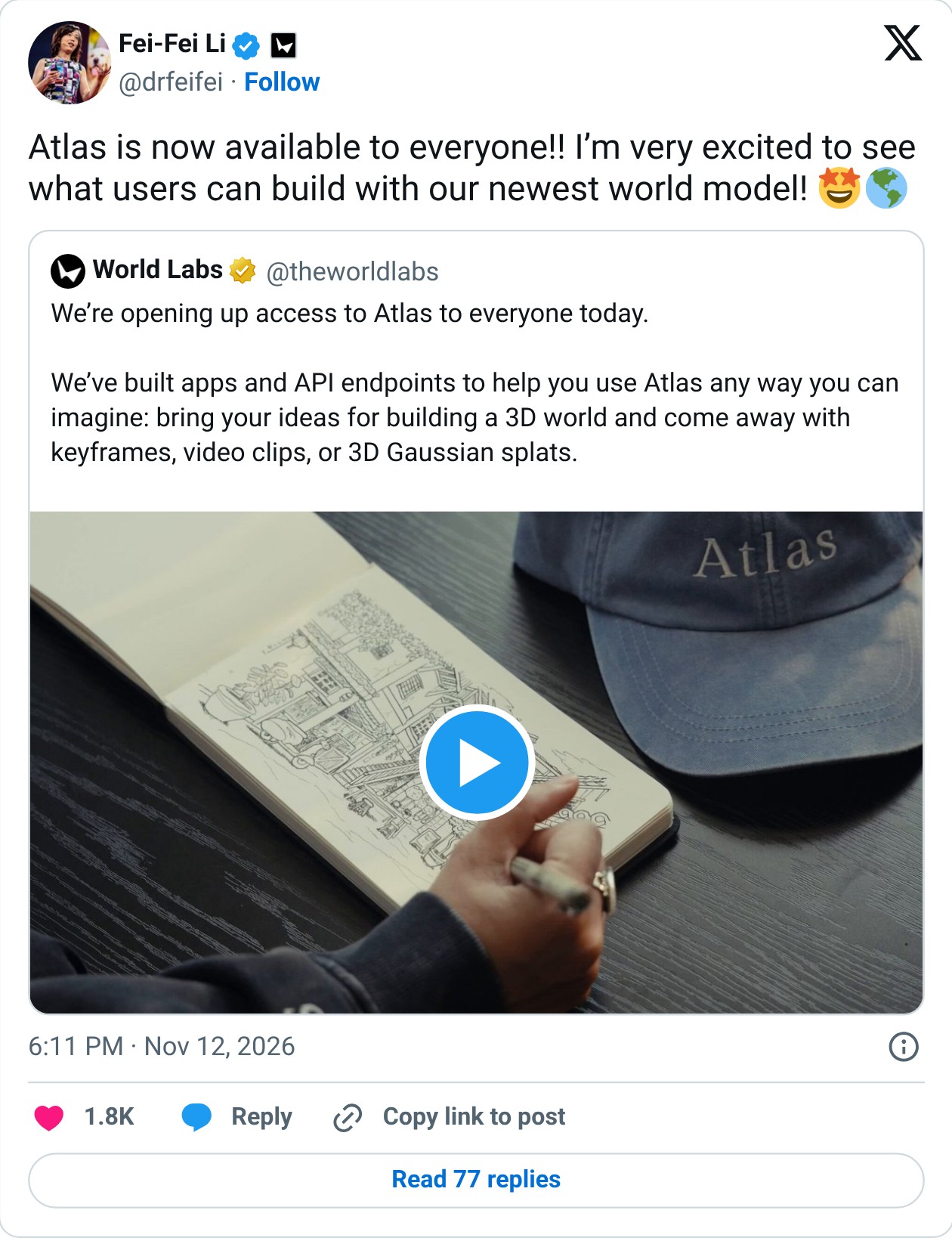
Screenshot: @drfeifei on X
Video: World Labs on YouTube
Two things are still missing. The Atlas pages do not list a price, so it is not yet clear what a finished world will cost to make. And the speed of the real-time mode depends on the cloud. On Nov. 5, World Labs released Frameboy, a research preview that streams Atlas frames from cloud GPUs to a browser at up to 15 frames per second, and the company said it “is not cheap compared to local rendering methods.”
The launch also lands in the middle of a deal. In September, World Labs signed a definitive agreement to join AMD, with Li set to become AMD’s executive vice president and chief scientist. The transaction is expected to close by the end of 2026, subject to regulatory approvals.
For anyone curious, the easiest test is simple. Take three or four photos of one room, upload them to Viewfinder, and see whether the space holds together when you move the camera.