Business
Tecno and Infinix Maker Transsion Seeks $428 Million in Hong Kong as Memory Costs Squeeze Its Phones
The Shenzhen company behind Africa's best-selling phones opened its Hong Kong share sale on Wednesday. Its prospectus shows memory chips made up nearly half of what its products cost to build early this year.
Hong Kong · Elena Vos, Business · Oct 7 2026
HONG KONG - Shenzhen Transsion Holdings, the company behind the Tecno, Infinix and itel phone brands, began taking orders for its Hong Kong listing on Wednesday, seeking to raise up to HK$3.36 billion, or about US$428.1 million. The Shanghai-listed company is offering 86.65 million H shares at HK$35.30 to HK$38.80 each, according to its prospectus, and expects the shares to start trading on Oct. 15 under the stock code 2636.
The retail offer runs through Oct. 12, with pricing expected on Oct. 13. With the over-allotment option, the deal could grow to about HK$3.8 billion, the South China Morning Post reported. The top of the range is a 38 percent discount to Transsion’s 53.8 yuan closing price in Shanghai on Sept. 30, the newspaper said. Citic Securities is the sole sponsor.
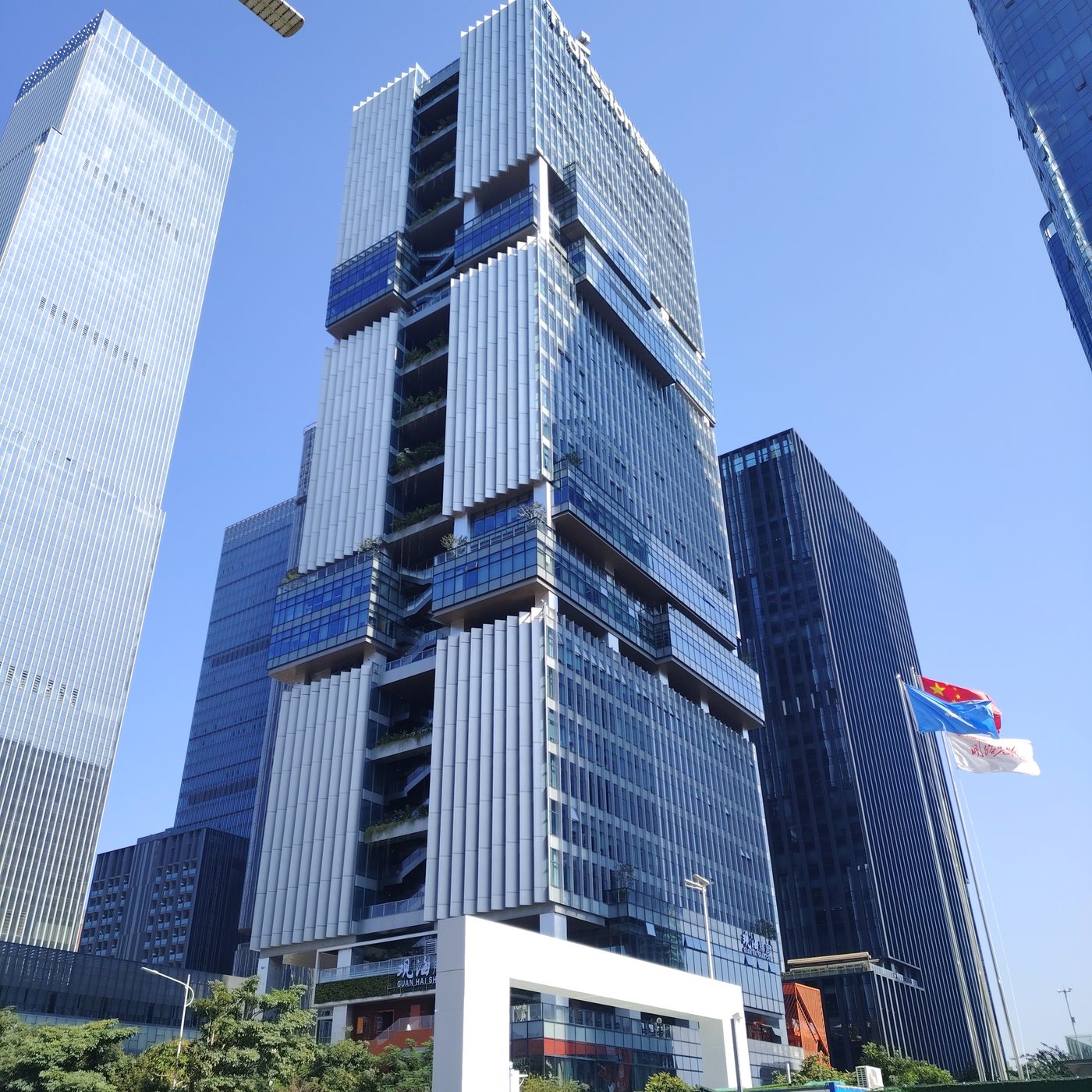 Photo: Lhzss8 / Wikimedia Commons (CC BY-SA 4.0)
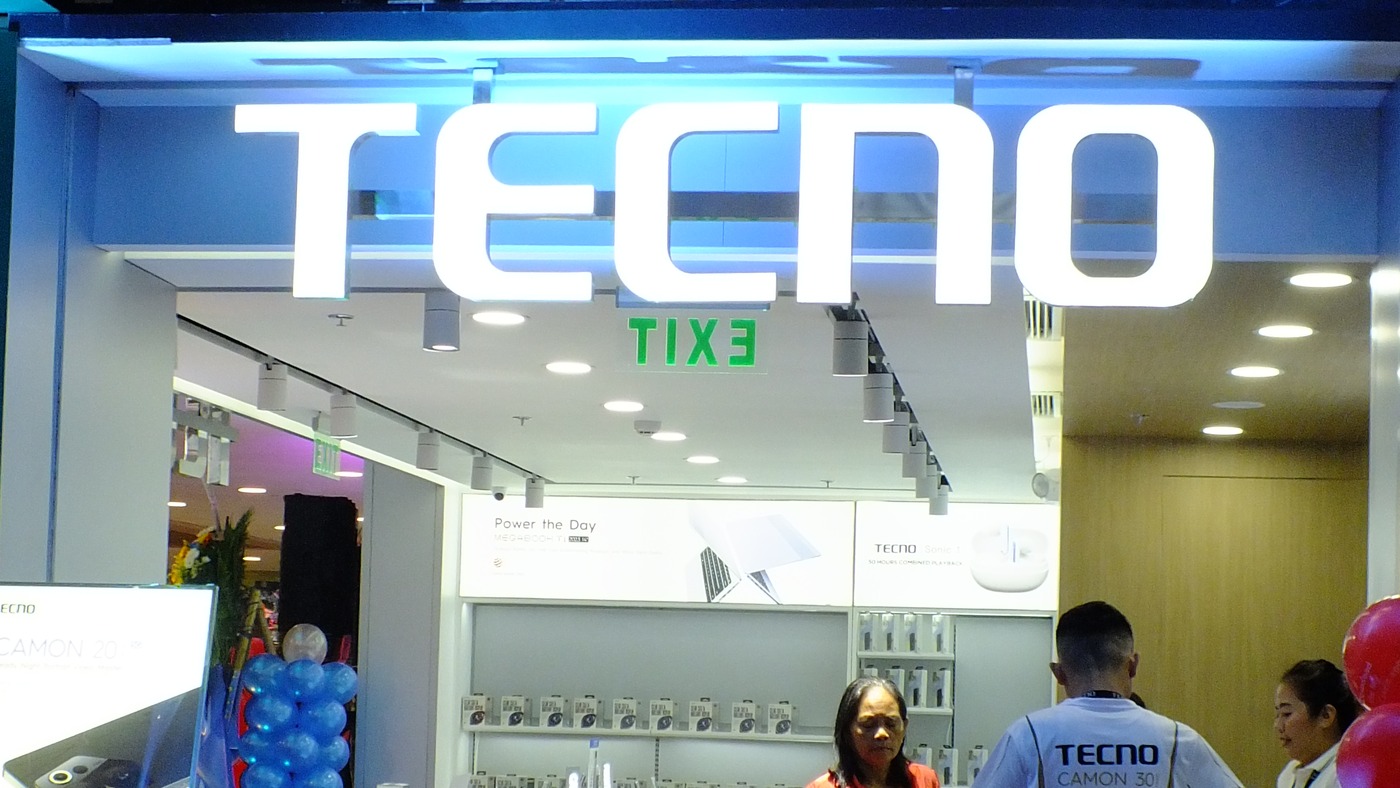
Transsion is not a household name in London or New York, but it ships an enormous number of phones. It was the world’s third-largest handset maker by volume in 2025, selling 169 million phones for an 11.8 percent share, according to Frost & Sullivan figures in the prospectus. By revenue it ranked eighth. It is the largest handset seller across emerging markets, where its cheap, long-lasting Tecno, Infinix and itel devices compete with Samsung and Xiaomi in Africa, South Asia, the Middle East and Latin America.
The filing also shows how hard the global memory squeeze has hit a company built on low prices. Transsion’s revenue fell 4.5 percent to 65.59 billion yuan in 2025, and profit dropped 53.5 percent to 2.61 billion yuan. The company says it deliberately slowed shipments in the second half of 2025 as the cost of memory chips climbed, choosing to wait for an industry-wide price rise rather than sell phones at thinner margins.
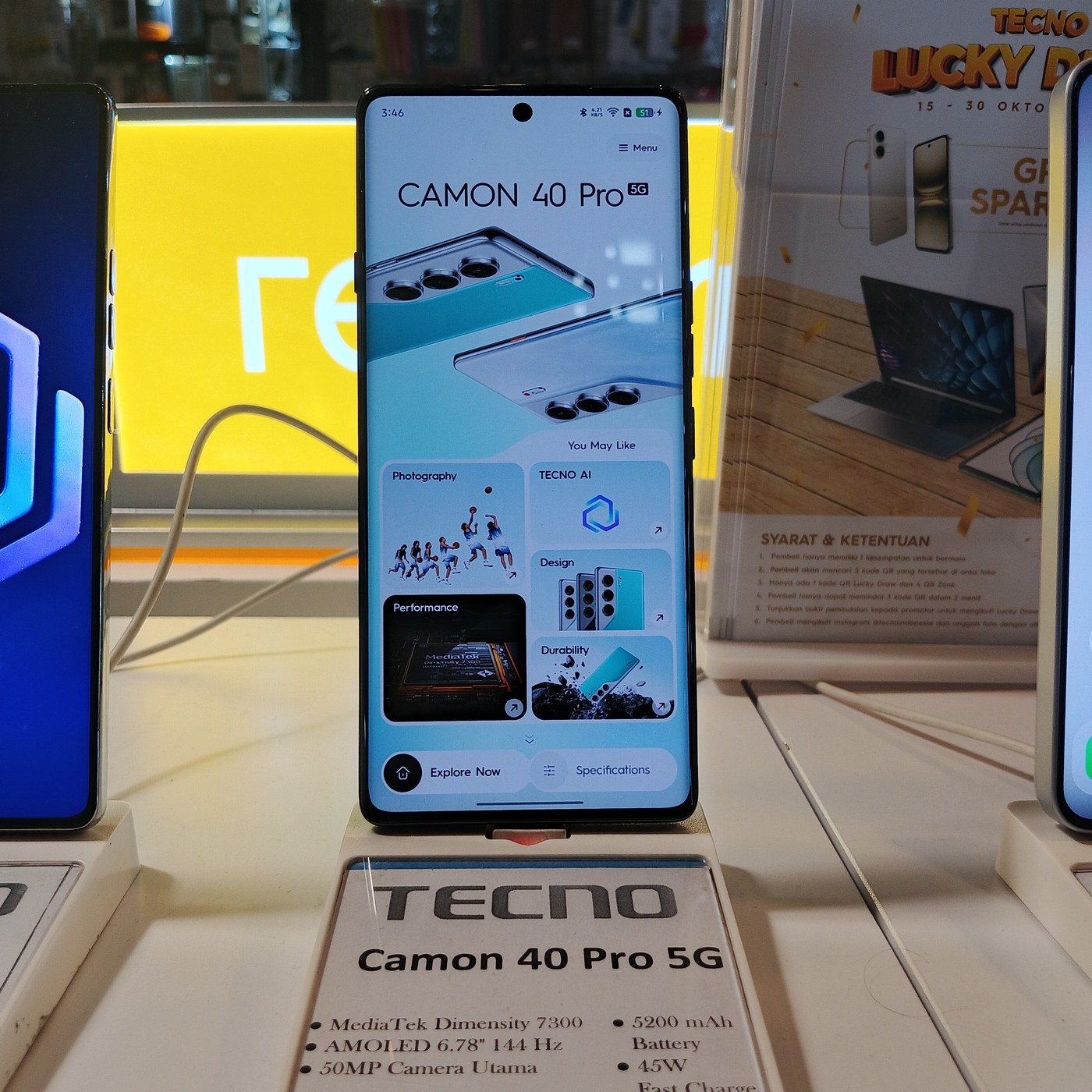 Photo: Meniirtjakarintan / Wikimedia Commons (CC BY-SA 4.0)
That price rise came in 2026, and the numbers tell the story. Memory chips accounted for 48.4 percent of Transsion’s cost of inventories sold in the first four months of this year, up from 24.5 percent a year earlier, according to the prospectus. That is more than the share spent on processors, screens and cameras combined. The company raised smartphone prices in response.
Fewer phones are now earning more money. In the six months to June 30, Transsion sold 39.5 million smartphones, down from 44.5 million a year earlier, but the average selling price rose to 713.4 yuan from 547.5 yuan. Revenue climbed 21.9 percent to 35.43 billion yuan. The company said it launched fewer entry-level Tecno and Infinix models and shifted resources to mid-range and premium phones such as the Tecno Camon Slim and the Infinix Hot 70.
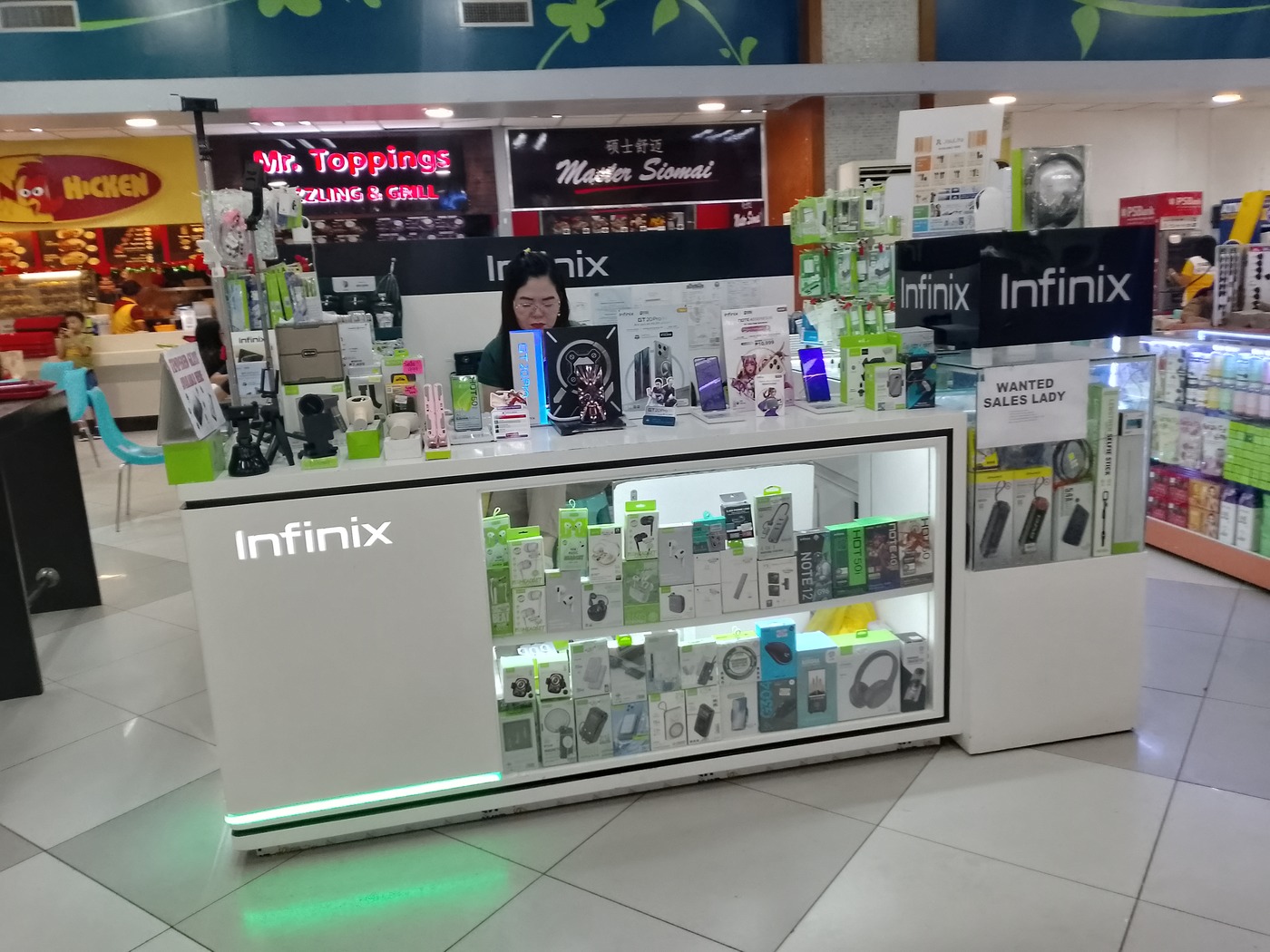 Photo: Wide Awake! / Wikimedia Commons (CC BY 4.0)
Eleven cornerstone investors have agreed to buy about HK$1.25 billion of the offering, including Singapore’s sovereign wealth fund GIC, E Fund, a BYD subsidiary, Millennium, Bank of China Wealth Management and the memory maker Longsys. Another is Digimoc Holdings, a unit wholly owned by the Taiwanese chip designer MediaTek, which already holds about 6.22 percent of Transsion and plans to invest $9 million more, the prospectus shows.
Transsion says about 40 percent of the money will go to AI research, including AI assistants, its own phone operating systems and camera imaging. About 30 percent is earmarked for marketing and brand building, with a slice set aside for short-video platforms. About 20 percent will support mobile internet services and connected products such as earbuds, smartwatches and home appliances, and the remaining 10 percent will fund working capital.
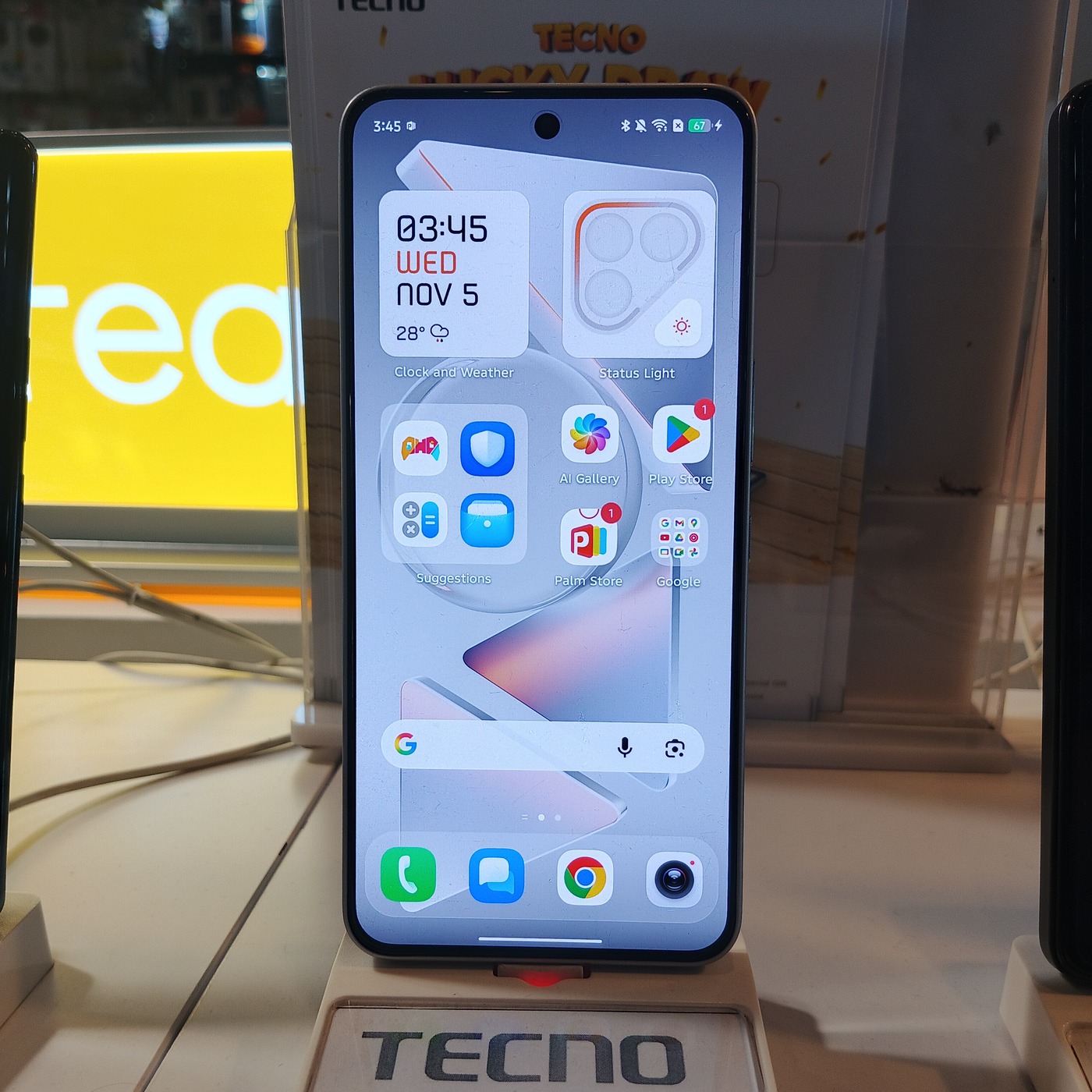 Photo: Meniirtjakarintan / Wikimedia Commons (CC BY-SA 4.0)
The share sale gives Transsion a second listing and access to international money at a delicate moment. Its Shanghai shares have fallen nearly 20 percent this year, The Standard reported, and its main rivals are facing the same memory bill. For buyers of budget phones in Lagos, Karachi or Manila, the prospectus offers a plain explanation for why a new Tecno or Infinix costs more than it did a year ago.