Gadgets
Tesla Will Build the Cybercab at Giga Berlin, Committing 3 Billion Euros to a Plant Rated for 1 Million a Year
Production in Grünheide is planned for 2029. Tesla still has no approval to run driverless cars in Europe, where current EU rules cap a driverless vehicle type at 1,500 registrations a year.
Grünheide, Germany · Sam Okonkwo, Gadgets · Nov 16 2026
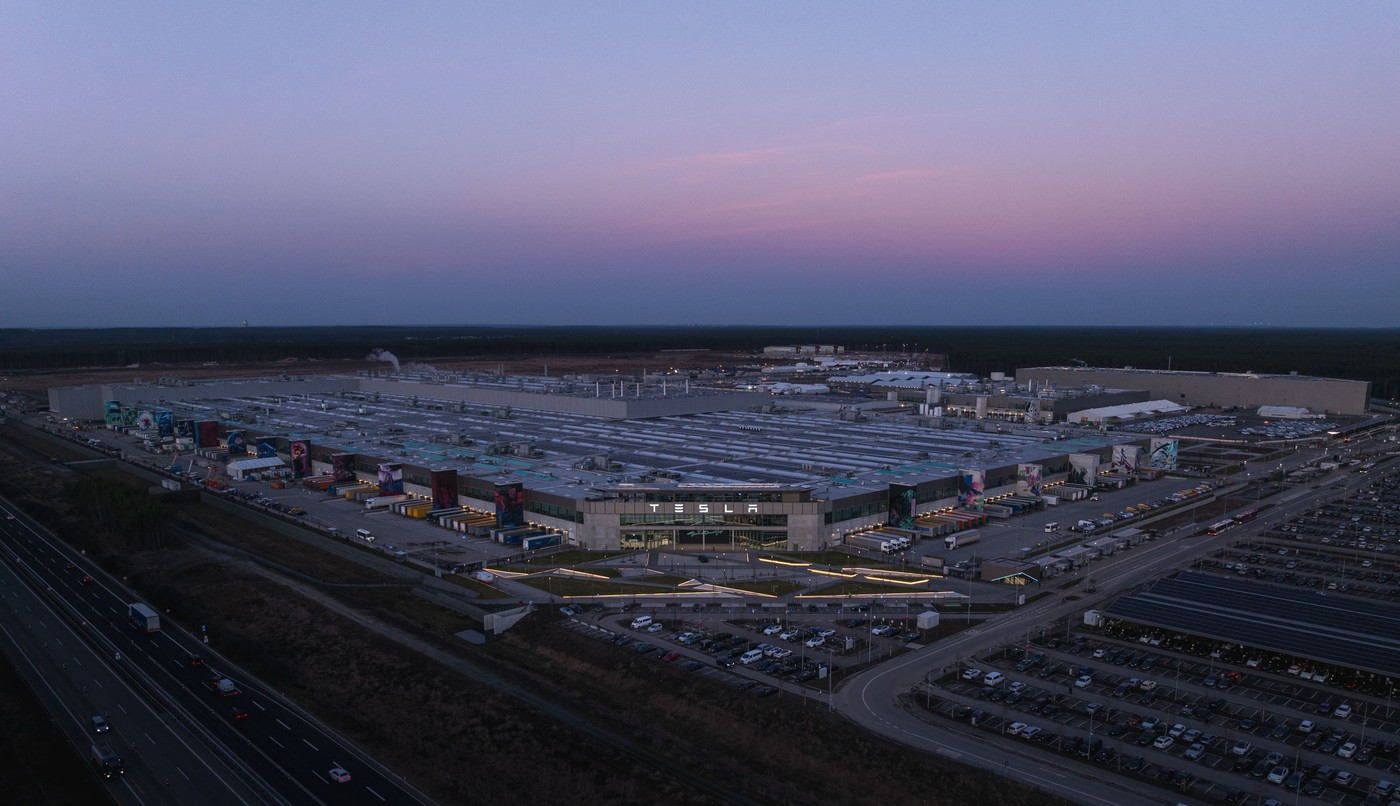
GRÜNHEIDE, Germany - Tesla will build its Cybercab robotaxi in Germany, committing about 3 billion euros, or roughly $3.3 billion, to a new production building at its Giga Berlin plant that it says will be able to make up to 1 million vehicles a year, with production planned to start in 2029.
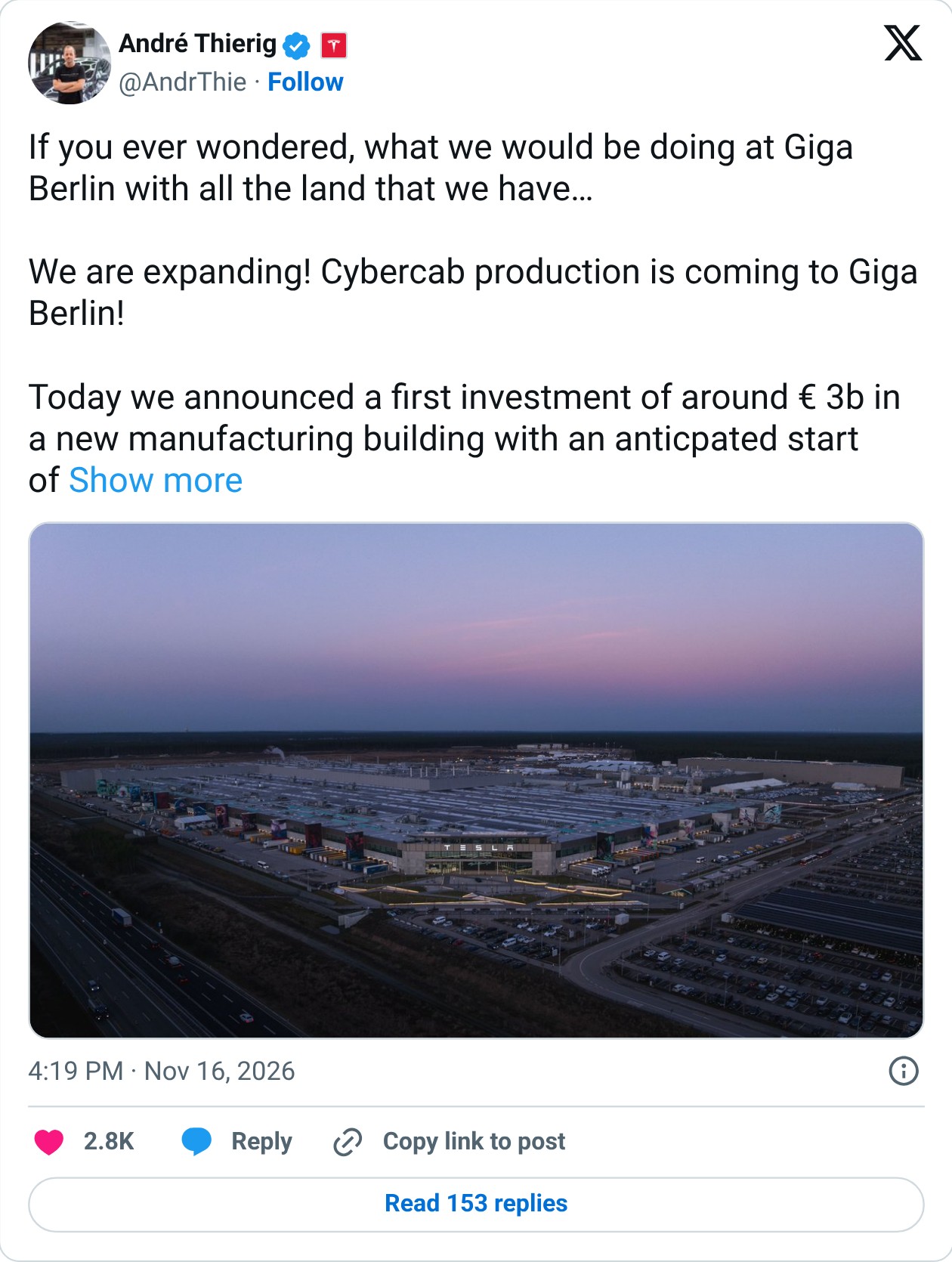
André Thierig, the Tesla executive who runs manufacturing at the site, announced the plan on Monday after Tesla told employees. “We are expanding! Cybercab production is coming to Giga Berlin!” he wrote on X. “Today we announced a first investment of around € 3b in a new manufacturing building.”
Screenshot: @AndrThie on X
According to Tesla’s statement, the money covers the new production hall north of the existing plant, ancillary buildings and a second wastewater treatment plant, Electrek reported. Tesla plans to file its building application before the end of the year and begin construction in the first half of 2027. The company called it “the technologically most advanced Tesla factory in the world.”
Giga Berlin, in Grünheide just east of the German capital, builds only the Model Y today. Tesla had already laid out plans to take the site to 1 million vehicles a year in earlier permit filings, but until Monday it had not said what the second hall would make, Electrek noted.
The Cybercab, a two-seat electric car with no steering wheel or pedals, was first shown in 2024 and launched publicly in Austin, Texas, in September. Production started at Tesla’s Texas factory in April, and last week the company opened orders for personal Cybercabs at $29,990 plus a required $299 monthly subscription, usable only inside its Robotaxi service areas. Tesla plans to stop building the Cybertruck next year, partly to make room for Cybercab production in Austin, TechCrunch reported.
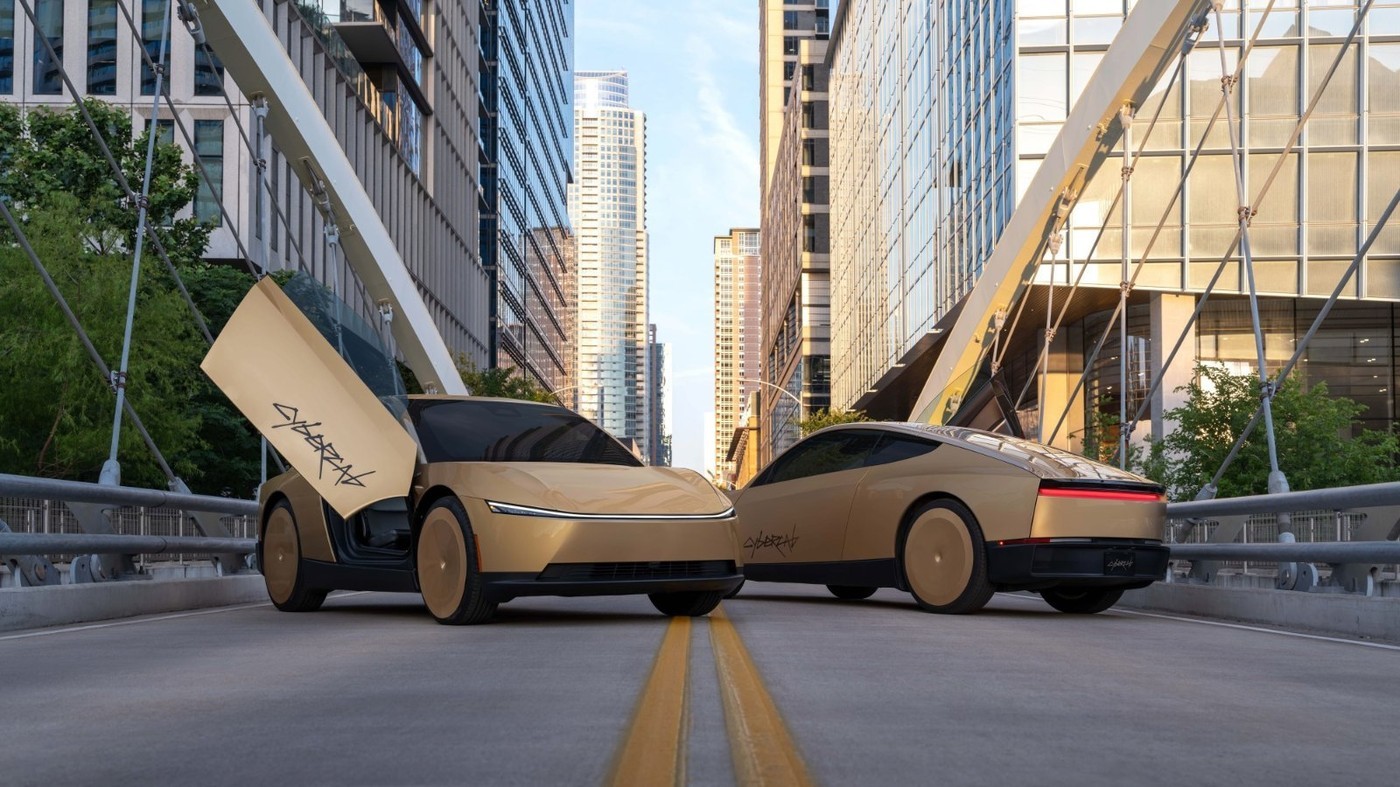
Image: Tesla
Europe is a harder market. Under current EU rules, a fully driverless vehicle type can be approved only through a small-series scheme capped at 1,500 registrations a year across the bloc, and Tesla has no approval anywhere in Europe for its software to drive without supervision, according to Electrek. The supervised version, sold in Europe as Tesla Assisted Driving, still requires a driver watching the road.
The European Commission has said it wants a large-series approval path for more driverless uses, and a United Nations regulation for automated driving systems is in the works. Tesla could also export Cybercabs built in Berlin. The company has not said where the German-built vehicles will be sold.