Gadgets
Zomato Founder Deepinder Goyal's Temple, a Wearable That Sticks to Your Head to Track Blood Flow to the Brain, Opens Pre-Orders
The pill-shaped tracker rides on the side of the head instead of the wrist. It costs £800 in Britain and 85,000 rupees in India, ships in about three months, and arrives with bold accuracy claims that rest so far on the company's own studies.
Gurugram, India · Maya Chen, Gadgets · Nov 2 2026
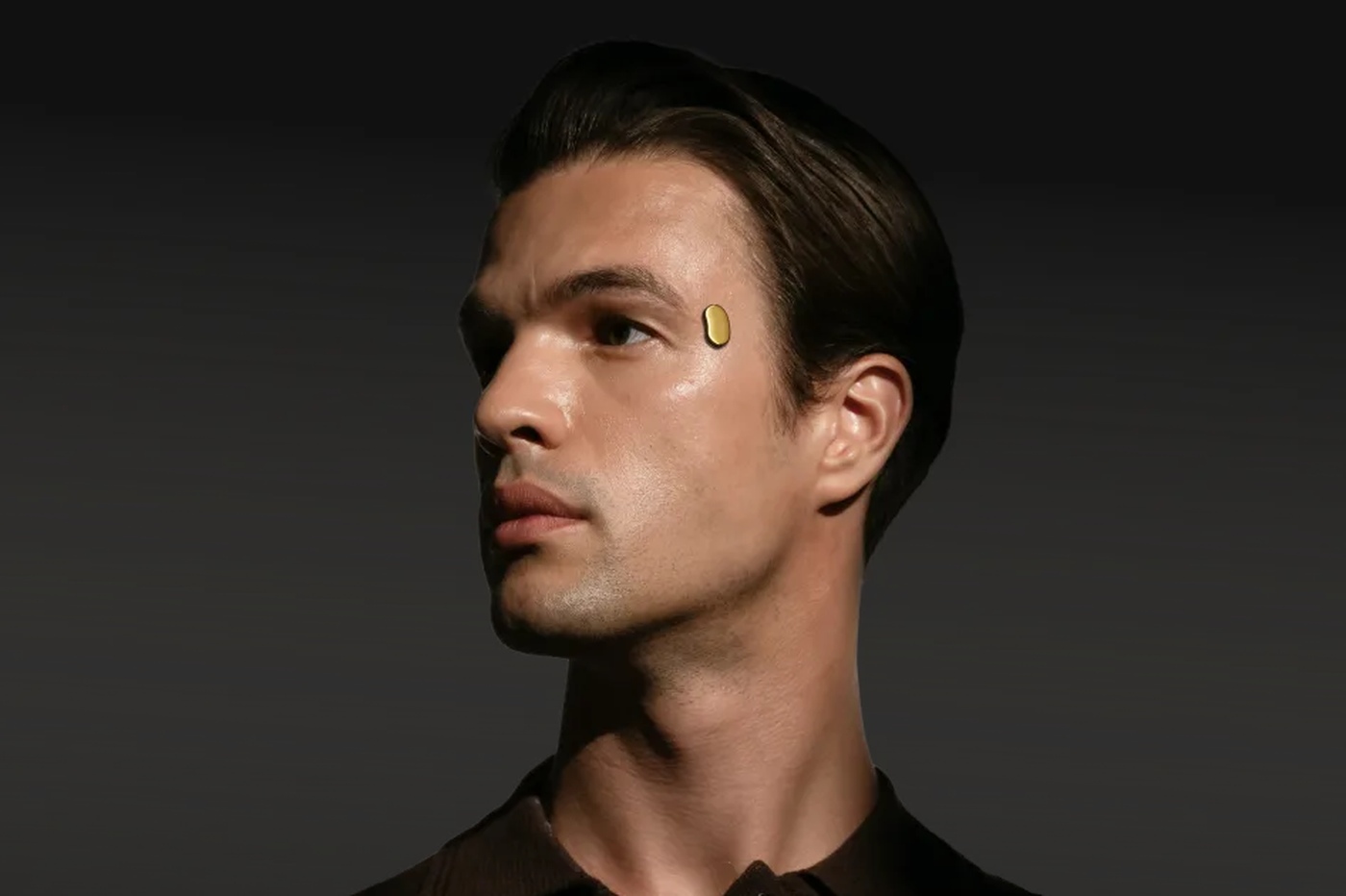
GURUGRAM, India - Most fitness trackers go on the wrist or a finger. Temple goes on your head. The small, pill-shaped wearable from Deepinder Goyal, the founder of the Indian food delivery company Zomato, opened for pre-orders worldwide on Sunday, Nov. 1, after months of teasing on social media. On Temple’s order page it costs £800 in Britain, including taxes and shipping, and India Today reported an Indian price of 85,000 rupees.
“Temple pre-orders open now,” Goyal wrote on X at 9:30 p.m. India time on Sunday, a post that had been viewed more than 750,000 times by Monday. He said in another reply that the company will ship worldwide.
 Screenshot: @deepigoyal on X
The device sticks to the skin between the forehead and the ear with disposable adhesive pads the company calls Grips, so there is no strap. Its headline feature, BrainFlow, uses optical sensors to follow changes in blood flow to the brain. Temple also tracks heart rate and builds a score it calls Entropy, which its website describes as a measure of how hard the body is working to shed heat. The reading at rest is Resting Entropy, the highest level sustained near maximum heart rate becomes Entropy Max, and the two combine into a single number called Span.
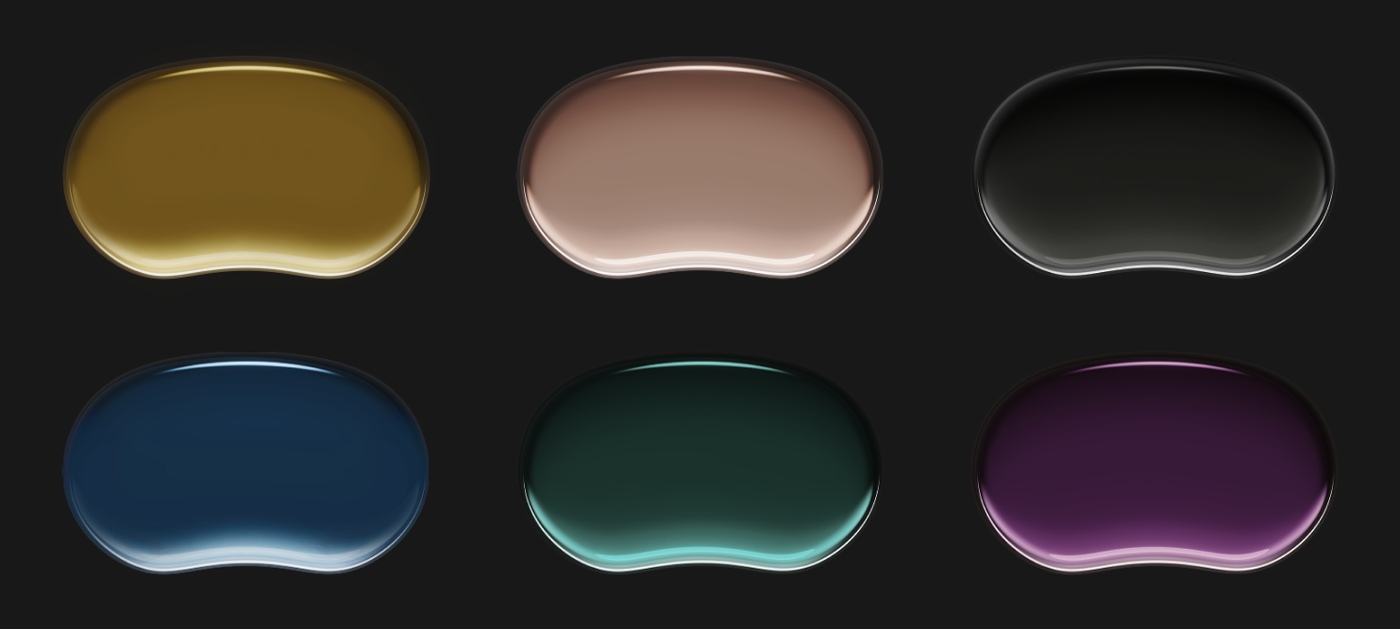 Image: Temple
Every finish costs the same on the order page. India Today reported that Real Jade, Deep Blue and Purple Funk are limited editions. The price covers more than the hardware, according to Temple: a lifetime subscription to the app’s features, a lifetime supply of Grips, a charging pod that holds up to 25 days of charge, one-on-one onboarding and device replacements for a nominal fee. Each unit is made by hand after it is ordered, delivery takes about three months, and a pre-order can be refunded until it ships.
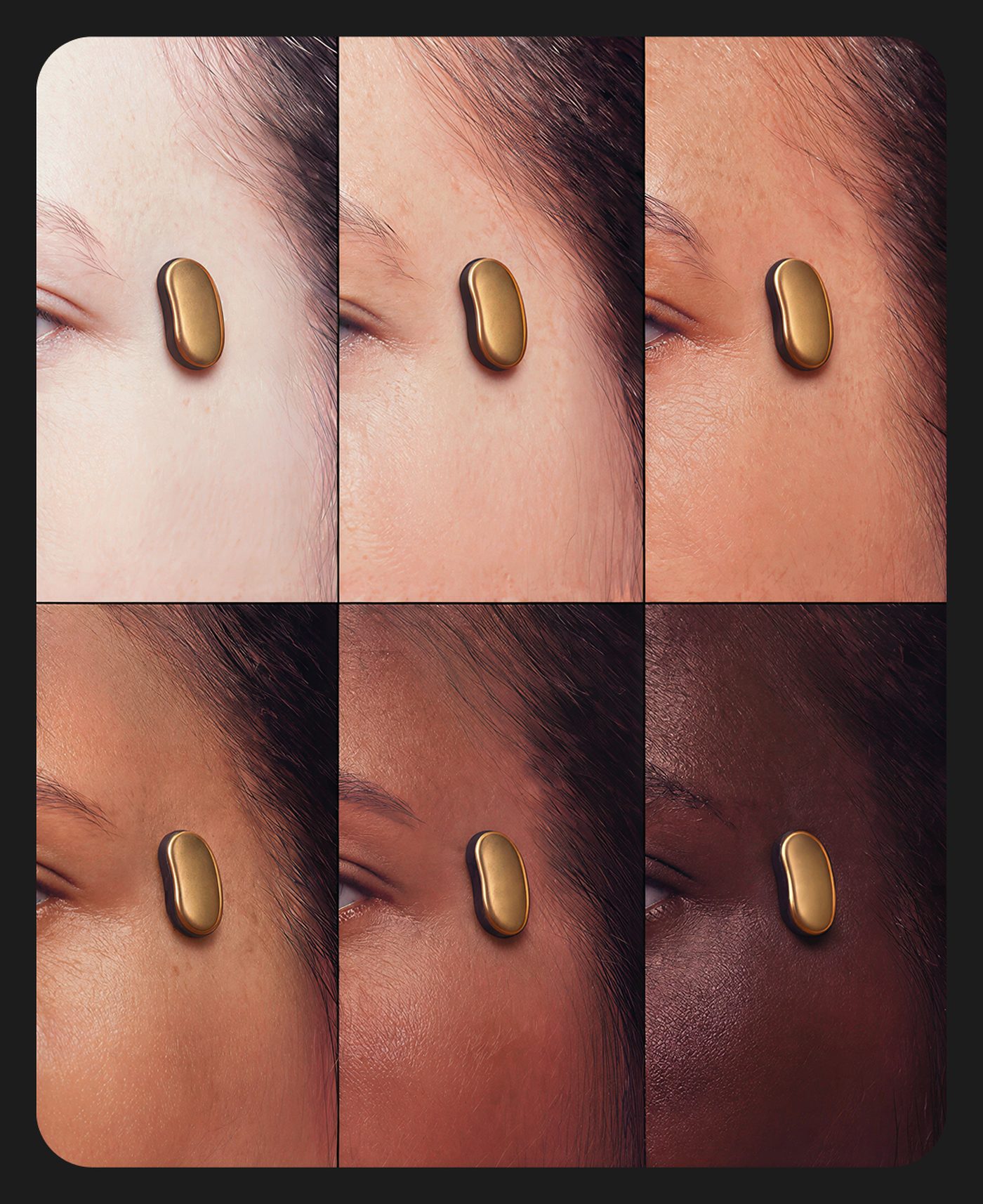 Image: Temple
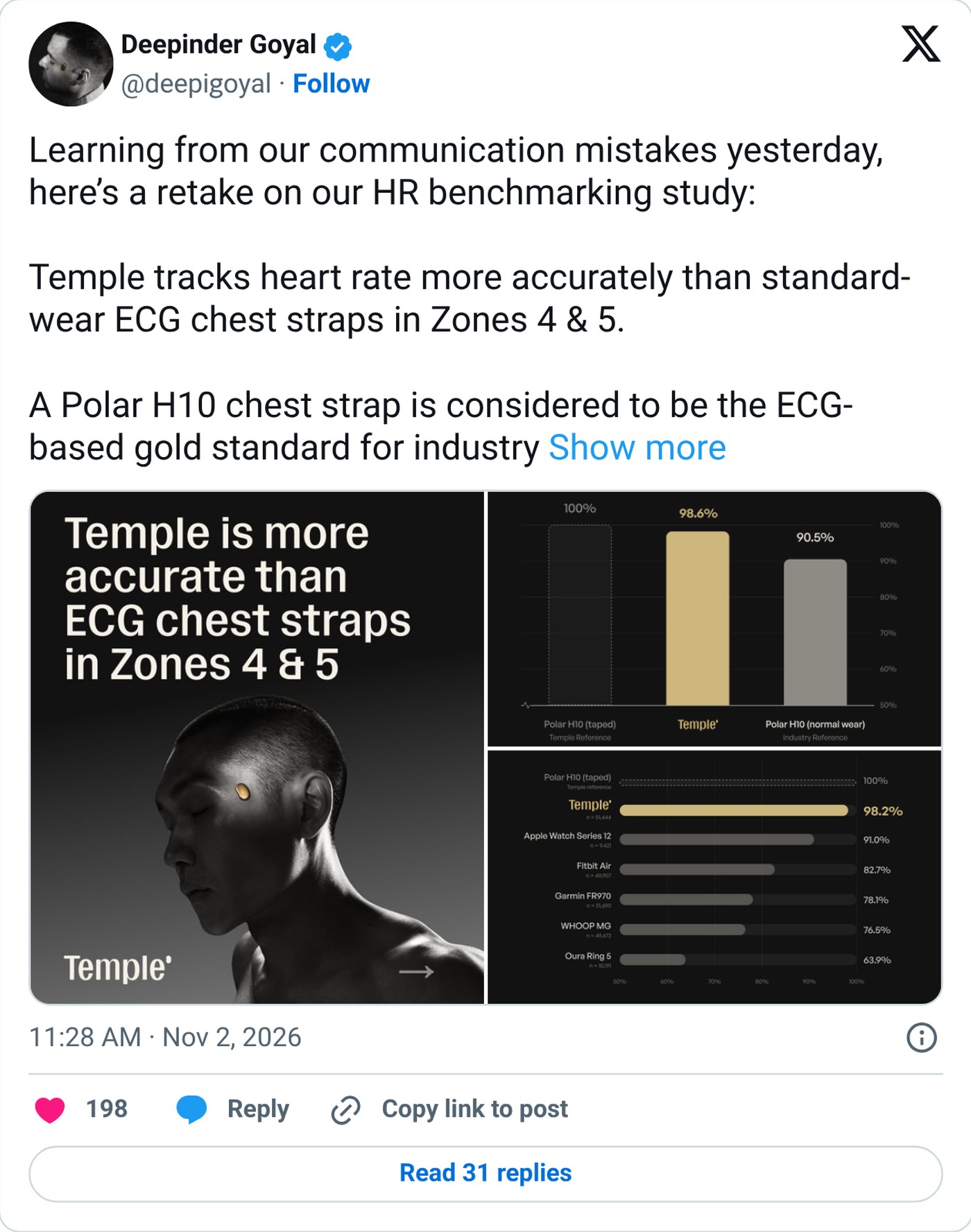
The boldest claims are about accuracy. In an internal study posted on Temple’s science page, runners wore Temple and five rival devices at once on a treadmill. In the two hardest heart rate zones, Temple’s average error was 1.14 beats per minute, against 1.92 to 5.17 for the others. A company chart shows 98.2 percent of Temple’s readings within five beats of a taped Polar H10 chest strap across all zones, compared with 91.0 percent for the Apple Watch Series 12 and 63.9 percent for the Oura Ring 5. On Monday, Goyal reposted the results with a new framing, writing, “Learning from our communication mistakes yesterday, here’s a retake on our HR benchmarking study,” and claiming that Temple beat a normally worn chest strap in those top zones.
 Screenshot: @deepigoyal on X
Those numbers come from Temple itself and have not been independently checked. The company lists two BrainFlow validation studies, one comparing the device with transcranial Doppler ultrasound in 23 healthy adults, as still in peer review. Temple is pitched as a wellness product rather than a medical device, and Digit noted that much of its supporting research is company-led and still needs outside validation. Goyal told one commenter on X that “a lot of independent studies” are coming.
He has also had to defend the project’s credibility. “We haven’t, don’t and won’t pay anyone to wear or promote Temple,” he wrote on Sunday, a line the company repeats on its website. In another reply he was blunter about his reputation: “Being the Zomato guy works against Temple. People don’t take it seriously that I can do hardware and science.”