
Gadgets
Subvocal's $499 Glasses Want to Turn the Words You Silently Mouth Into Text, and Preorders Are Already Open
The Y Combinator-backed startup says radio sensors in the frames can decode silent speech at more than 200 words a minute. The glasses are still a prototype, and the first batch is not due until early 2027.
San Francisco · Noah Park, Gadgets · Nov 1 2026
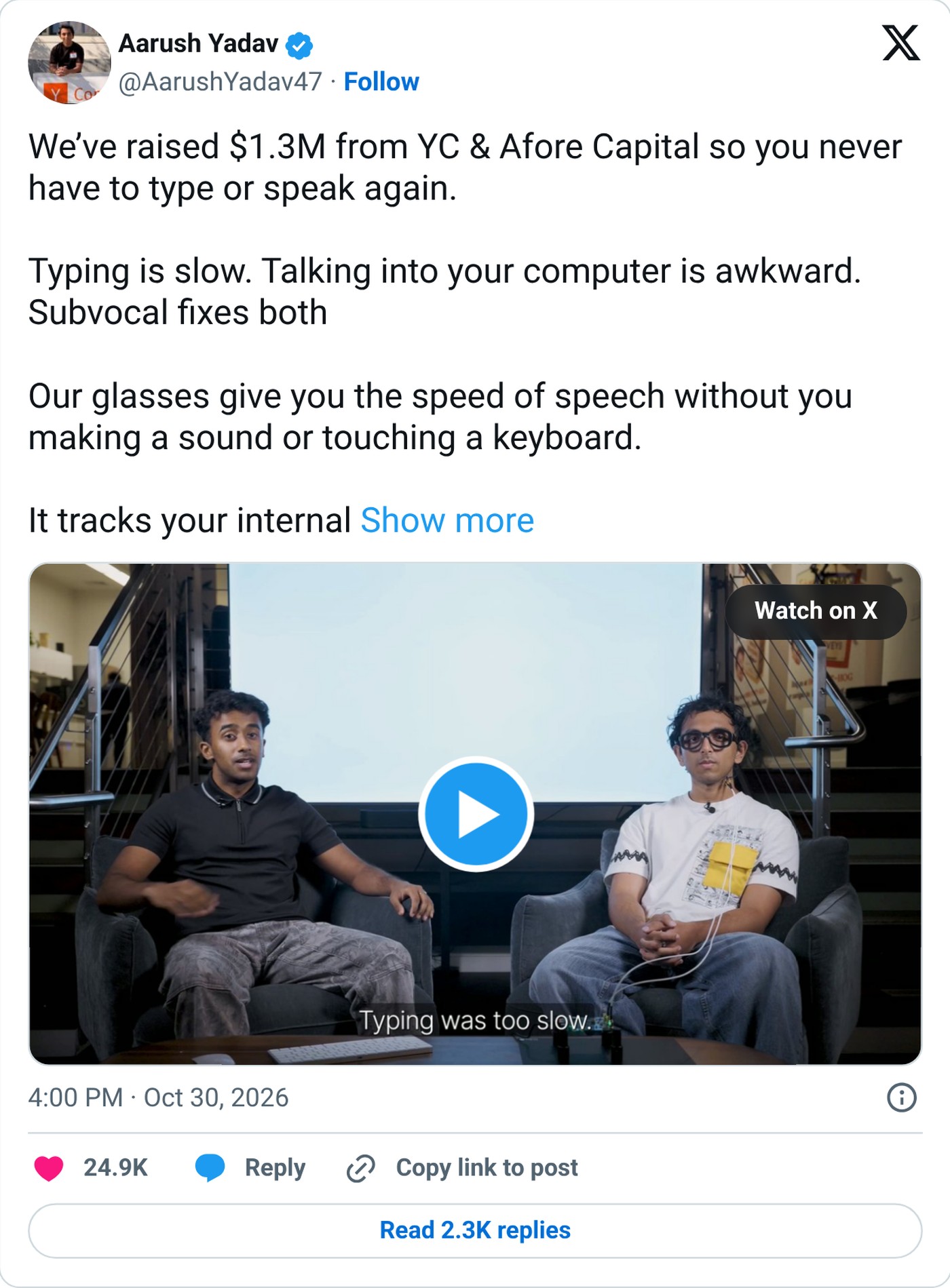
SAN FRANCISCO - A startup that wants people to stop typing and stop talking to their computers out loud has opened preorders for glasses that it says can read the words a wearer mouths without making a sound. The Subvocal Company said on Friday that it had raised $1.3 million from Y Combinator and Afore Capital, and co-founder Aarush Yadav’s post on X announcing the glasses had been viewed more than 11 million times by Sunday.
“Typing is slow. Talking into your computer is awkward. Subvocal fixes both,” Yadav wrote. The glasses, he said, track “your internal speech muscles with non-contact sensing” and decode “silent, almost invisible mouthing into text at more than 200 words/min.”
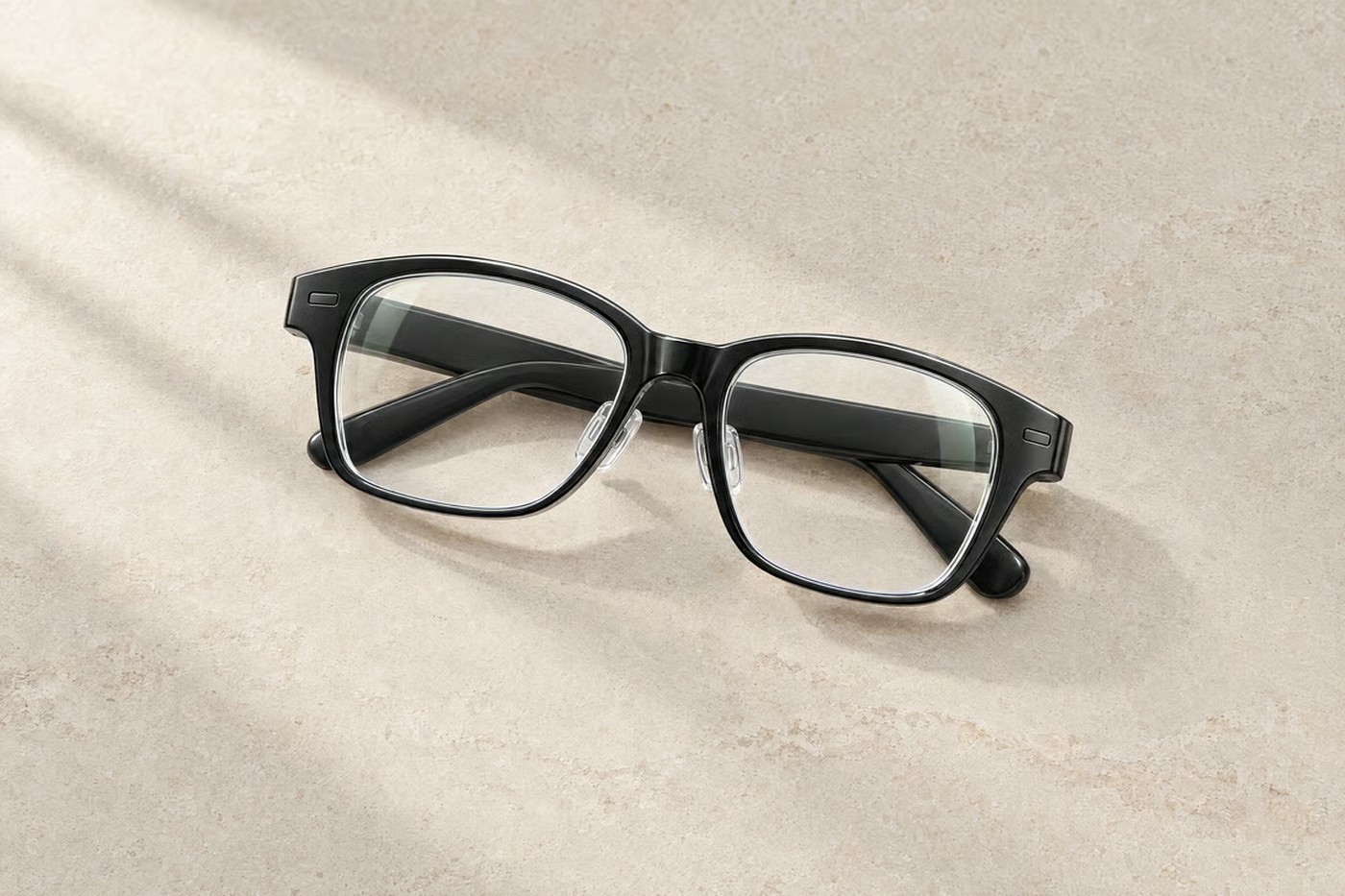 Image: The Subvocal Company
The sensing does not rely on a camera or a microphone. In a Launch YC post, Yadav and his co-founder, Arnav Kumar, wrote that the glasses send low-power radio waves through the face and measure how those signals change as the muscles move, and that the company’s models decode the signals directly into text. Subvocal’s website says there is no camera-based lip reading and that the system decodes only words a user deliberately articulates. “Subvocal does not read arbitrary or involuntary thoughts,” it says.
The pitch is aimed at people who already dictate a lot and cannot do it everywhere. The founders point to open offices, cafes and public transit, where speaking to a computer is awkward for the user and distracting for everyone nearby. The company says the glasses will work as an input method rather than a separate app, so the text can go into tools like ChatGPT, Claude, Cursor, Slack and email.
 Screenshot: @AarushYadav47 on X
The founders are candid that buyers are not yet looking at a finished product. They started work about four months ago after building a first version at a hackathon, and say they have gone “from a table full of electronics and antennas taped to our face to a semi-portable board and sleek glasses” that decode open-ended speech at more than 200 words a minute with “a reasonably low error rate even at a small dataset scale.” “The hardware currently looks a lot worse than the product we intend to ship,” they wrote.
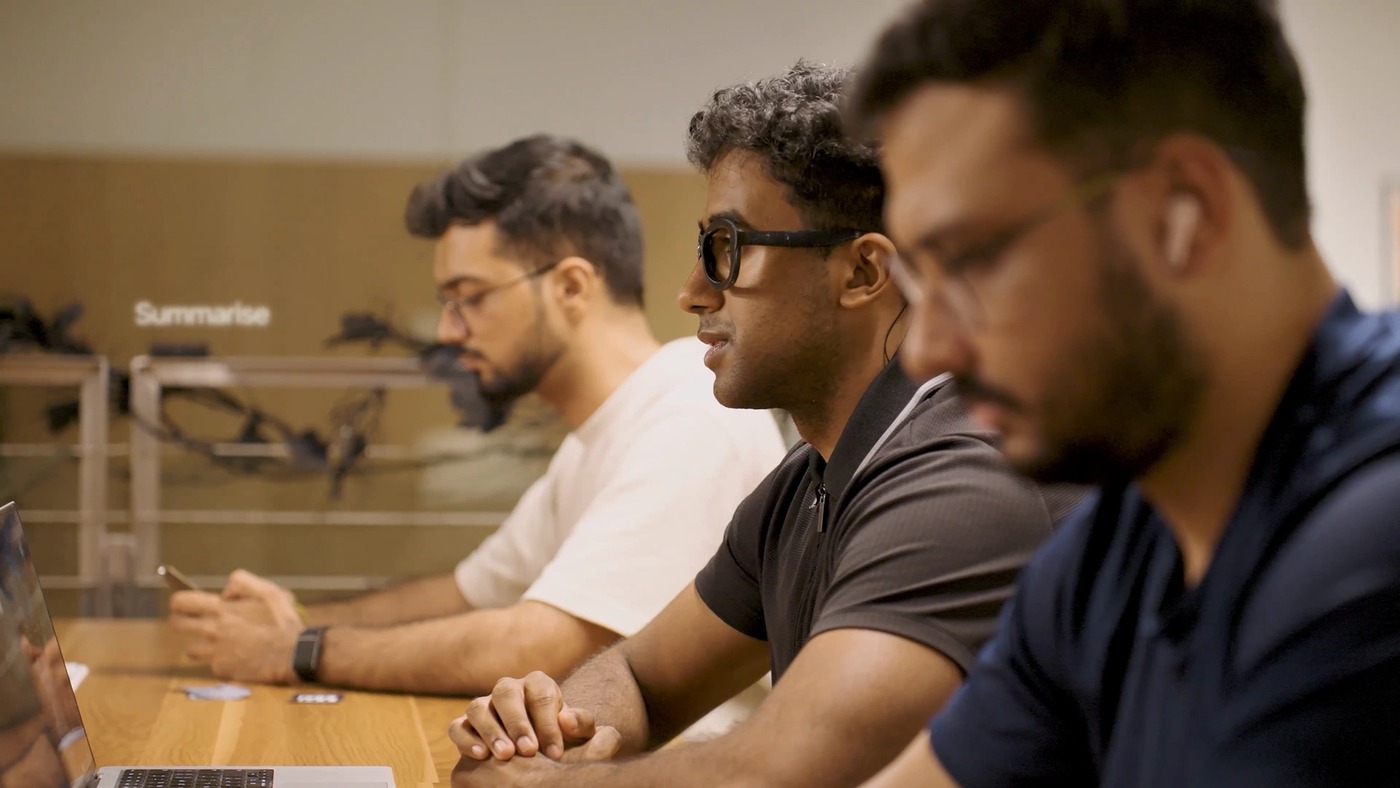 Image: The Subvocal Company
The next step, according to the company, is to collect thousands of hours of radio data from many people to train a model that works on anyone after a short calibration. Its website says new users will go through a brief personal calibration at setup. The speed figure comes from the company’s own prototypes, and Digital Trends noted that it has not been independently verified.
Reserving a pair costs a $199 deposit, which is credited toward an early-bird price of $499, according to Subvocal’s preorder terms. The founders describe that price as a $200 discount on the eventual price. The remaining $300 is due later through a separate checkout, and taxes, shipping and prescription lenses are not included. The deposit is refundable until the final payment, preorders are open only to United States addresses, and the company estimates the first batch will ship in the first quarter of 2027, a date it says is “not a guaranteed date.” The terms also warn that final specifications and appearance may change.
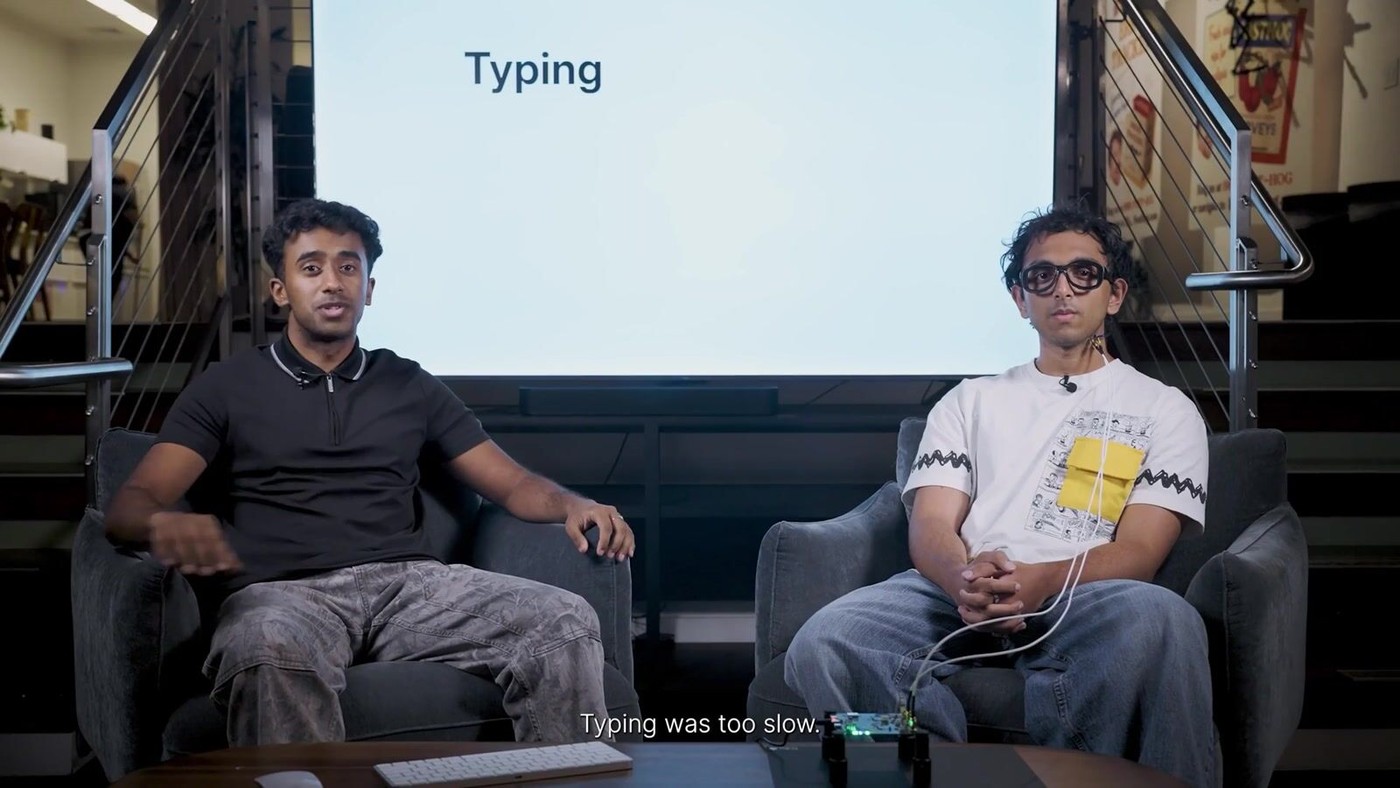 Image: The Subvocal Company
Not everyone is convinced the idea needs new glasses. Developer Joe Blau said in a post on X that he had recreated a version for AirPods Pro 3 “in 9 minutes with one prompt” and published the code on GitHub. Subvocal’s answer will come from the hardware itself, once the first units reach buyers next year.
Video: The Subvocal Company