Business
Global Smartphone Shipments Plunge 20% in Q3, Worst Third Quarter in 14 Years
Counterpoint blames AI-driven memory shortages and higher BOM costs. Samsung holds 23% share, Apple hits a record 22% for any Q3, while Xiaomi, Oppo and vivo cut volumes hard.
London · Elena Vos, Business · Oct 12 2026
LONDON - Global smartphone shipments fell about 20% year over year in the third quarter of 2026, the weakest third-quarter result since 2012, according to preliminary Counterpoint Research estimates published Monday.
The firm tied the drop to soaring memory chip prices and supply shortages as AI infrastructure projects pulled DRAM and NAND away from handset makers. Higher bill-of-materials costs pushed OEMs to raise retail prices, trim builds and favor profitability over volume. Counterpoint said smartphone retail prices are up roughly 20% so far in 2026.
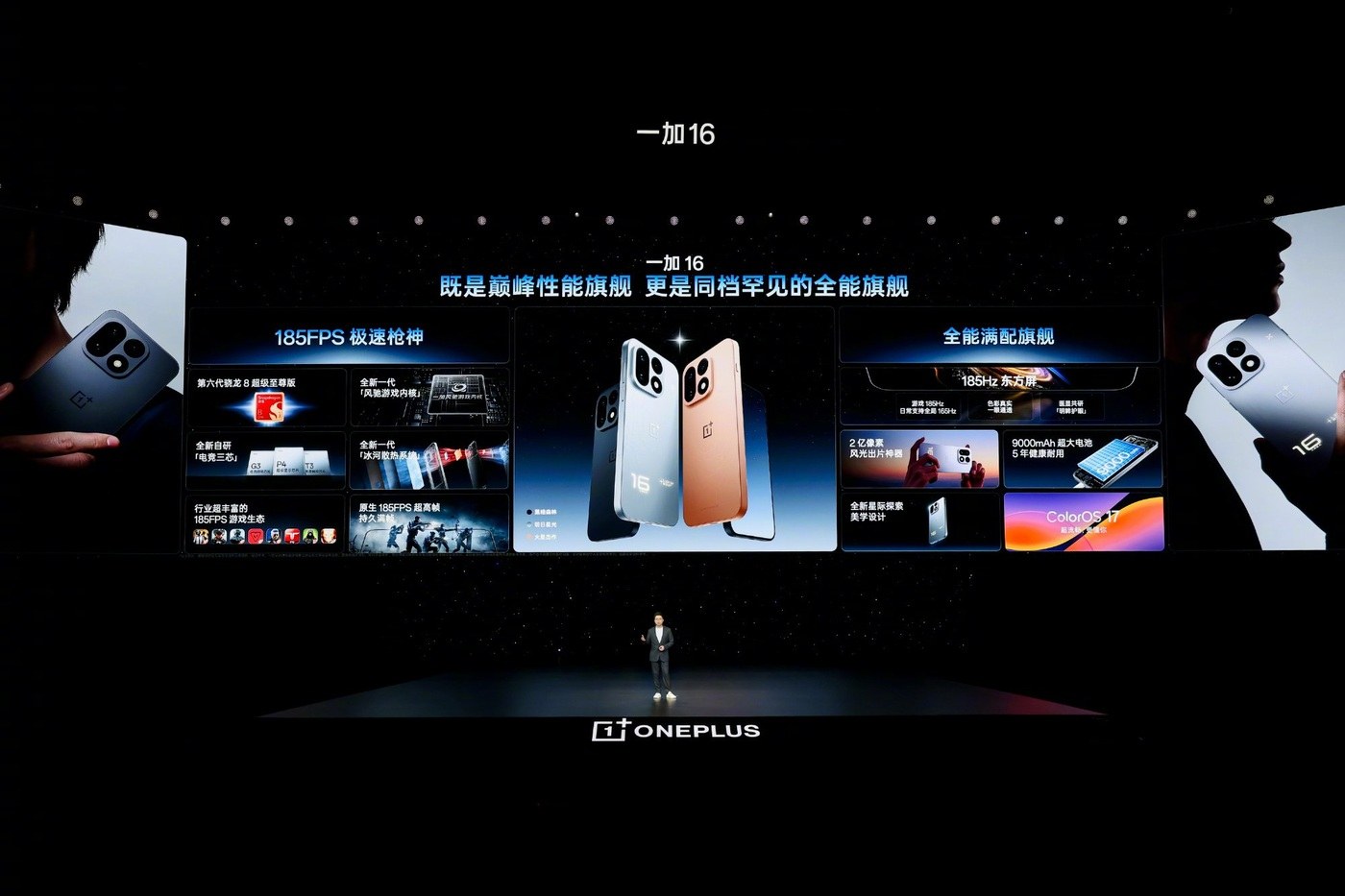 Photo: OnePlus
“Consumers are holding on to their devices longer than estimated, increasingly considering refurbished devices and prioritizing higher-value devices,” Counterpoint senior analyst Shilpi Jain said in the note carried by wire coverage.
Samsung kept the No. 1 slot with a 23% share even as its shipments slipped about 3% year over year. Counterpoint credited demand for the Galaxy Z Fold8 series and steadier component supply for mid-range models. Apple’s share reached 22%, the first time it has cleared 20% in a third quarter, despite a year-over-year shipment decline. The research house said the missing base iPhone 18 model meant a smaller launch-month channel fill than the full iPhone 17 lineup a year earlier.
 Photo: Nothing
Xiaomi’s shipments fell more than 30%, cutting its share to about 10% as the company reduced exposure to lower-priced devices and some overseas markets. Oppo and vivo each posted declines of more than 20%, with shares near 9% and 8% respectively after price hikes across entry and mid-range lines. Oppo also consolidated overlapping Oppo, realme and OnePlus operations, Counterpoint said.
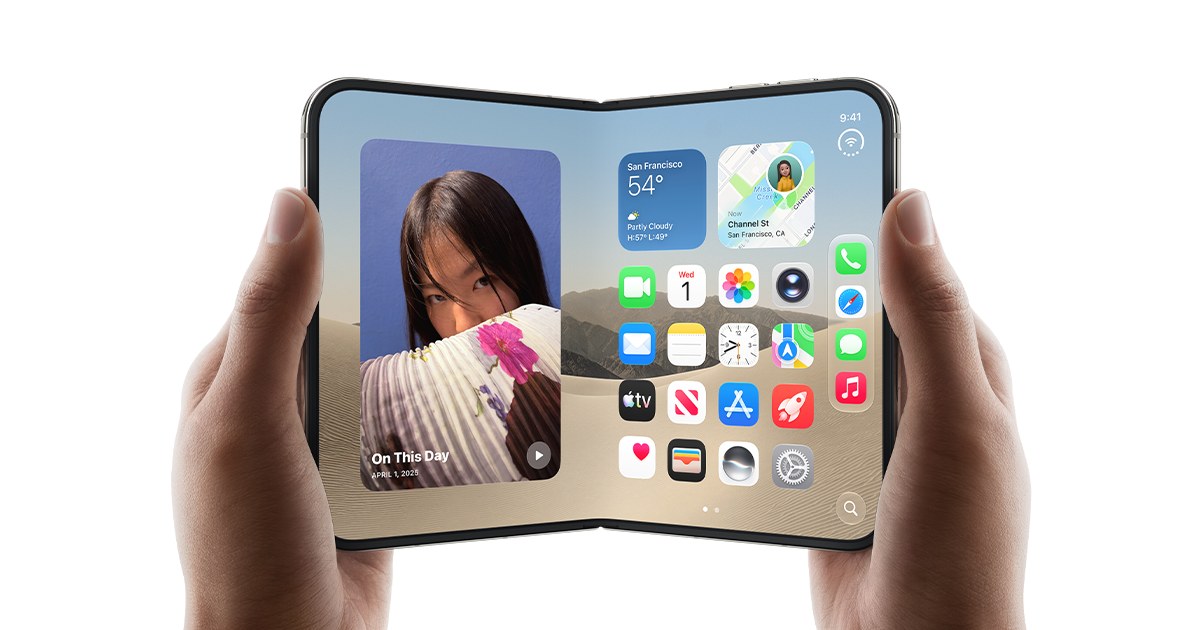 Photo: Apple
 Photo: Acer
Counterpoint warned the rest of 2026 looks difficult. Production cuts, tighter portfolios and a premium tilt are likely to continue, while price-sensitive segments stay squeezed by higher device prices and scarce components. A meaningful volume recovery, the firm said, is unlikely until memory costs and supply ease.