Gadgets
Serve Robotics Opens Its 2,000 Sidewalk Delivery Robots to Any Developer, and to AI Agents
A new developer portal lets apps, small businesses and AI assistants quote, dispatch and track Serve's robots with three API calls, starting in a sandbox of simulated robots.
San Francisco · Noah Park, Gadgets · Nov 11 2026
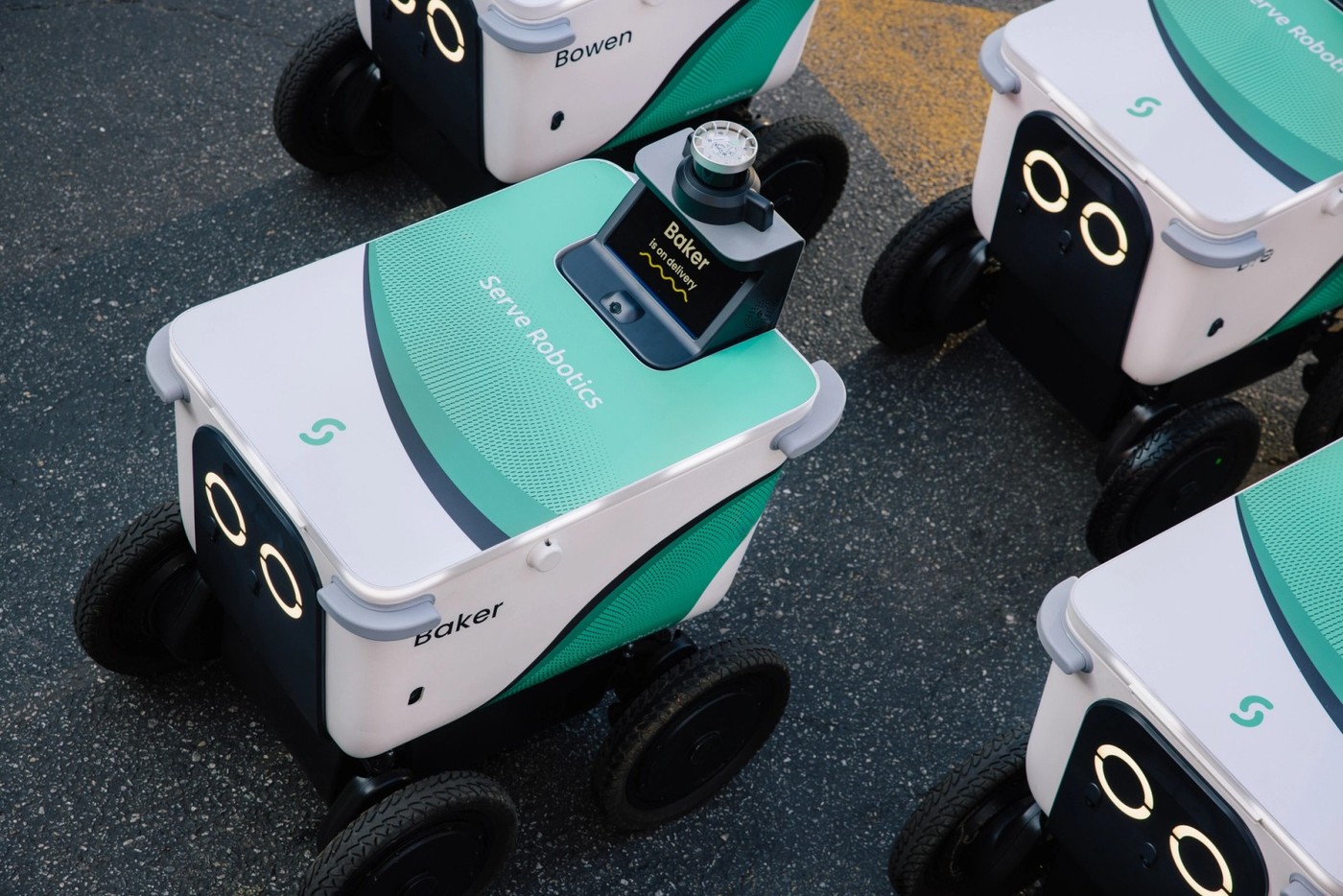
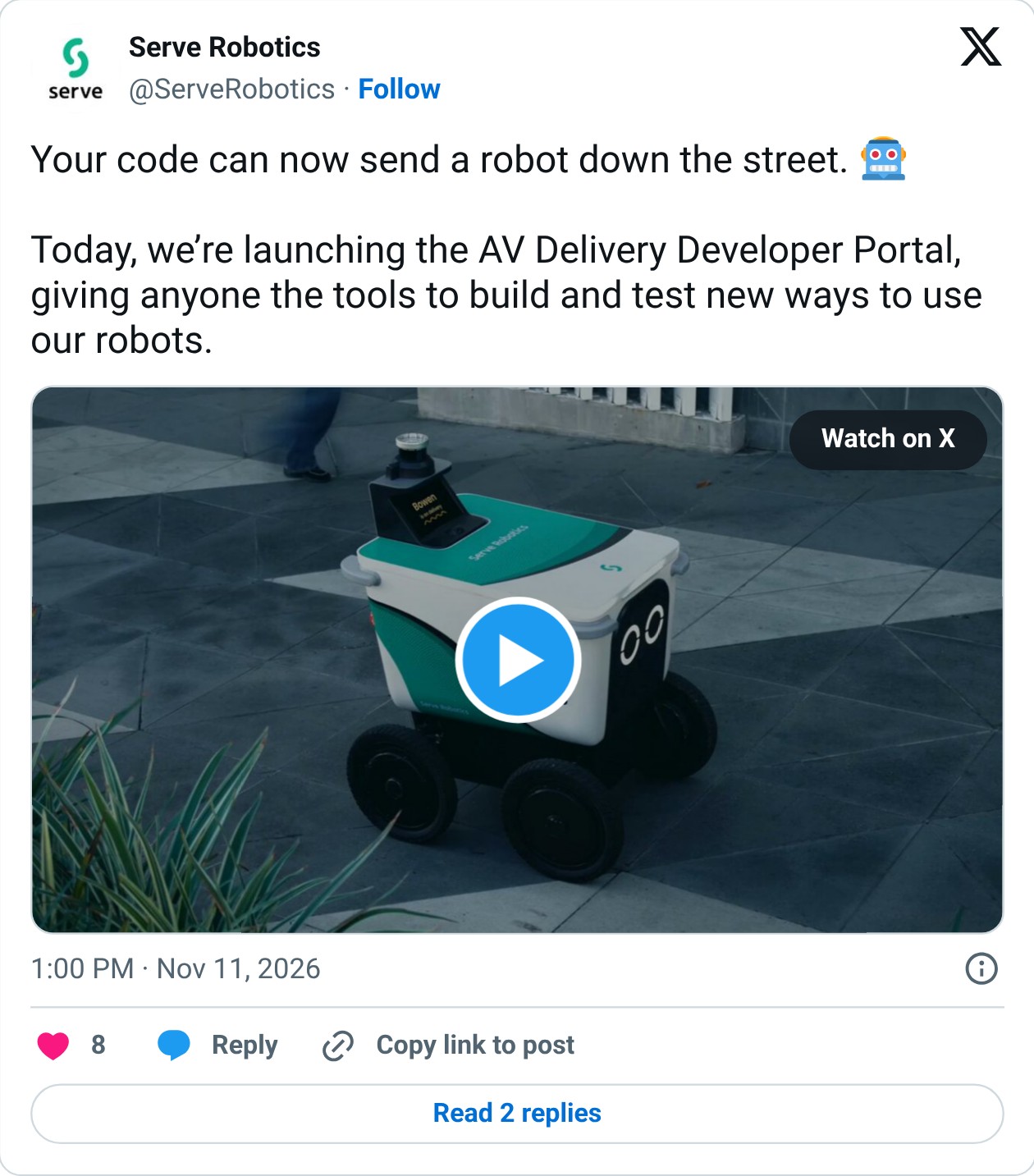
SAN FRANCISCO - Serve Robotics, the company behind the boxy sidewalk robots that carry takeout in Los Angeles, Miami and Dallas, is letting anyone summon them. On Wednesday it launched the AV Delivery Developer Portal, a public API and test sandbox that let independent developers, hobbyists, businesses and AI assistants dispatch robots from its fleet with a few lines of code.
Until now, Serve’s robots have only been reachable through delivery partners such as Uber Eats. The company says they have completed hundreds of thousands of deliveries across more than 150 neighborhoods in 20 U.S. cities. Opening the fleet means a local shop, an office or an app developer in one of those neighborhoods can book a robot directly.
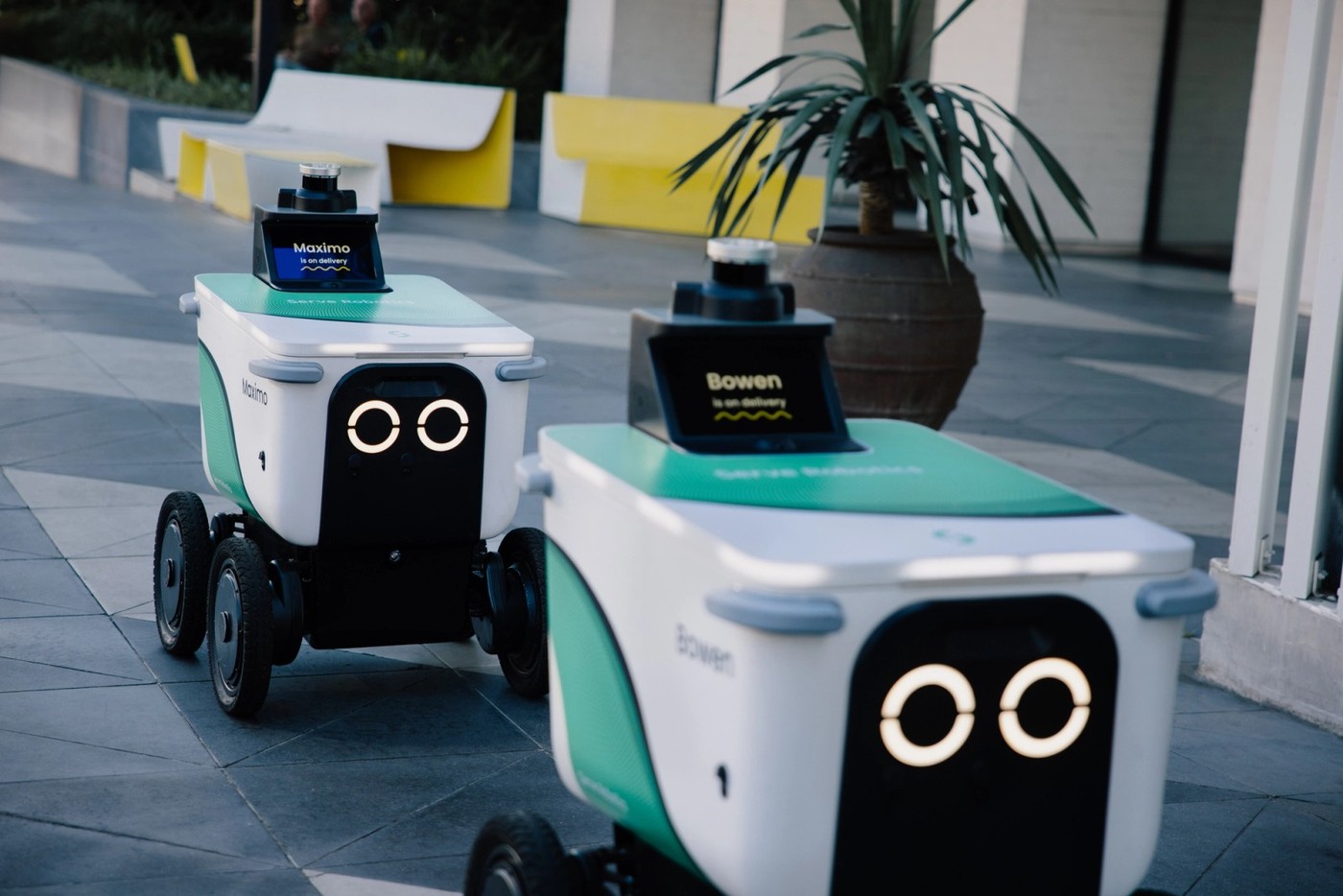 Image: Serve Robotics
“You shouldn’t have to start a robotics company to build something useful with robots,” Ali Kashani, Serve’s co-founder and chief executive, said in the announcement. “We’ve spent years figuring out how robots can navigate neighborhoods. The people who live and work there will have needs we haven’t thought of.”
The developer site describes the whole job in three REST calls. An app or agent sends a pickup and dropoff point and gets back a fee and an estimated arrival time; the quote expires after five minutes and can be used once. A second call accepts the quote and sends a nearby robot to the pickup. A third tracks it block by block until the bin is emptied and the job reads as complete. A sandbox with simulated robots lets builders run that workflow and rehearse edge cases before a real robot moves.
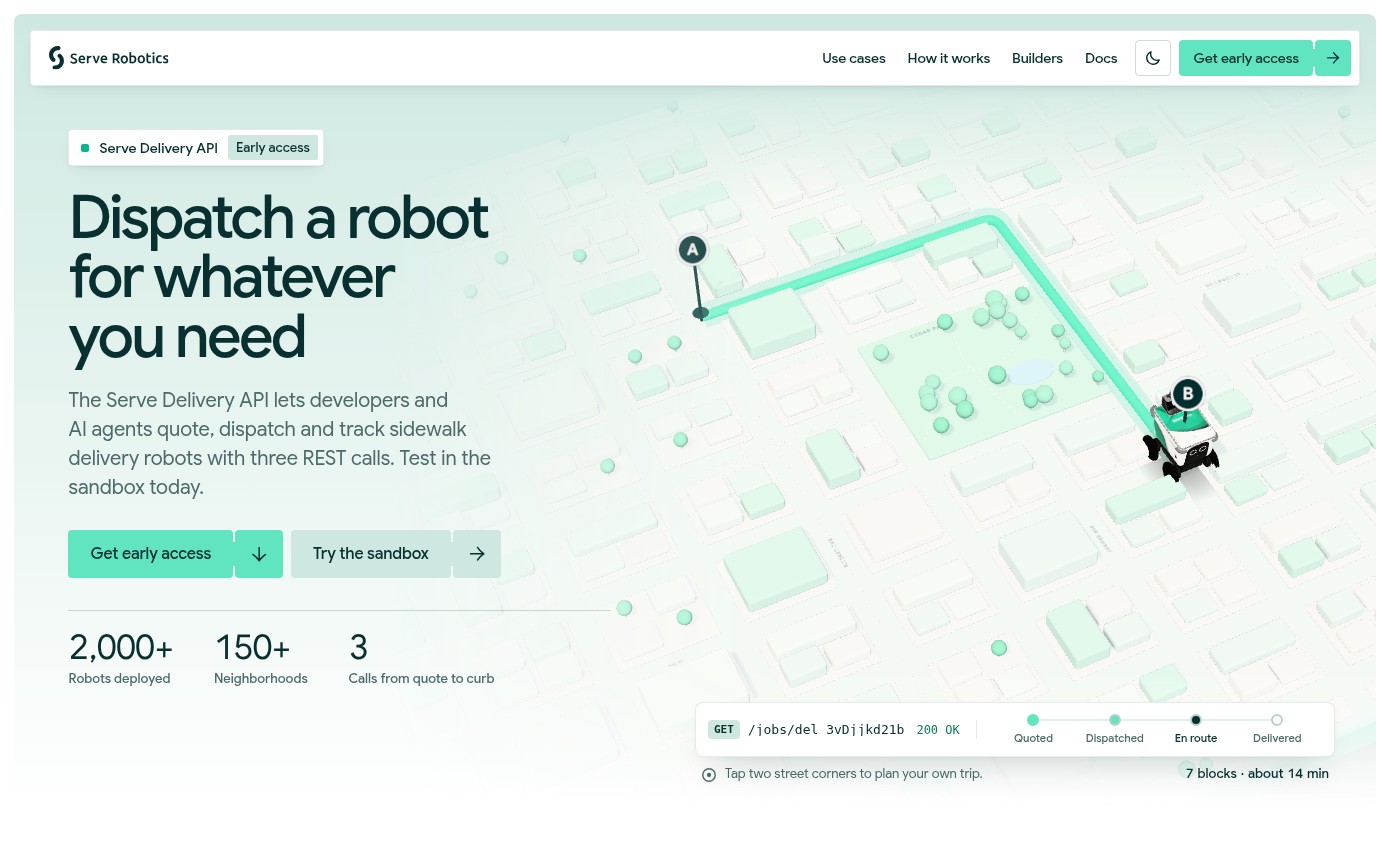 Screenshot: Serve Robotics
There are limits. Access to live robots requires Serve’s approval, and the site labels the program early access and says its examples are “illustrative use cases only.” Deliveries are restricted to Serve’s active service areas and operating hours, and to items that fit in the robot’s cargo compartment. Robots dispatched through the API are watched by the same trained remote supervisors as any other Serve delivery.
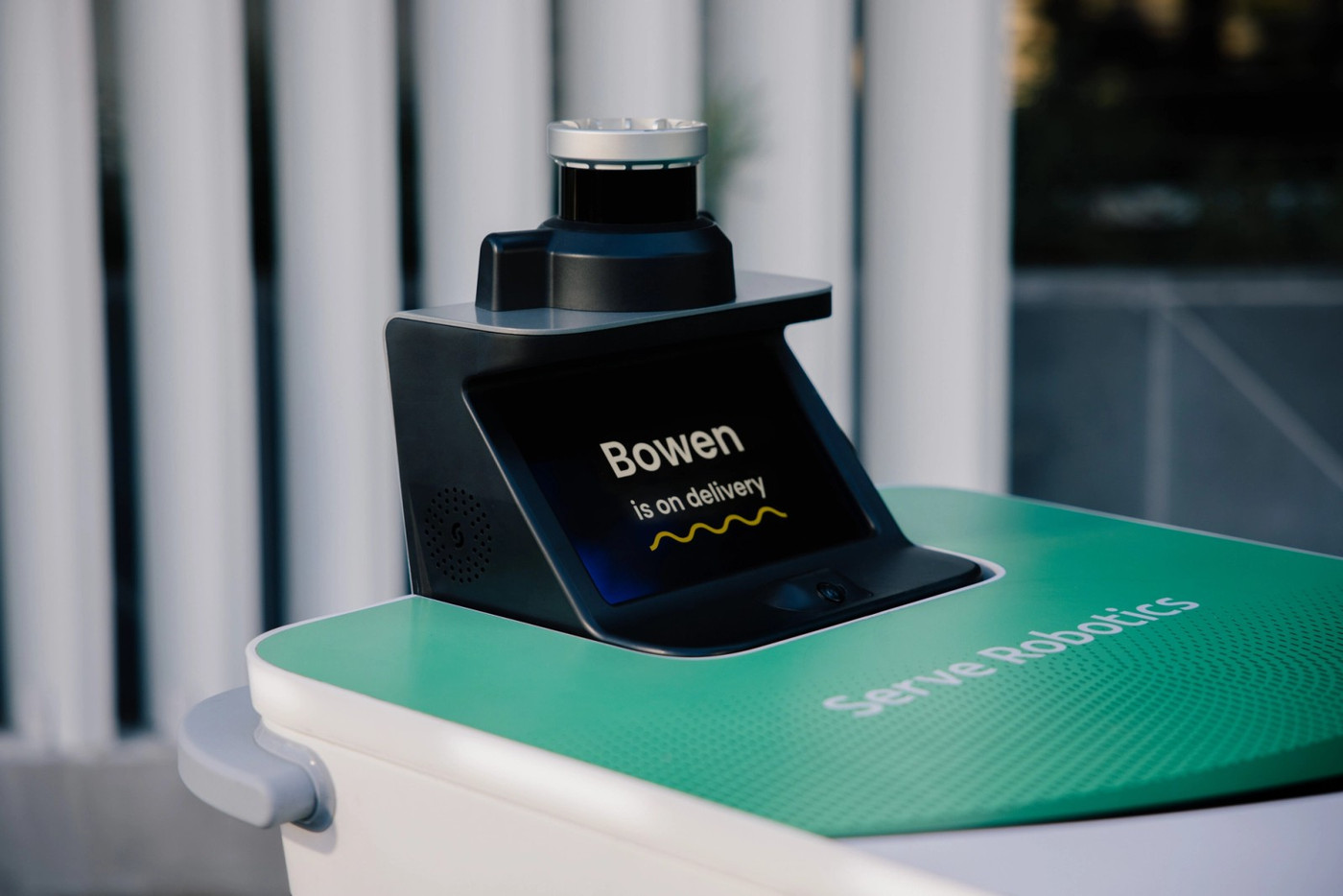 Image: Serve Robotics
Kashani told The Verge that customers will be able to pay per delivery or reserve robots by the hour, and that API requests will be treated the same as orders from large partners. He said Serve staff will still approve each use manually to keep out hazardous jobs and illicit cargo. The robots travel at around 6 mph, according to The Verge.
The launch follows Serve’s Nov. 5 debut of Physical AI Services, which licenses the technology behind its robots to other robot makers. Serve spun off from Uber in 2021, says it has deployed more than 2,000 robots in the United States and Australia, and this year bought Diligent Robotics, which makes indoor service robots for hospitals.
 Screenshot: @ServeRobotics on X