AI
Runway Opens Up Praxis-1, Its Robot-Control Model, With Free Weights Anyone Can Run
The AI video company best known to filmmakers is giving robot builders a 27-billion-parameter model that learned how objects move from video, under an Apache 2.0 license that allows commercial use.
New York · Jordan Hale, AI · Nov 12 2026
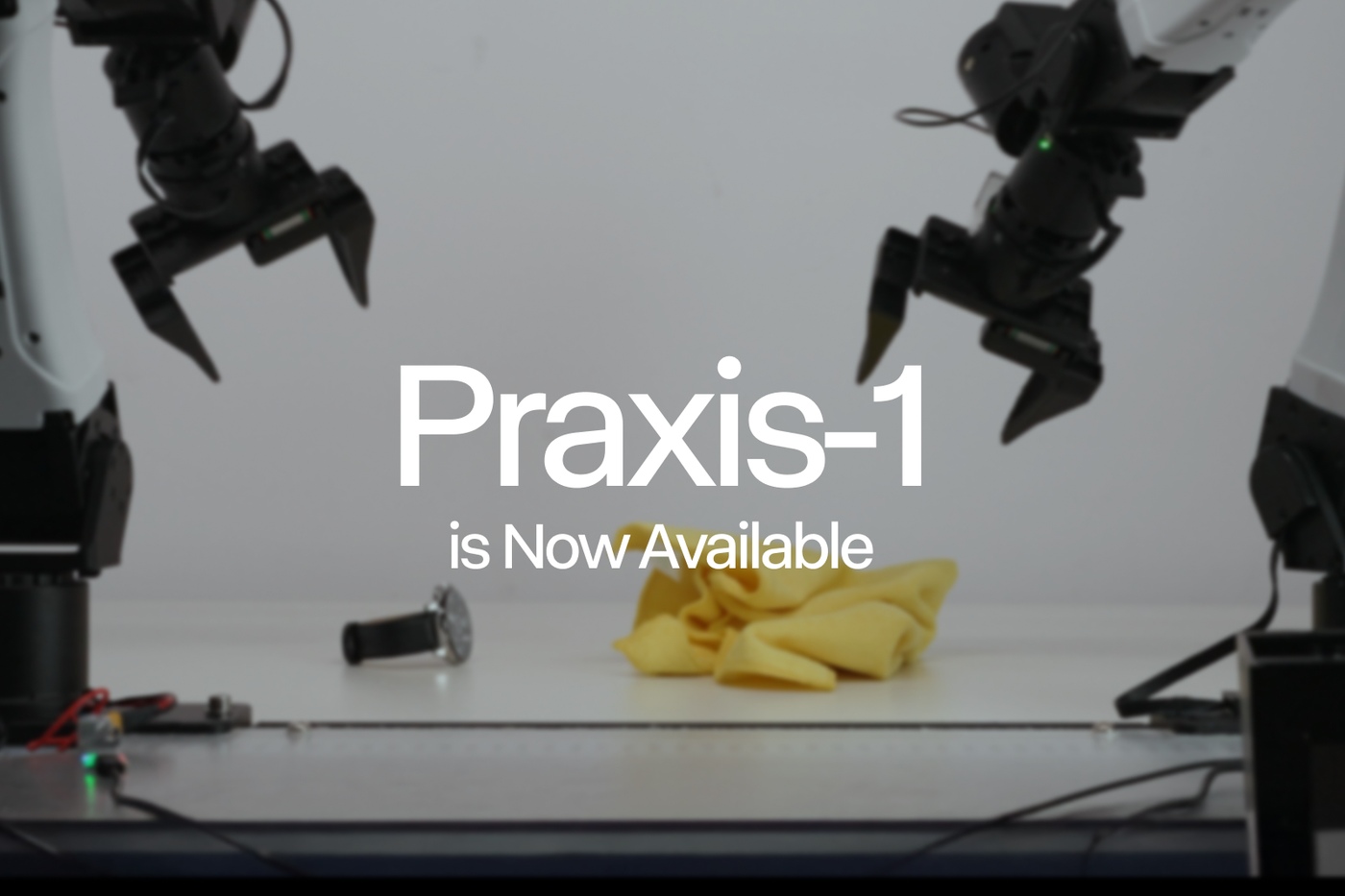
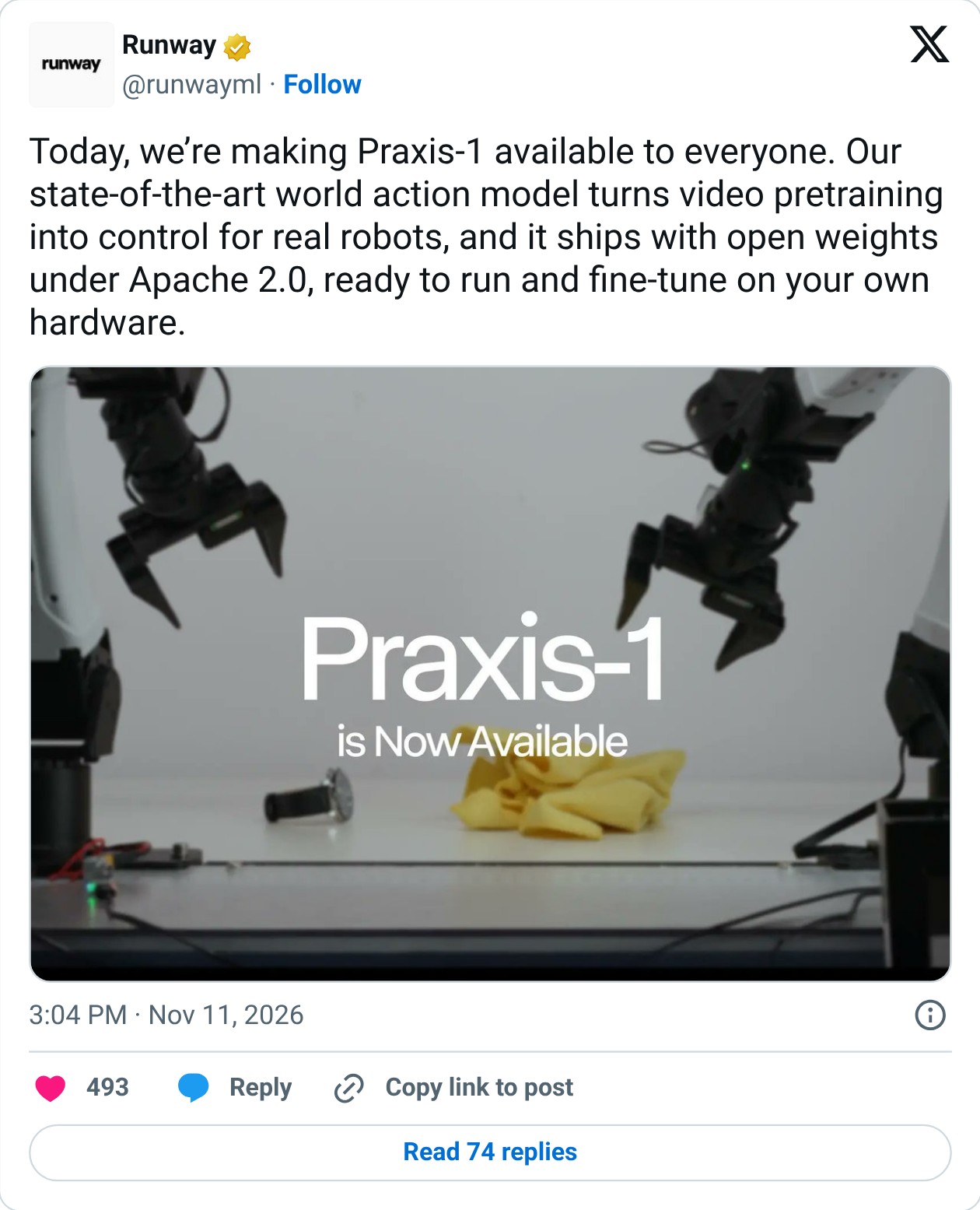
NEW YORK - Runway made its name selling AI video tools to filmmakers and creators. Now it is handing robot builders the model it trained to move machines. On Wednesday the company made Praxis-1 available to everyone with open weights under the Apache 2.0 license, which permits commercial use, after introducing it in September as its first “world action model.”
The bet behind Praxis-1 is that a model trained to predict video can also learn to drive a robot. Runway describes it as a 27B-parameter mixture-of-experts diffusion transformer “that predicts video and actions together,” built on the same large-scale video pretraining behind the company’s general world models. Launch partners Noble Machines, Standard Bots and Ultra have been running it on their own hardware: a legged humanoid, a six-axis industrial arm and a dual-arm warehouse robot.
Screenshot: @runwayml on X
The release is complete rather than a teaser. It covers the weights plus the inference and fine-tuning code, with support for both full fine-tuning and LoRA. Praxis-1 is on GitHub, on Hugging Face with native LeRobot support, and in vLLM-Omni, with hosted inference on Reactor. Runway says it runs out of the box on NVIDIA hardware, from data center GPUs such as the H100 and B200 to workstation cards such as the RTX 5090 and RTX PRO 6000, and on Jetson Thor aboard the robot itself.
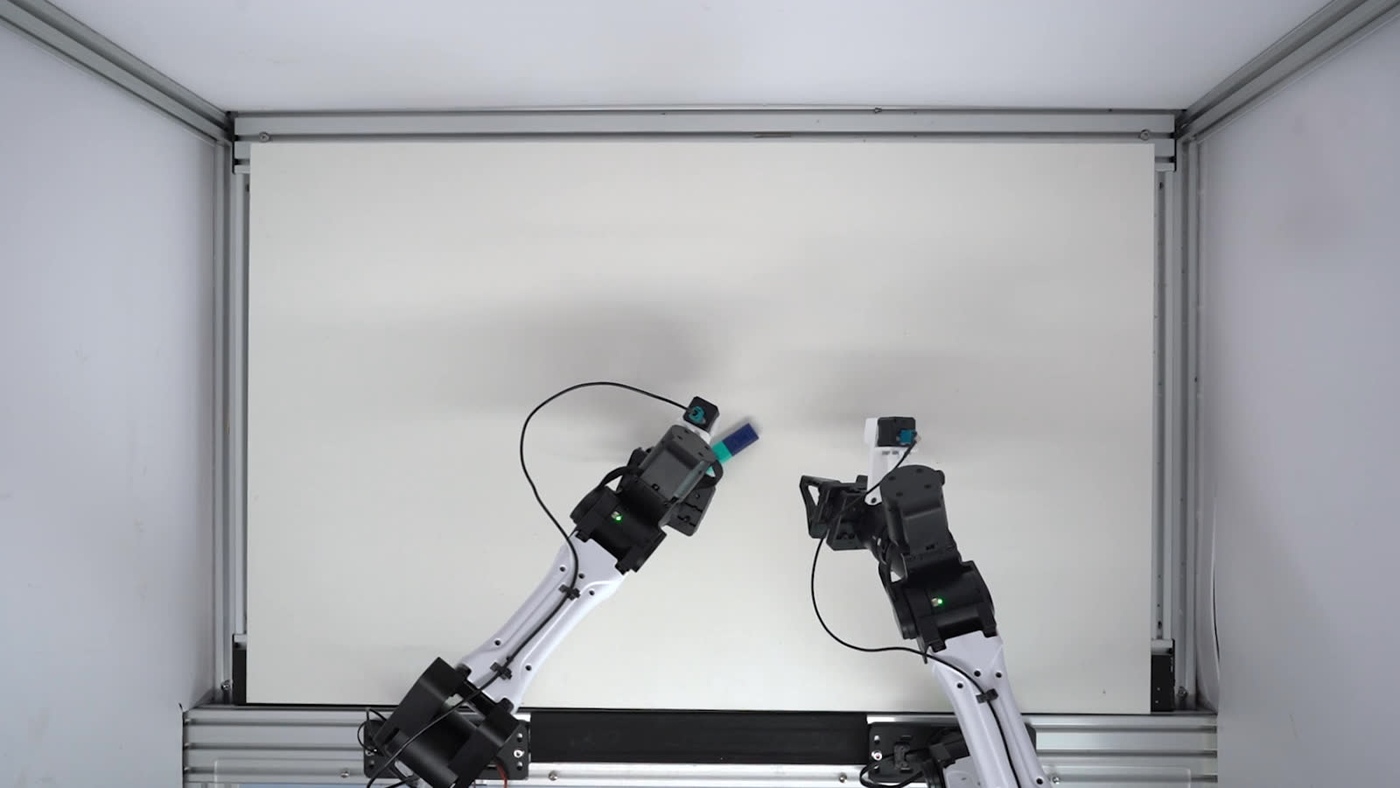
Image: Runway
Runway’s numbers are strong, and they are Runway’s numbers. The company says Praxis-1 is the top-performing world action model on NVIDIA’s RoboLab-120 leaderboard, reaching 46.2% success across 1,200 episodes, compared with 42.9% for FLUX 3 Action, 36.8% for Cosmos3 Nano and 28.0% for pi0.5. Fine-tuned on Google’s RT-1 robot, which Runway says never appeared in its training data, Praxis-1 reached 80.0% success on SimplerEnv, against 52.4% for the original RT-1 policy.
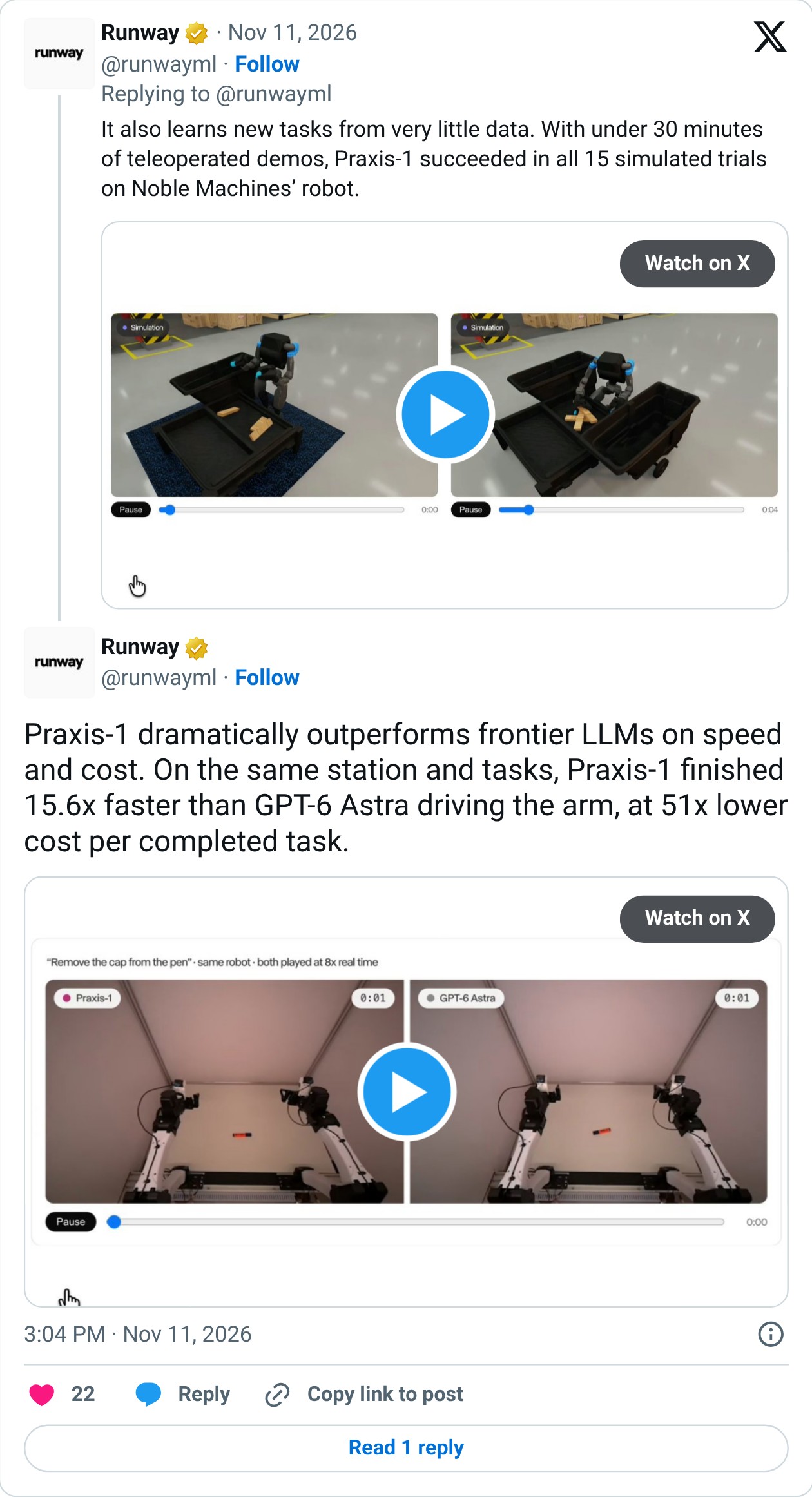
The company also went after the idea of letting a general chatbot steer a robot arm. “On the same station and tasks, Praxis-1 finished 15.6x faster than GPT-6 Astra driving the arm, at 51x lower cost per completed task,” Runway posted on X. In the same thread it said that with under 30 minutes of teleoperated demos, Praxis-1 “succeeded in all 15 simulated trials on Noble Machines’ robot.”
Screenshot: @runwayml on X
Why give it away? Runway frames the release as part of a push for American openness in physical AI. “Open weights give hardware developers the flexibility to run, inspect and adapt a world action model on their own terms,” the company wrote, adding that the release builds on its work as a founding member of the Cosmos Coalition alongside NVIDIA. The research claim underneath is the interesting part. Runway says its work has shown that web video “matches teleoperated robot video as pretraining data for policy performance.” If that holds up outside Runway’s own tests, ordinary video, not costly hours of humans steering robots by remote control, becomes the main ingredient.
Video: Runway on YouTube
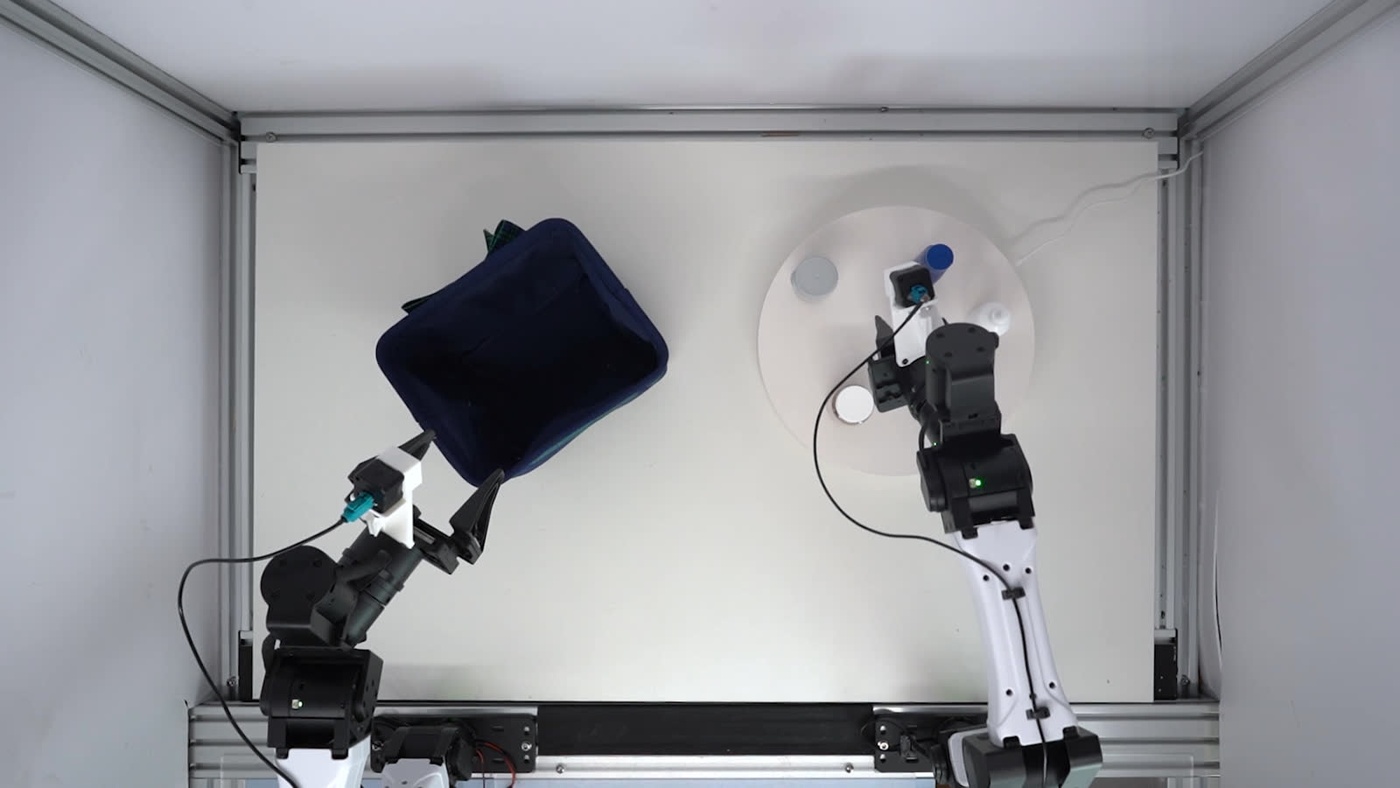
Image: Runway
For a robotics team, the path is short. Download the model from Hugging Face, adapt it with LoRA to your own arm, cameras and tasks, or try it on Runway Dev. Runway points developers to NVIDIA’s NeMo Automodel tutorials for post-training on domain-specific work. Now that anyone can run Praxis-1, outside labs can check the leaderboard claims for themselves, which is the best argument for shipping it open.