Gadgets
Hugging Face's Reachy Mini Robot Gets Wheels, a Phone App and Hats That Change Its Personality
Pollen Robotics' $149 Hoverboard base lets the open-source desk robot roam a room, and a $35 pack of NFC hats switches its character with a snap.
Bordeaux, France · Noah Park, Gadgets · Oct 30 2026
BORDEAUX, France - Reachy Mini, the small open-source robot from Hugging Face, has spent its life on a desk. Now it can leave. Pollen Robotics, the Bordeaux robotics team that Hugging Face acquired last year, on Thursday introduced a set of add-ons it calls Level Up: a $149 wheeled base named Hoverboard, a $35 pack of hats that change the robot’s personality, and a mobile app that lets owners set up and run the robot without a computer, according to Pollen’s product page.
“Reachy Mini can finally move!” Thomas Wolf, Hugging Face’s co-founder and chief science officer, wrote on X. In a follow-up post he said more than 10,000 Reachy Minis are already out in the world.
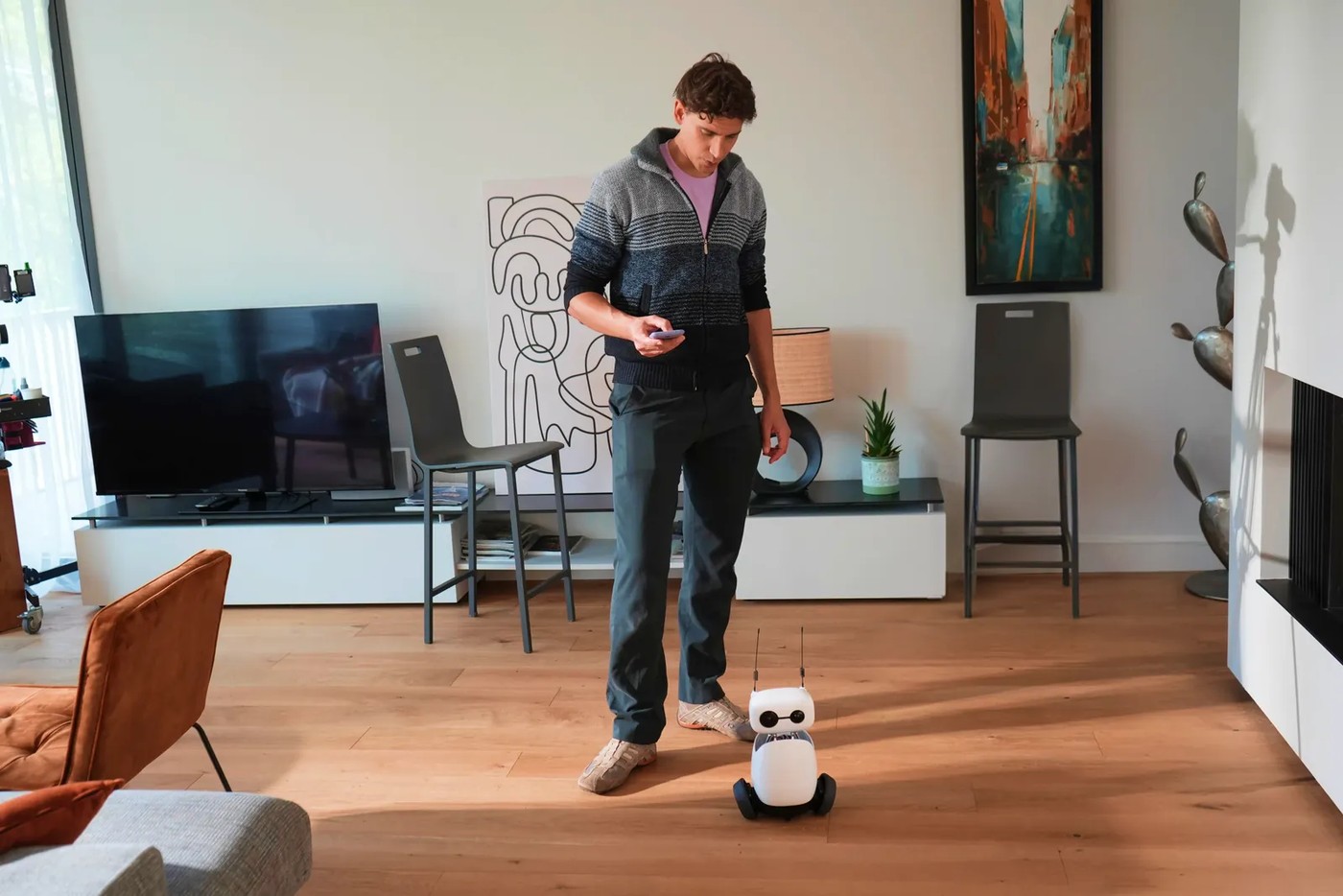 Image: Pollen Robotics
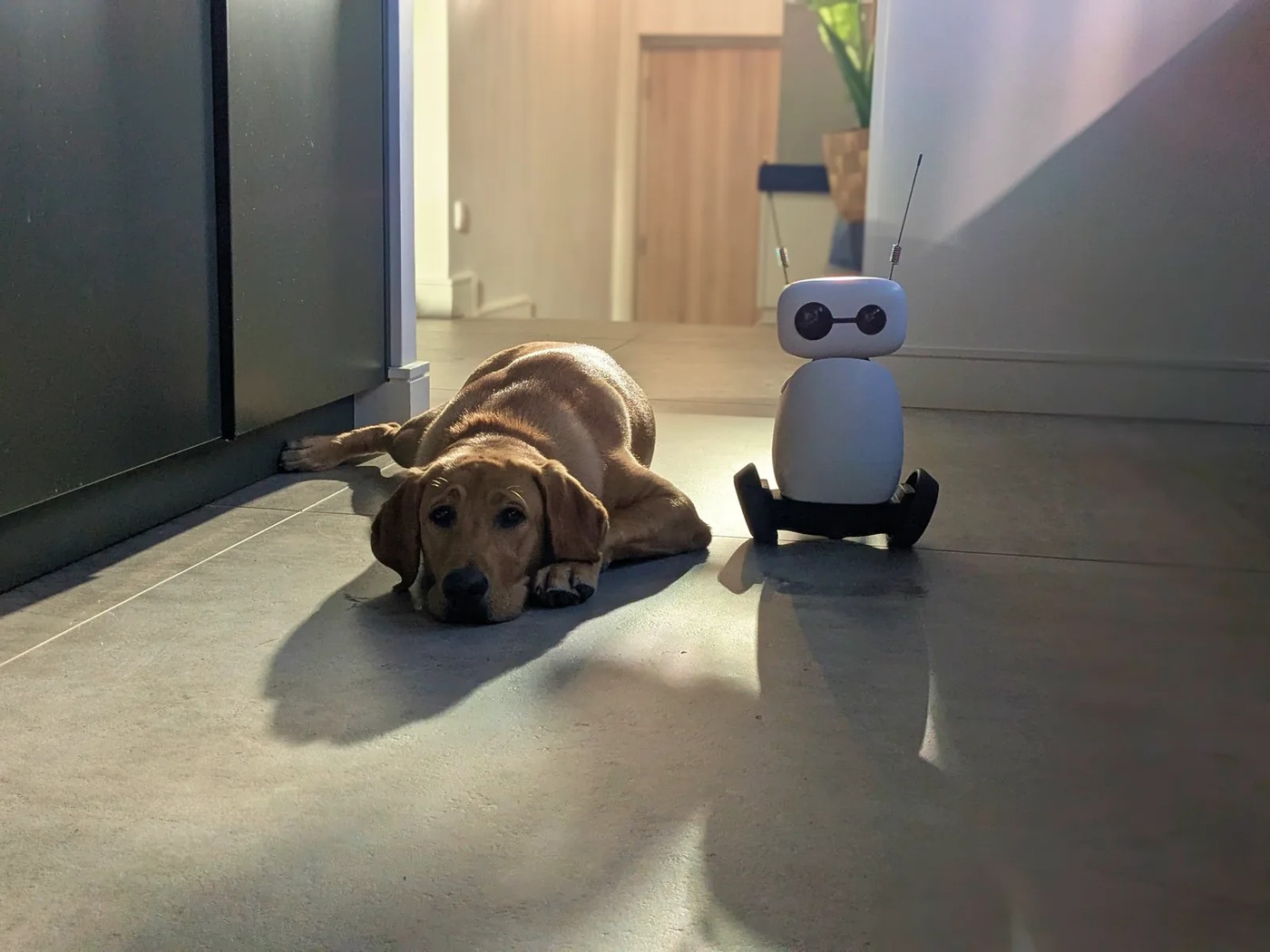
The Hoverboard is a compact two-wheeled base. Owners set the robot on top, lock it in place and drive it from the Reachy Mini app, which shows dual on-screen joysticks for the wheels and the head along with a live feed from the robot’s camera, Pollen’s store listing says. The base arrives fully assembled, with two motorized wheels on soft tires, its own battery and electronics, and Bluetooth, Wi-Fi and USB-C. Built-in anti-tip supports let it sit down and stay put when it stops or powers off.
There is a catch for some owners. The Hoverboard works only with Reachy Mini Wireless, the $499 version that has a Raspberry Pi CM4 computer and a battery inside. It does not fit Reachy Mini Lite, the $399 model that plugs into a Mac, PC or Linux machine over USB and borrows that computer’s processing. Pollen lists the first Hoverboard orders for dispatch at the end of January 2027.
 Screenshot: @pollenrobotics on X
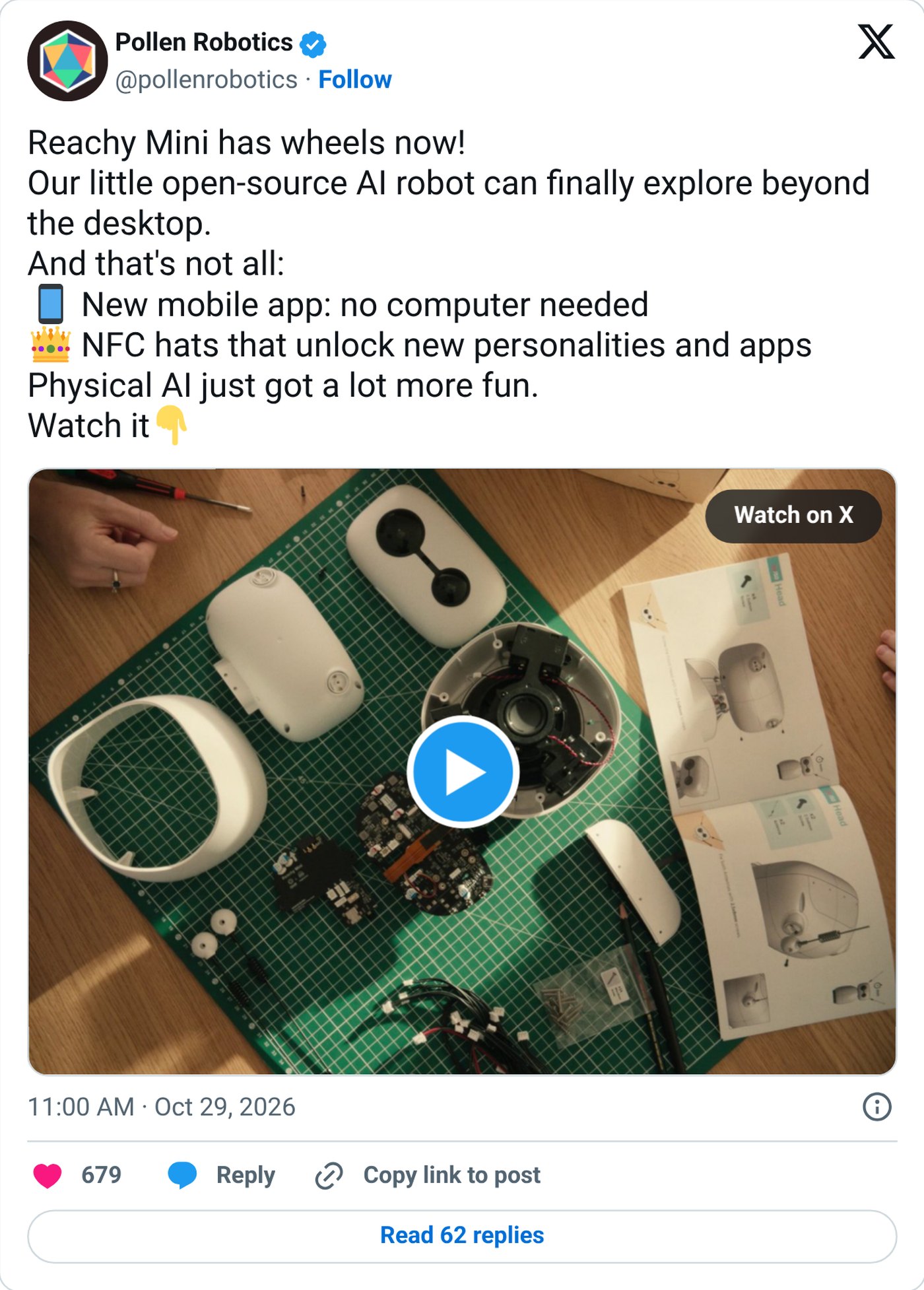
The hats are the playful part. The NFC Accessory Pack includes a small reader module that owners fit inside the robot’s head with four screws, plus magnetic chef, crown and pirate hats, each carrying an NFC tag, according to the pack’s listing. Snap one on and Reachy Mini switches to that character in its conversation app. Four spare tags and eight magnets let owners tie their own objects to a new personality or to code they write. The pack works with both Wireless and Lite, Pollen says the first 100 kits are made in Bordeaux, and it is also due to start shipping at the end of January.
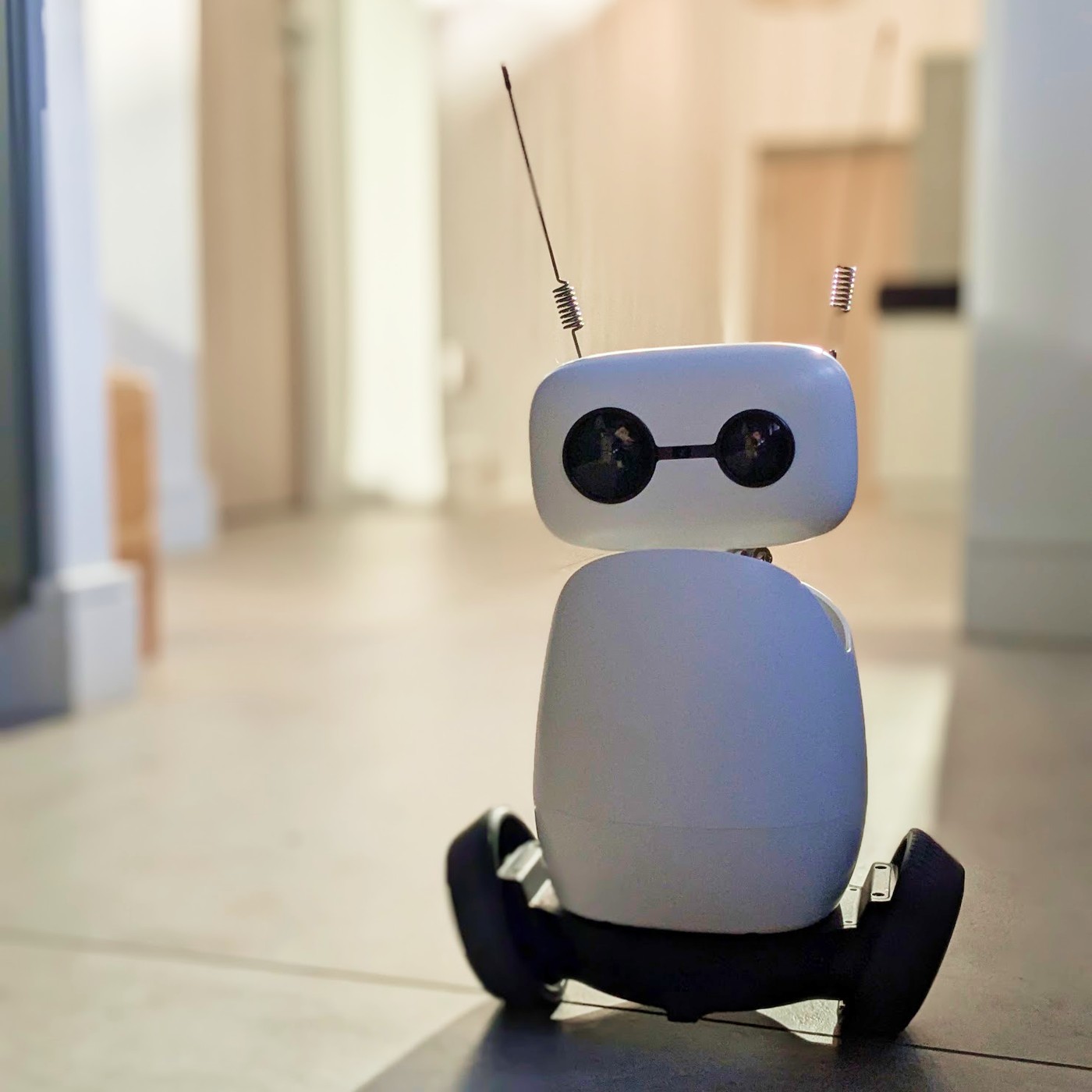 Image: Pollen Robotics
The new app may matter most to first-time buyers. Pollen says owners can now “set it up and use it entirely from your smartphone, without ever needing a computer.” The robot itself still arrives as a kit that takes about two and a half hours to build, with tools included and no soldering. It has a camera, four microphones and a speaker, and Pollen counts more than 500 community apps that install with one click and more than 400 shareable moves.
Owners should also know about a quieter change. Version 1.13.0 of the Reachy Mini software, released on Oct. 26, sends a handful of anonymous usage events to the analytics service PostHog by default, according to Pollen’s release notes on GitHub. Pollen says the events never include IP addresses, robot names, Hugging Face identities, hardware IDs, logs or media, and a “Share anonymous usage data” switch in the desktop and mobile apps turns them off.
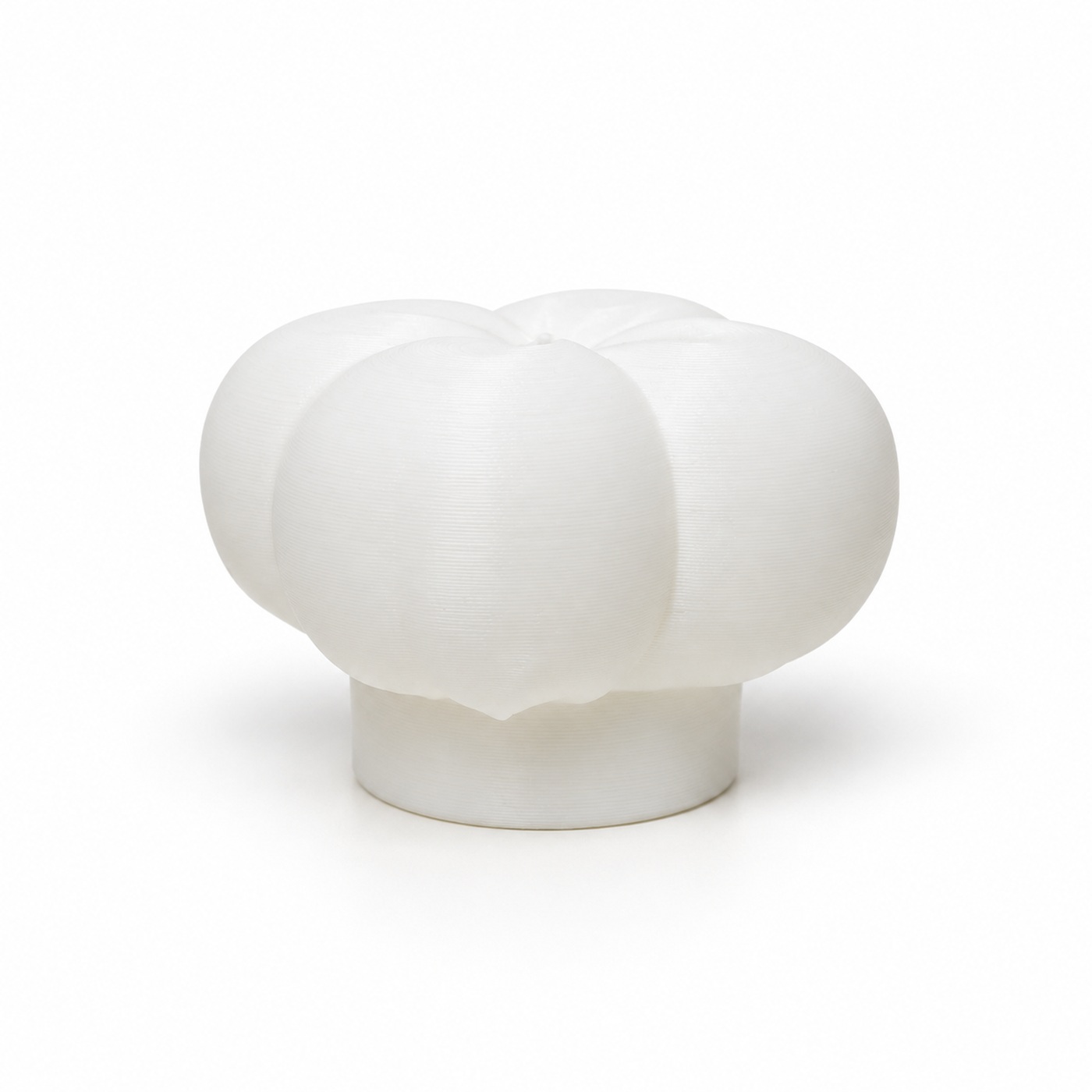 Image: Pollen Robotics
Pollen’s prices exclude shipping, import duties and taxes, so a Wireless robot with the new base comes to $648 before those costs. That is more than many toy robots cost, though few of them ship with open-source code that owners can rewrite. The question is whether a desk companion on wheels finds a job around the house beyond following the family dog.
Video: Pollen Robotics / YouTube