Gadgets
Raspberry Pi Raises the 16GB Raspberry Pi 5 to $385 as Memory Shortages Bite
The $80 increase leaves the top model at more than three times its $120 launch price. The company is holding the price of its Raspberry Pi 500+ keyboard computer.
Cambridge, England · Noah Park, Gadgets · Nov 3 2026
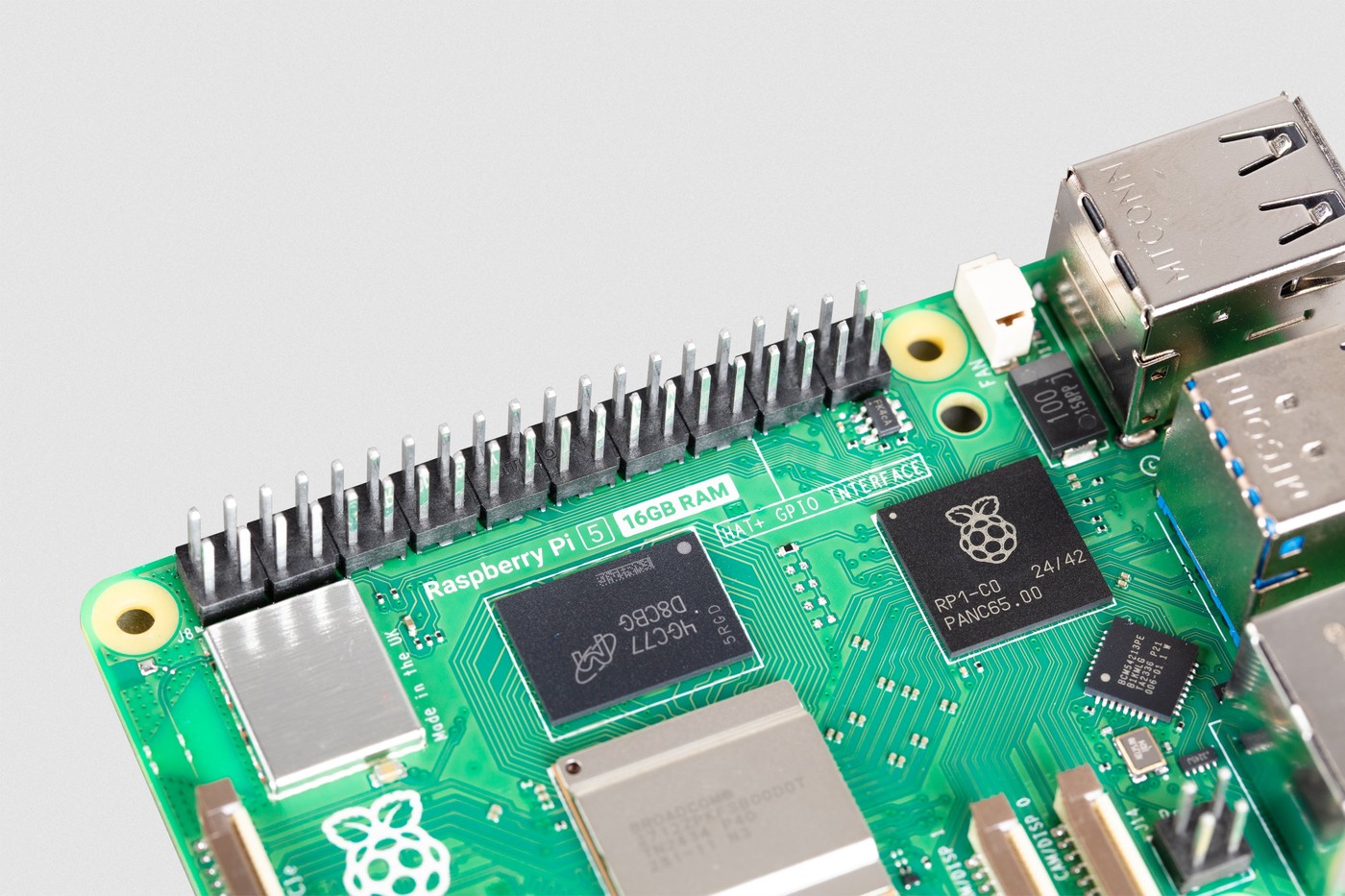
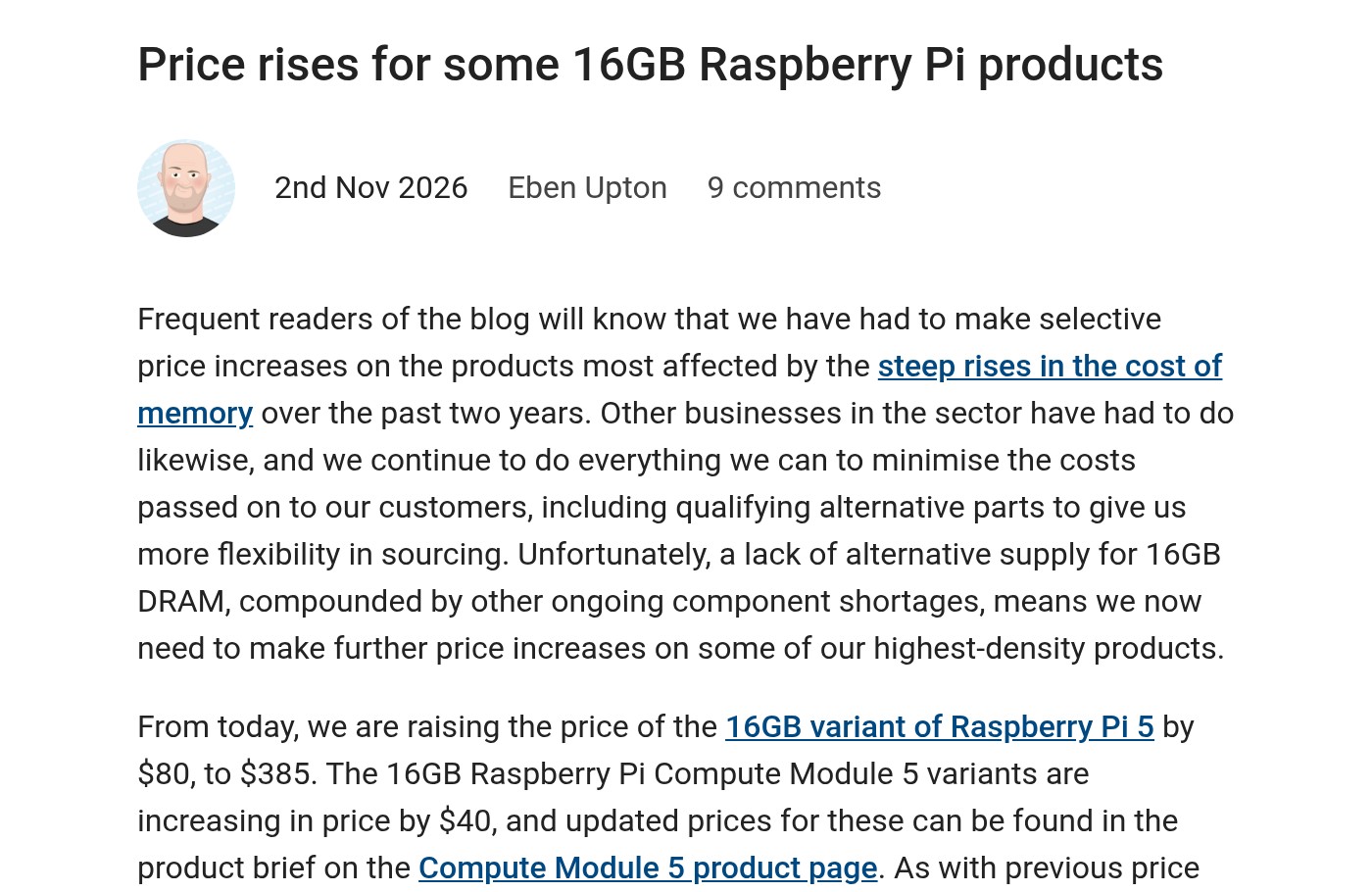
CAMBRIDGE, England - The most powerful Raspberry Pi 5 just got a lot more expensive. Raspberry Pi said on Monday, Nov. 2, that it was raising the price of the 16GB version of the single-board computer by $80, to $385, effective immediately. The 16GB variants of its Compute Module 5 are going up by $40.
 Screenshot: Raspberry Pi
In a post on the company’s blog, Eben Upton, the company’s chief executive, blamed “a lack of alternative supply for 16GB DRAM, compounded by other ongoing component shortages.” He wrote that Raspberry Pi had already made “selective price increases on the products most affected by the steep rises in the cost of memory over the past two years,” and that it was qualifying alternative parts to give itself more flexibility in sourcing.
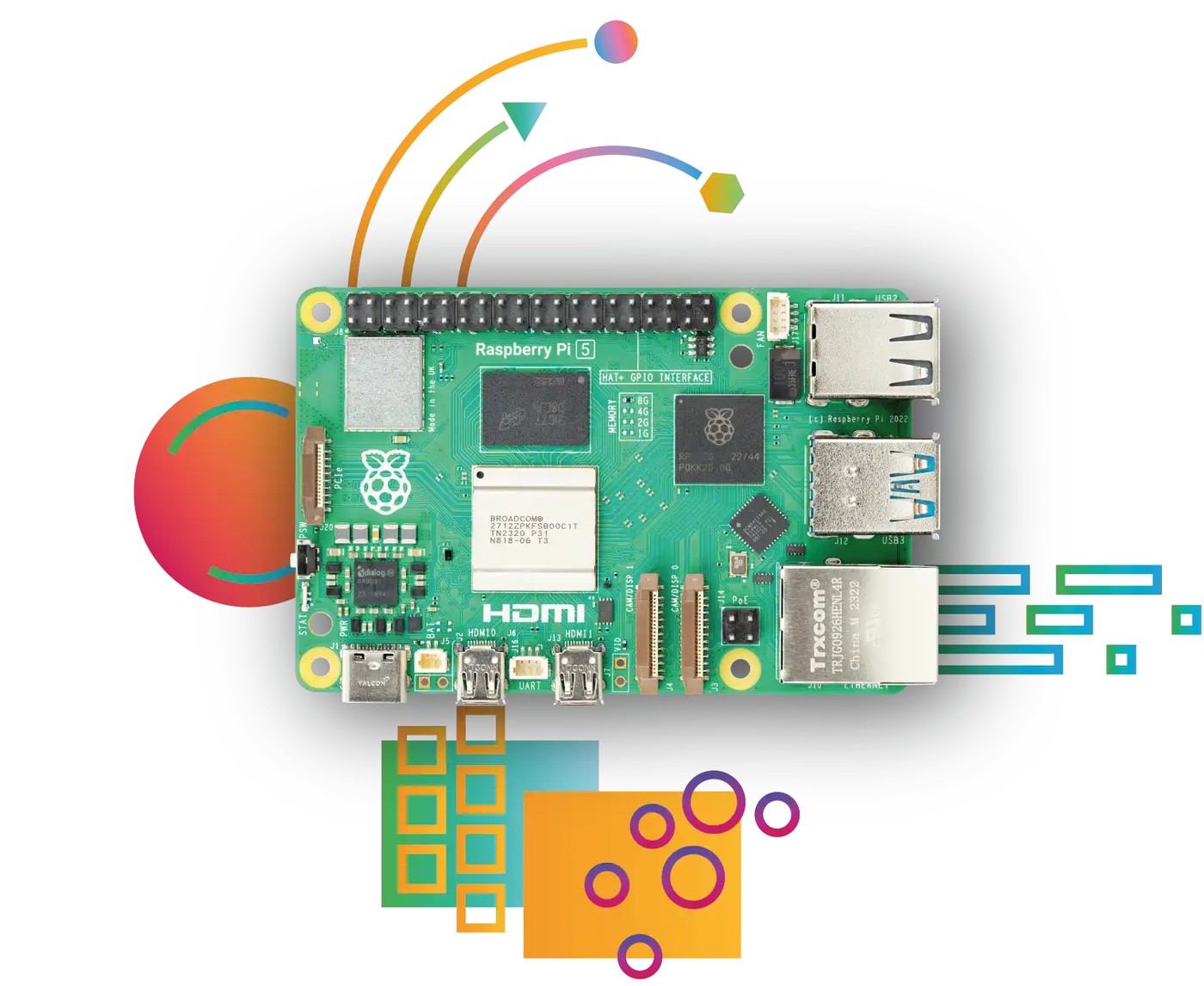 Image: Raspberry Pi
The 16GB Raspberry Pi 5 launched at $120 in January 2025, according to Tom’s Hardware, so the new price is more than triple that. The increase takes it from $305, the price still shown on Raspberry Pi’s product page on Tuesday. The Verge noted that the 2GB Raspberry Pi 5 also went up last month, and Tom’s Hardware put that increase at $12.50, to $77.50.
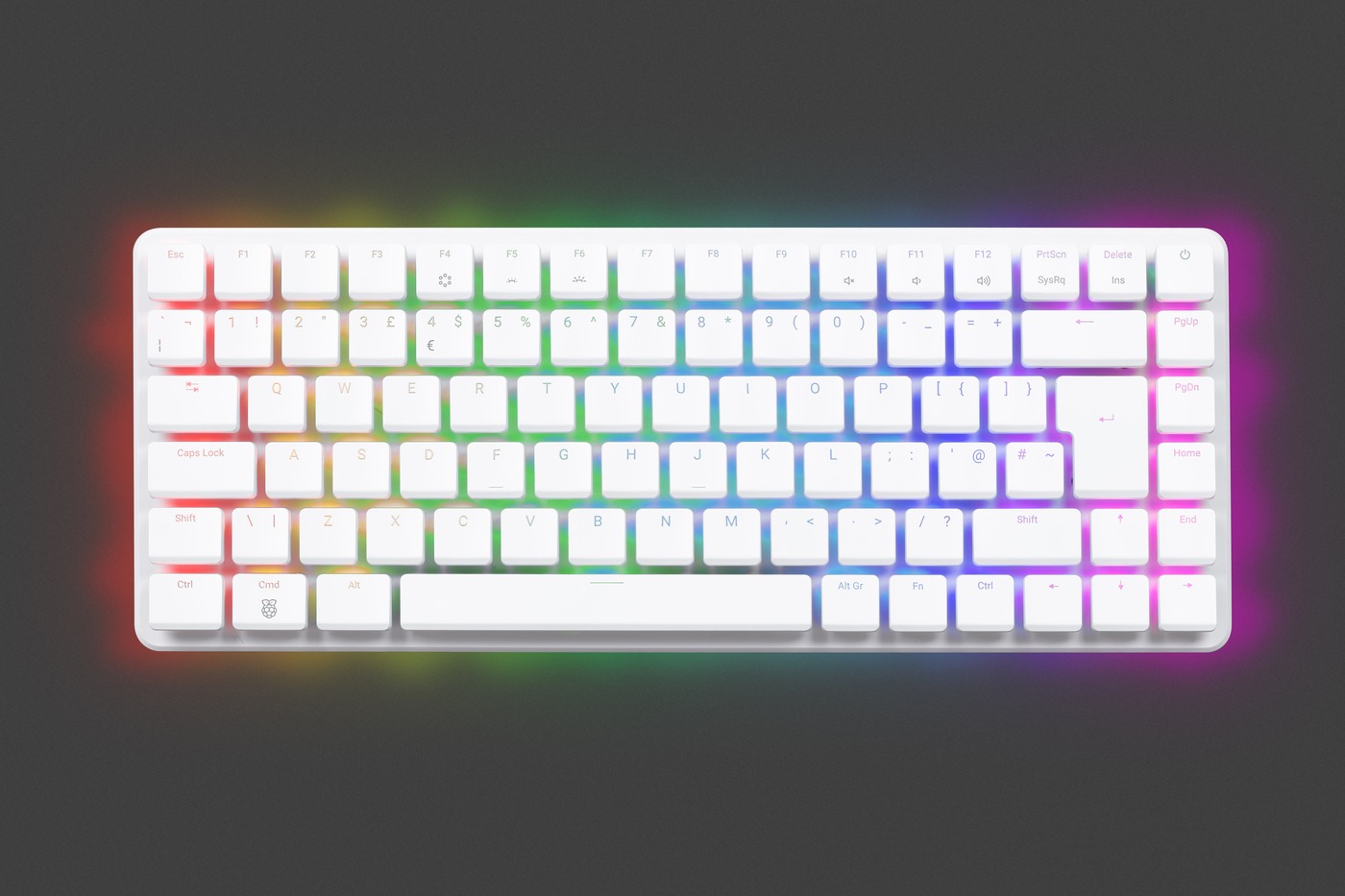 Image: Raspberry Pi
Not every product is going up. Upton said the company had avoided blanket increases across its line and was holding the price of the Raspberry Pi 500+, its premium all-in-one desktop built into a mechanical keyboard, which also has 16GB of RAM. He urged customers to make sure they are “not paying for more memory than you need,” pointing to lower-memory boards, earlier models and software optimizations, and warned that some sellers were using the shortage to sell Raspberry Pi products at inflated prices. He directed buyers to the company’s Approved Resellers.
“The current memory landscape is difficult but ultimately temporary, and we look forward to rolling back our price increases when memory costs fall once again,” Upton wrote.