Gadgets
Pimax's $1,399 Crystal Pro Uses Eye Tracking to Stream a PC's Native Image Wirelessly
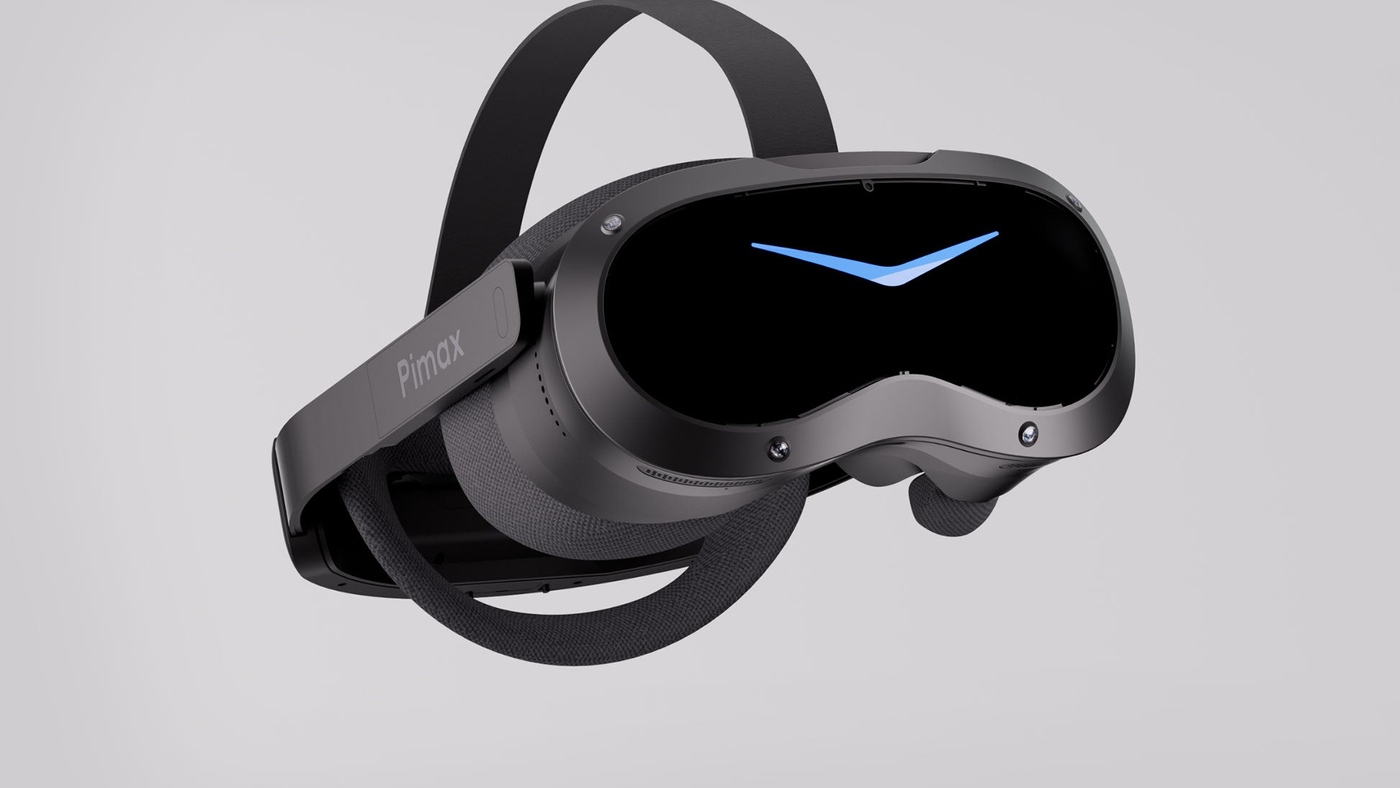
The new PC VR headset pairs 2880 by 2880 pixel panels with an optional 60GHz link that skips video encoding, and Pimax also showed ringless controllers and a compact gaming PC.
San Jose, Calif. · Noah Park, Gadgets · Oct 6 2026
SAN JOSE, Calif. - Pimax, a maker of high-end headsets for PC virtual reality, on Tuesday unveiled the Crystal Pro, a wireless headset built around a technology the company calls Native Foveated Streaming. It costs $1,399 on its own, or $1,899 bundled with Pimax’s 60G AirLink kit, and customers can reserve one today for $1 on the Pimax website. Shipping dates have not been announced.
The pitch is image quality without a cable. Most wireless PC headsets compress the video a graphics card renders before sending it over Wi-Fi, which can soften fine detail. The Crystal Pro supports that kind of streaming too, through built-in Wi-Fi and a dedicated Wi-Fi 6E adapter in the box. The optional AirLink kit takes a different route. It uses the headset’s eye tracking to send the graphics card’s native image over a 60GHz connection directly to the part of the panels where the wearer is looking, without the encoding step that Wi-Fi streaming requires, Pimax said.
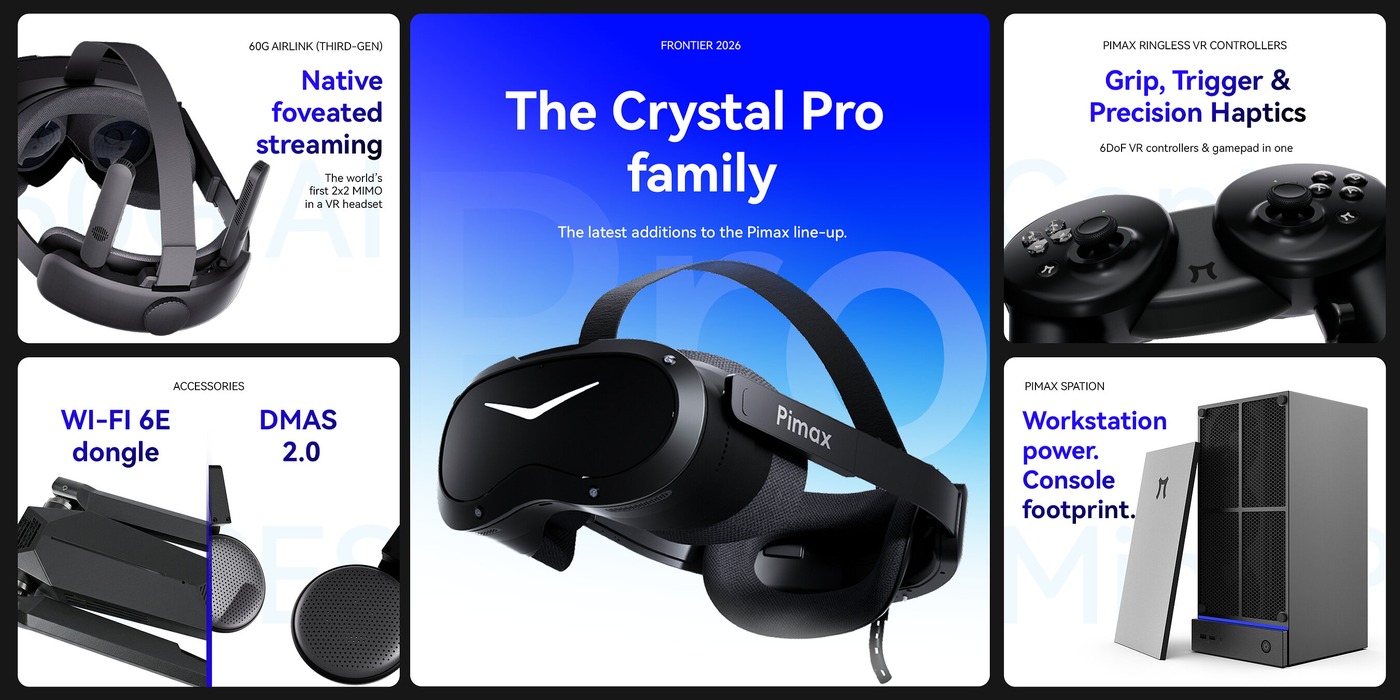 Image: Pimax
The kit includes two Room Antennas that run in a 2x2 MIMO configuration, which Pimax says is a first for a VR headset. The company rates the link at up to 6 Gbps of combined throughput with less than 2 milliseconds of added latency. Sold separately, the kit costs $599.
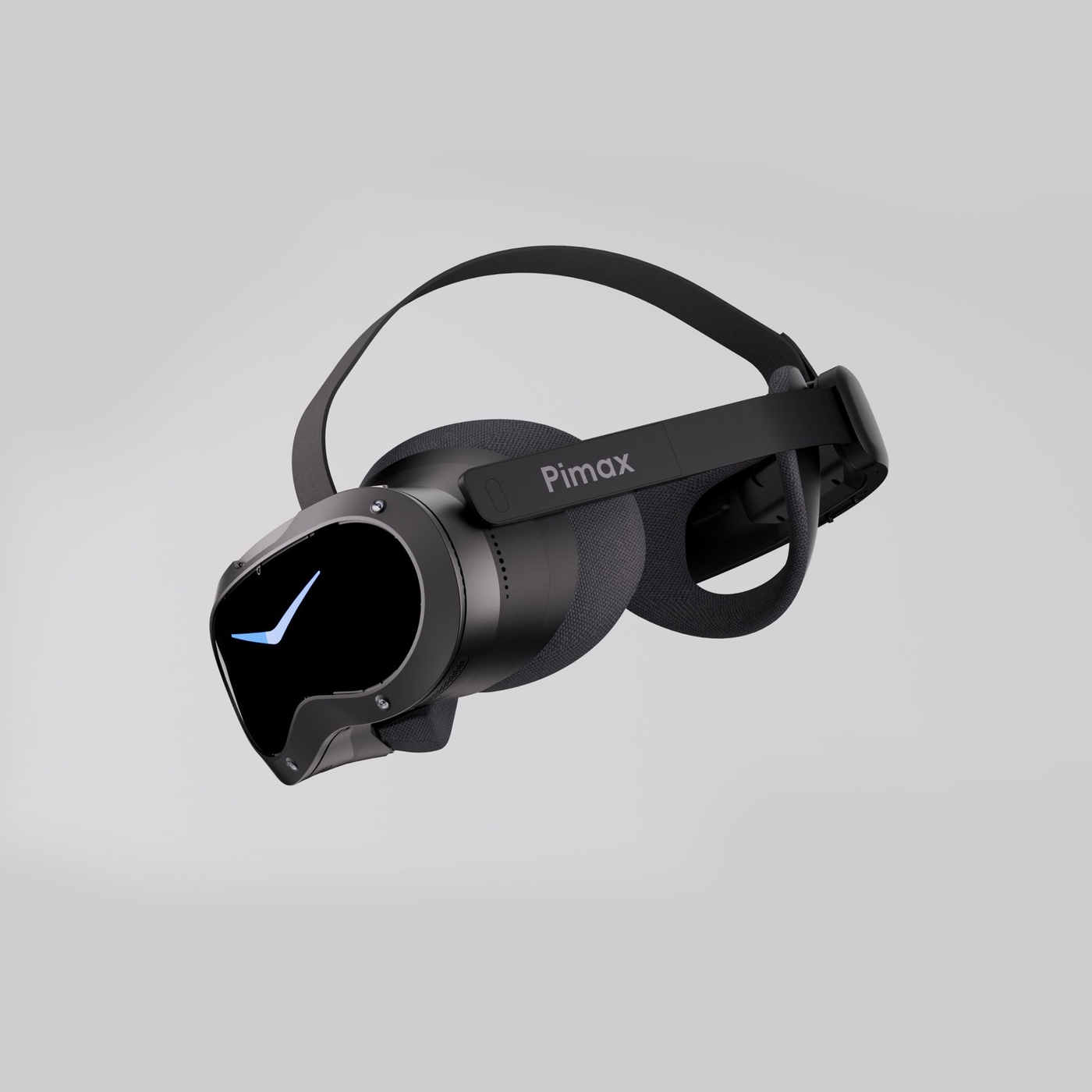 Photo: Pimax
Pimax is known for high-resolution headsets with wide fields of view, and the display hardware follows that pattern. The Crystal Pro uses aspheric glass lenses and QLED panels with 2880 by 2880 pixels per eye, a 110-degree field of view and refresh rates of up to 120Hz. Tracking combines eye tracking with what Pimax calls SLAM 2.0 inside-out tracking, and a swappable faceplate adds either support for external Lighthouse base stations or mixed reality passthrough with LiDAR depth sensing. There is no battery inside the headset. Power comes from an included 16,000mAh external battery pack.
*Video: Pimax on YouTube, "Crystal Pro, Ringless Controllers & Spation | Frontier 2026"*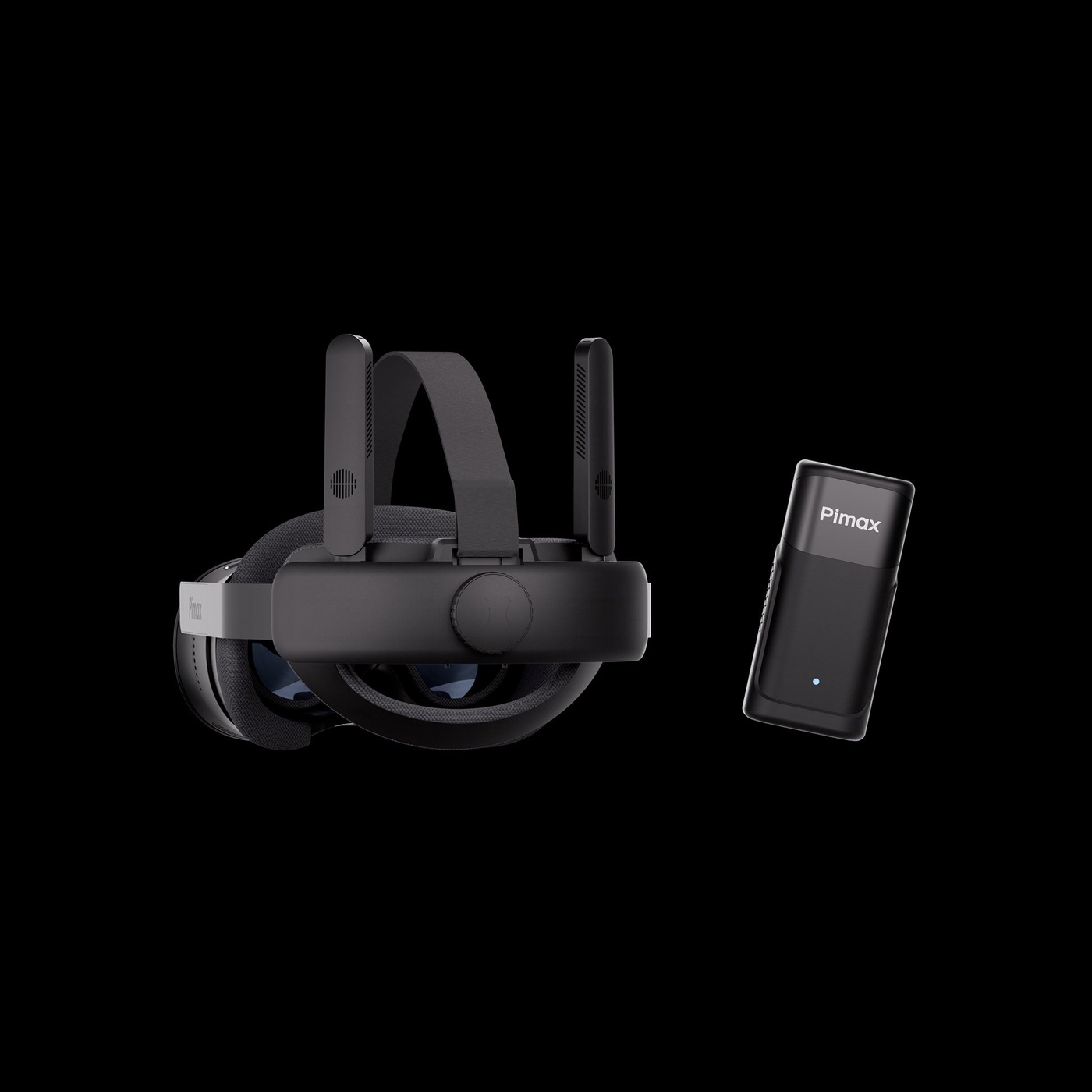 Photo: Pimax
Pimax introduced two other products at the same event, which it called “Frontier: Change To Stay The Same.” Its Ringless VR Controllers drop the tracking ring found on earlier Pimax controllers in favor of camera-based hand tracking combined with infrared and motion-sensor tracking, with latency under 15 milliseconds. They also clip into a gamepad for use with Windows and Steam. Spation is a mini-PC that Pimax describes as having desktop-class parts in a chassis smaller than a typical tower, pairing an AMD Ryzen 7 9800X3D processor with either an AMD RX 9070 XT or an Nvidia RTX 5070 Ti graphics card. It runs Windows or SteamOS, and a DIY configuration is also offered.
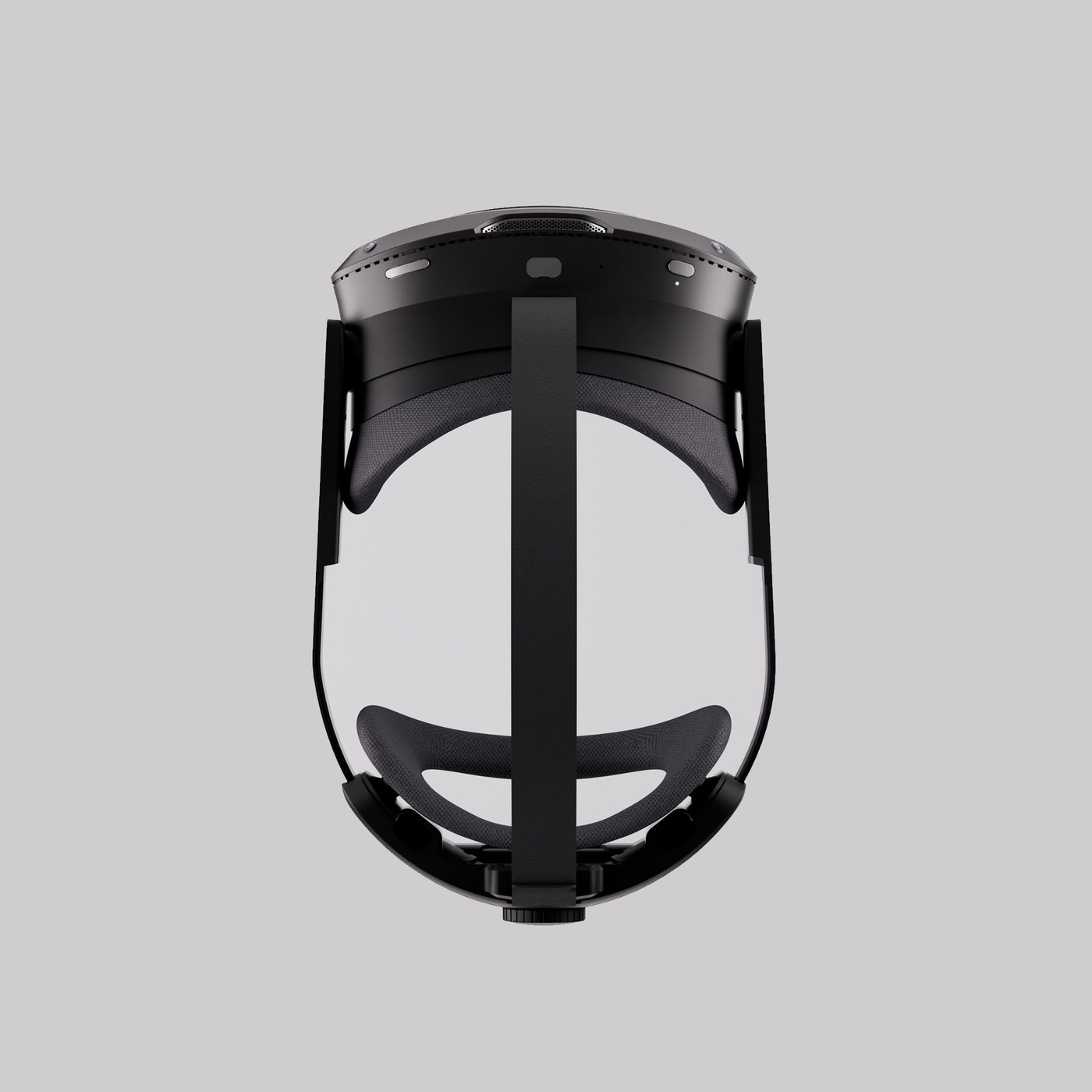 Photo: Pimax
Prices and shipping dates for the controllers and Spation will follow, the company said. Pimax also used the event to introduce a refreshed brand identity built around a new signature color it calls Stratosphere Blue.
The performance claims for the AirLink system come from Pimax and have not yet been independently tested. For buyers, the practical questions are when the headset ships and how the 60GHz link holds up in ordinary rooms, since that connection depends on the two antennas the kit places around the play space.