Opinion
Opinion: The New Rulebook for AI Shopping Agents Tells Stores Who Is Knocking. It Should Also Tell You Who Gets Paid.
Meta, Sierra, Walmart, Shopify and Stripe want a common standard for personal AI agents. It is a sensible idea with one big gap: proof the agent works for the shopper.
Los Angeles · Marcus Reid, Opinion · Oct 7 2026
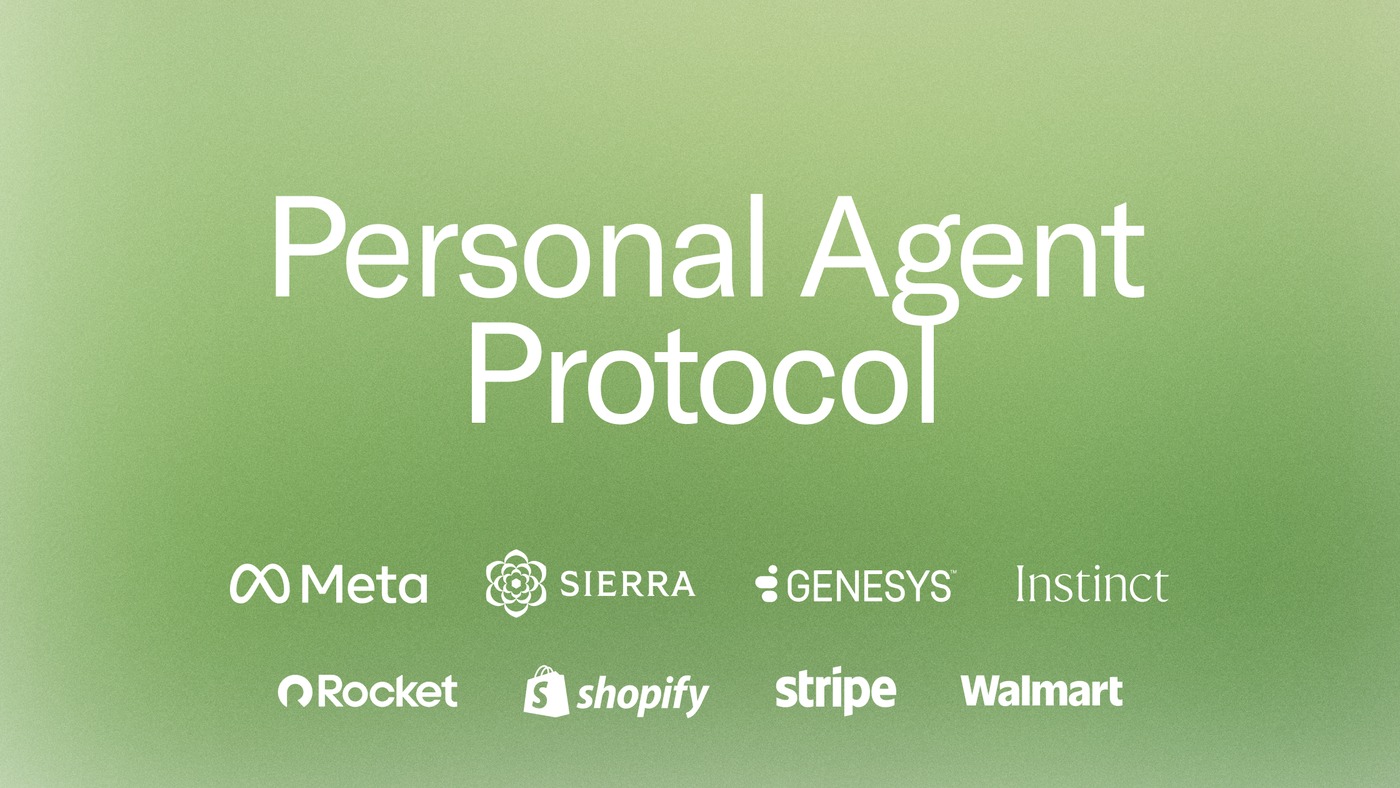
LOS ANGELES - Personal AI agents now book appointments, buy gifts and fill in forms for millions of people, and the businesses on the other end often cannot tell whether they are dealing with a customer, a customer’s helper or a stray bot. On Tuesday a group led by Meta and Bret Taylor’s startup Sierra proposed a fix. They call it the Personal Agent Protocol, an open standard for how those agents sign in, act and identify themselves, developed with Genesys, Instinct, Rocket, Shopify, Stripe and Walmart.
The core idea is easy to like. In Sierra’s words, “consumers decide what access to give their personal agents, and companies set parameters for what those agents can do.” An agent can start as a guest to check stock or a returns policy, then sign in through OAuth, the same plumbing behind “Sign in with Google,” when it needs your account. You choose read-only or write access. The company decides whether the agent uses its website, its APIs or its own customer service agent.
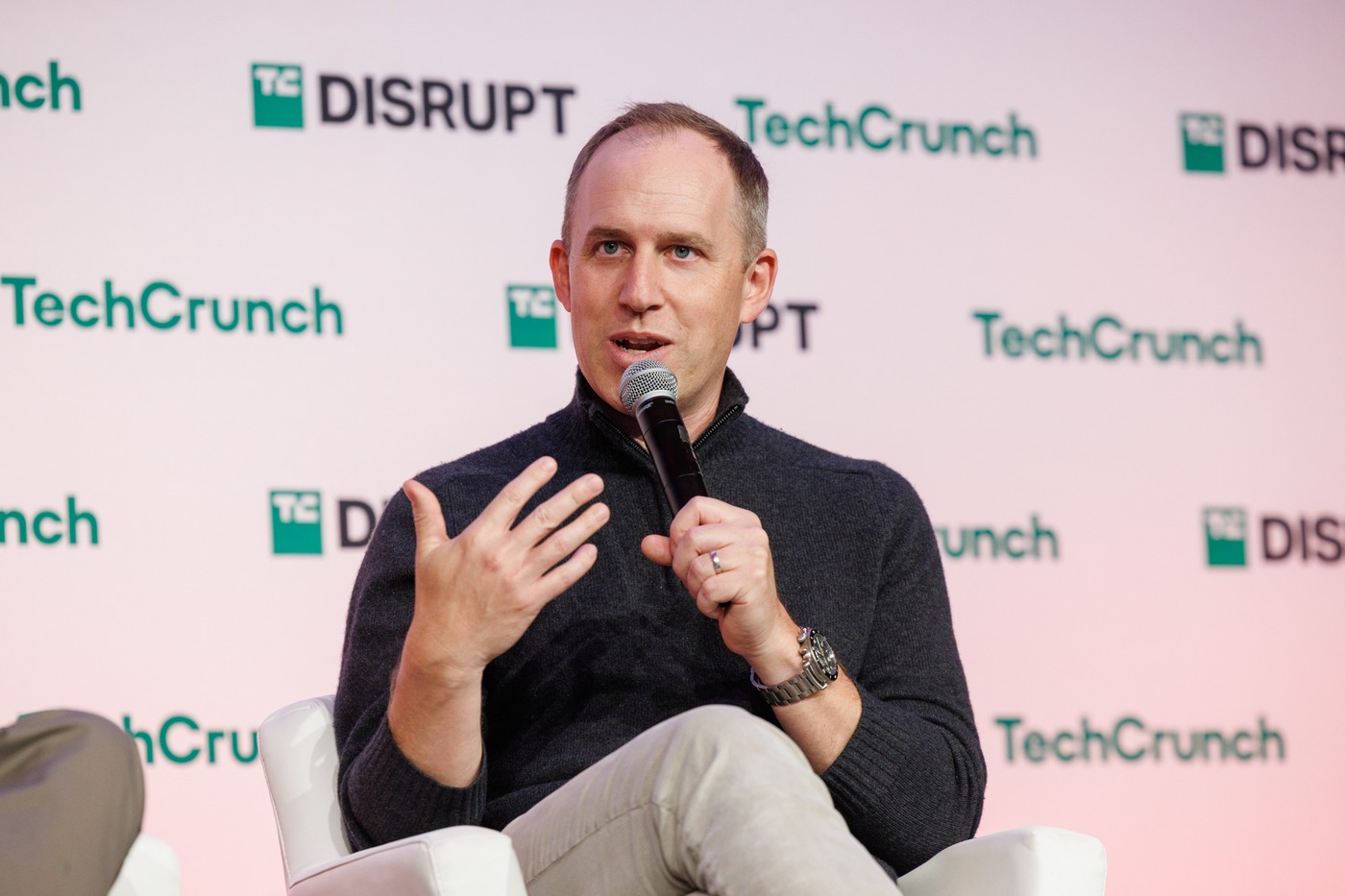 Photo: TechCrunch / Wikimedia Commons (CC BY 2.0)
Something like this is overdue. “It is kind of chaos until such a standard exists,” Taylor told CNBC. Amazon has blocked Meta’s agents, citing worries about scraping, and it sued Perplexity last November, alleging the startup concealed its AI agents so they could keep scraping the store without approval. A shared way for an agent to say “I am acting for this person, with these permissions” beats an arms race of bots pretending to be humans.
Notice, though, whose problems the first draft solves. Stores get visibility into what agents do. Agent makers get a consistent way in. The shopper gets speed. What the shopper does not yet get is any way to check that the agent is choosing the best option for them rather than the most profitable one for the company that built it.
 Photo: Nokia621 / Wikimedia Commons (CC BY-SA 4.0)
That is not a hypothetical worry. The biggest personal agent in this group is Meta’s Muse, which launched in early September and climbed to the top of Apple’s App Store. At Connect on Sept. 23, Mark Zuckerberg said Meta was making Muse free “with the expectation that over time we will profit by taking a small fee from transactions,” TechCrunch reported. David Singleton, a Meta vice president, told CNBC that people use Muse for things like “finding and buying the best gifts.” Best for whom, once a fee is attached?
Six major banks, including Bank of America and Capital One, raised exactly this last month, SiliconANGLE reported. Their paper urged standards built on transparency, safety, privacy, choice and interoperability, and warned that agents could favor certain products or payment methods because of higher commissions. The new protocol does not answer that warning yet. Sierra’s list of possible next steps includes finer permissions, push alerts when an order ships and a payments extension that keeps card numbers private. All useful. None of it is about whose interests the agent serves.
 Photo: YosemiteYamper / Wikimedia Commons (CC BY-SA 4.0)
The good news is that the rules are still being written. Sierra says it will publish a v0.1 specification later this month, run design workshops and release a reference implementation. Taylor, who is also chairman of OpenAI, said he would be “really disappointed” if rivals do not adopt it, and he expects OpenAI and Anthropic to join. That makes the next few weeks the cheapest moment to get the consumer side right.
 Photo: Raysonho / Wikimedia Commons (CC0)
My ask for version 0.1 is simple. Every agent session should carry a plain disclosure of any fee, commission or paid placement tied to the purchase, readable by the shopper and not only by the store. Every agent should keep a log you can open, showing what it looked at, what it skipped and why. And revoking an agent’s access should be as easy as granting it. Singleton compared the protocol to email, a standard everyone can use. Email works because the message belongs to the person who sent it. An agent’s shopping trip should belong to the person who asked for it.
Sources: Sierra, Bret Taylor and Clay Bavor, “Introducing Personal Agent Protocol,” Oct. 6, 2026, https://sierra.ai/blog/introducing-personal-agent-protocol; CNBC, Kate Rooney, Oct. 6, 2026, https://www.cnbc.com/2026/10/06/meta-joins-companies-to-tame-chaos-of-doing-business-with-ai-bots.html; SiliconANGLE, Mike Wheatley, Oct. 6, 2026, https://siliconangle.com/2026/10/06/meta-teams-up-with-bret-taylors-sierra-technologies-on-new-standards-for-ai-agent-commerce/; The Verge, Jay Peters, Oct. 6, 2026; TechCrunch, Kirsten Korosec and Lucas Ropek, Sept. 23, 2026, https://techcrunch.com/2026/09/23/everything-new-coming-to-metas-ai-agent-muse/. Sierra announcement graphic and Wikimedia Commons photography.
Marcus Reid, Opinion. Marcus Reid is a senior columnist writing on gadgets, platforms, and consumer tech. Previously edited product commentary for independent magazines; based in Los Angeles.