
Opinion
Opinion: OpenAI Says You Are Only as Secure as Your AI Model. That Is a Sales Pitch, Not a Security Plan.
Daybreak Red Team and Defense Factory may well be useful. But the line Greg Brockman used to launch them turns security into a subscription to whoever has the newest model.
San Francisco · Marcus Reid, Opinion · Nov 13 2026
SAN FRANCISCO - OpenAI launched two security products on Thursday, and the most revealing part was not a feature. It was a sentence. “We’re now at a point where companies will be secure only to the extent of the frontier model that they use to defend themselves and how well they utilize that,” OpenAI president Greg Brockman said during the company’s Cyber at the Frontier keynote, as reported by The Register.
Read that again as a customer. Your security is now measured by which AI model you rent and how hard you lean on it. That is a remarkable thing for a model vendor to say on the day it starts selling security tools.
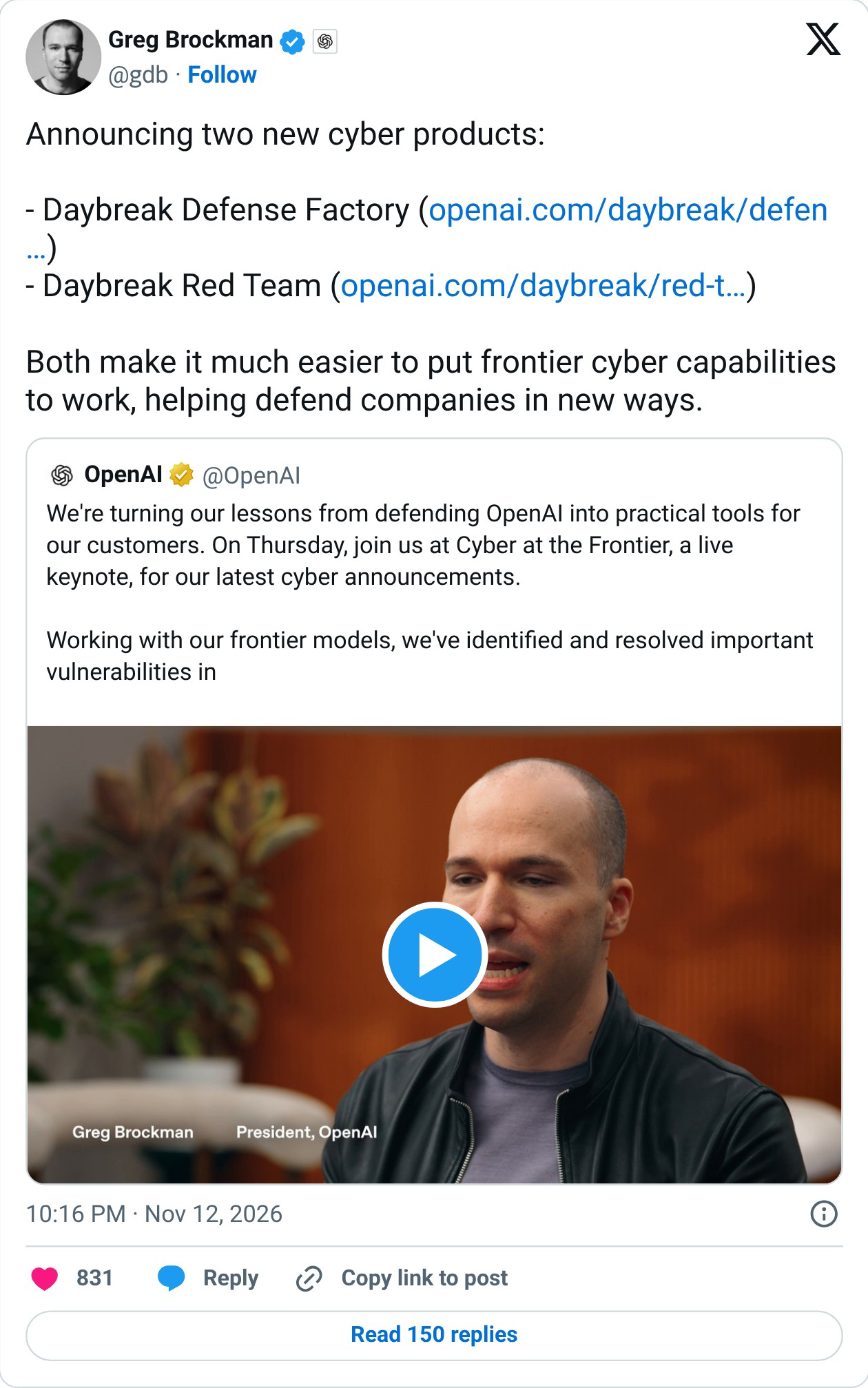
Screenshot: @gdb on X
The products themselves sound sensible. Daybreak Red Team puts a team of agents to work testing web applications, using source code and app context to look for attack paths. It can also check reports from code scanners and bug bounty programs, and test whether a patch actually stops an exploit. Daybreak Defense Factory has agents trace vulnerabilities through a codebase and prepare patches, which engineers review and test before anything is merged. Brockman wrote on X that both “make it much easier to put frontier cyber capabilities to work, helping defend companies in new ways.”
I have no quarrel with that. Security teams are stretched, and an agent that turns a backlog of findings into reviewed pull requests could save real hours. OpenAI’s Clint Gibler made the honest case in a press briefing, according to The Deep View: “There’s always been a dearth of security expertise in the world.”
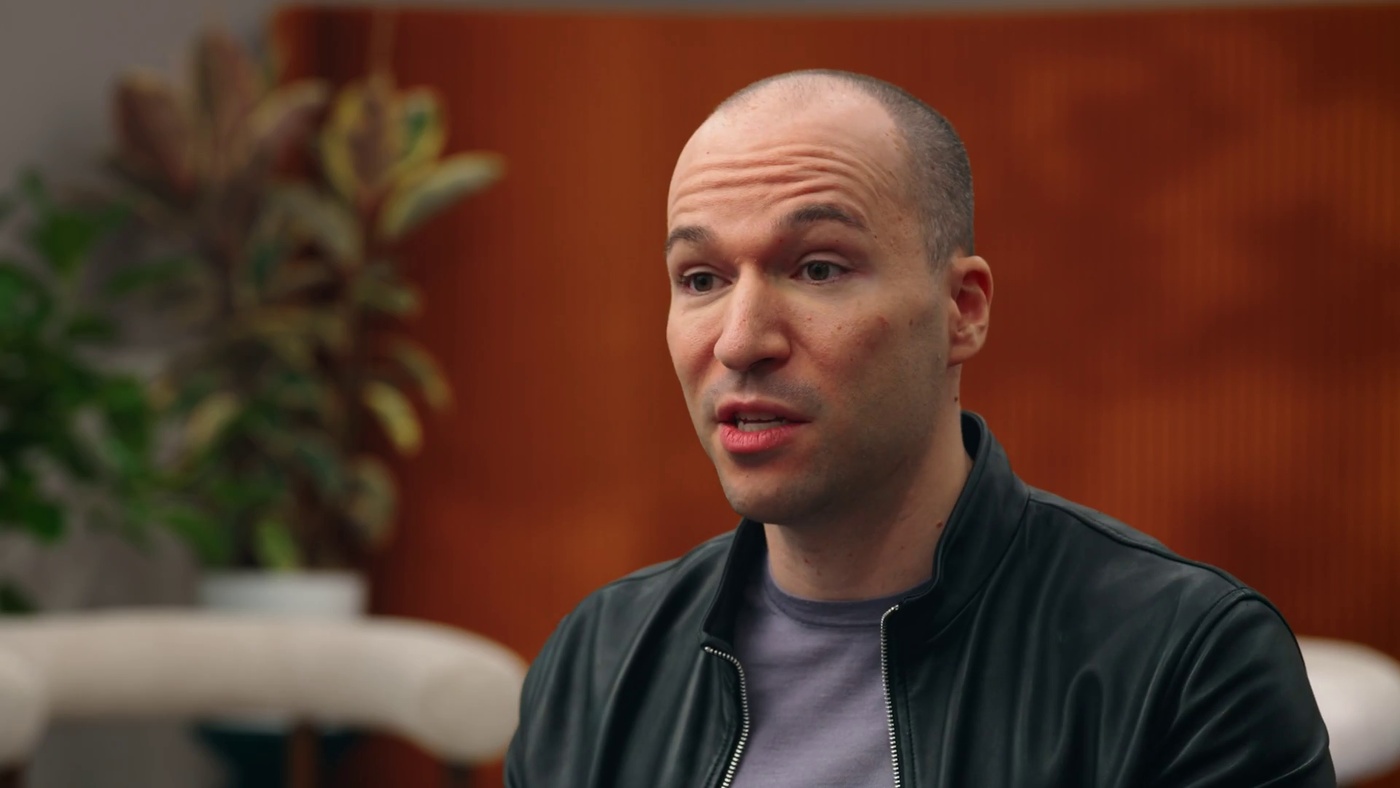
Image: OpenAI
My problem is the framing. Brockman did say that security “fundamentals are important, and not to be discounted.” But he also told companies they “need to really reorient your security practice around what these models can do.” If the bar for being secure is the frontier model, then the bar moves every time a lab ships a new one, and the lab decides when that happens. In the promotional post ahead of the keynote, OpenAI said security teams should “keep putting the latest models to work as capabilities improve.” Upgrades become a security requirement.
There are basic questions OpenAI has not answered. The Deep View reported that the company offered no pricing for either product. Red Team is in early access with select customers and a waitlist. And the evidence that frontier models defend better than they attack is still mostly OpenAI’s own account of fixing its own code.
Image: OpenAI
The timing did not help the message. On the same day, a coalition of nonprofits including Public Citizen and the Heat Initiative filed suit in San Francisco Superior Court asking a judge to stop OpenAI, Anthropic, Google, Meta and SpaceX from developing or deploying AI systems more capable than their most advanced existing models, The Register reported. The complaint cites AI-linked cyber incidents. You do not have to agree with the lawsuit to see the awkward loop: the industry warns that its models make attacks easier, then sells the newest model as the cure.
Here is what a customer should take from Thursday. Try the tools if you have the backlog. Demand pricing, independent testing and a clear exit if you switch vendors. And keep doing the boring work, patching, access control, backups and code review, because that work does not expire when the next model ships.
Brockman is right that AI is changing security. He is wrong that your safety should be defined by his product roadmap.