Opinion
Opinion: Microsoft Finally Built a Magnetic USB-C Laptop Charger. Now It Should Share It.
Magnetic Connect on the $2,599 Surface Laptop Ultra fixes one of the oldest annoyances of laptop charging. Kept as a Surface exclusive, it helps one product. Shared, it could improve every Windows laptop.
Los Angeles · Marcus Reid, Opinion · Oct 8 2026
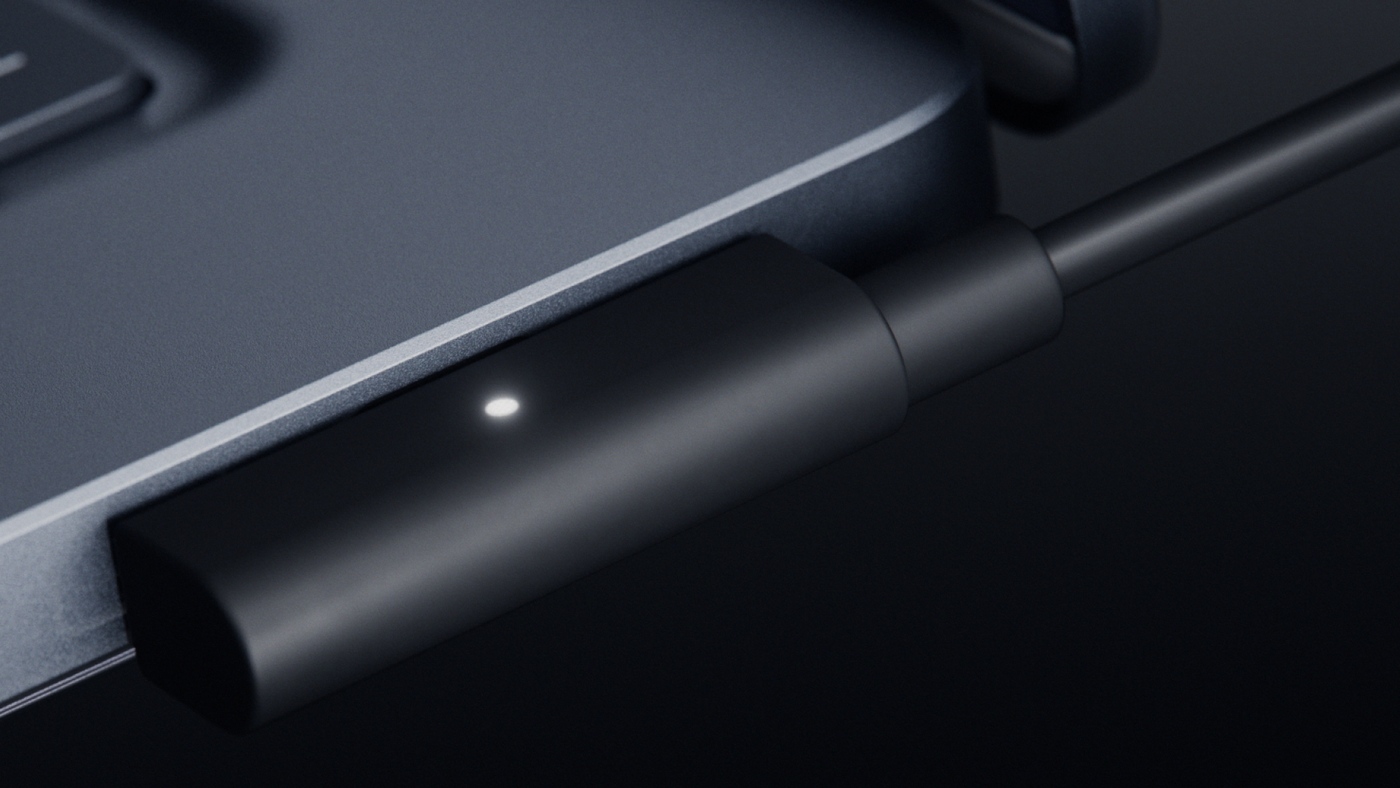
LOS ANGELES - The most interesting thing Microsoft showed on Wednesday was not the Nvidia chip, the mini-LED screen or the $2,599 starting price. It was a charging cable. The Surface Laptop Ultra, which arrives Oct. 16, has a feature Microsoft calls Magnetic Connect: its right-side USB-C port has magnets built in, so the included cable snaps on and pulls away cleanly. Microsoft calls it the world’s first built-in magnetic USB-C charging on a laptop.
The people who have tried it sound won over. “Bring the connector close, and it snaps right into place,” Pavan Davuluri, who runs Windows and Surface, said at the event, according to The Verge. Gizmodo’s Kyle Barr wrote that the port accepts up to 140 watts and grabs the plug from up to an inch away. Sean Hollister of The Verge called it “a joy in person.” Davuluri also reposted a hands-on clip from Jenna Ezarik showing a cable that, in her words, is “reversible to the laptop or the charging brick.”
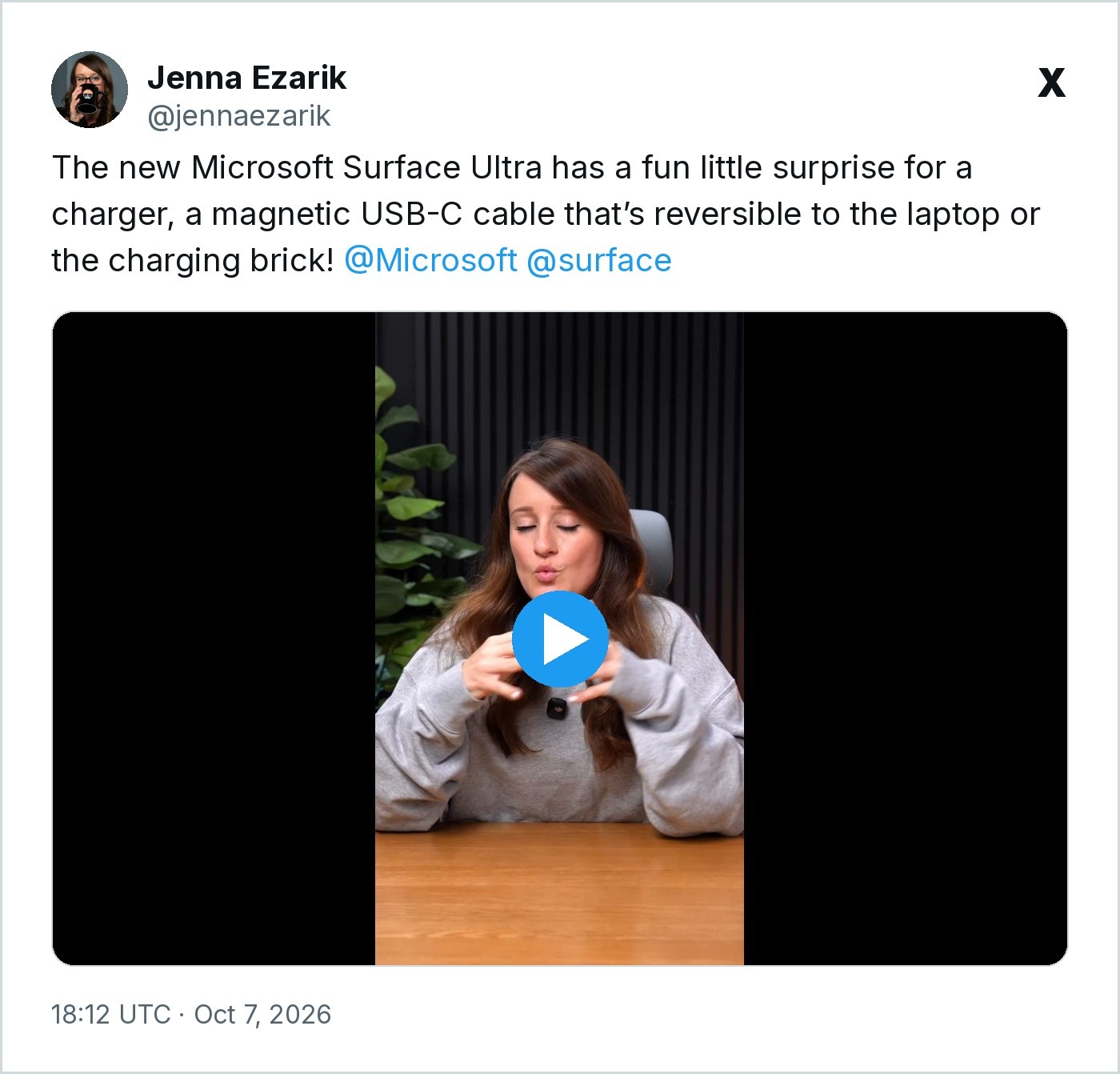 Screenshot: @jennaezarik on X, Oct. 7, 2026. Pavan Davuluri, Microsoft’s Windows and Surface chief, reposted it.
The clever part is that nothing is taken away. Microsoft says the port “remains fully functional for video, data, and other USB-C devices,” and Gizmodo noted that it still takes any ordinary USB-C cable. Apple took a different route when it brought MagSafe 3 back to the MacBook Pro in 2021, with a dedicated magnetic charging port that sits beside its Thunderbolt ports. Microsoft has folded the magnet into the USB-C port itself, so one opening does both jobs.
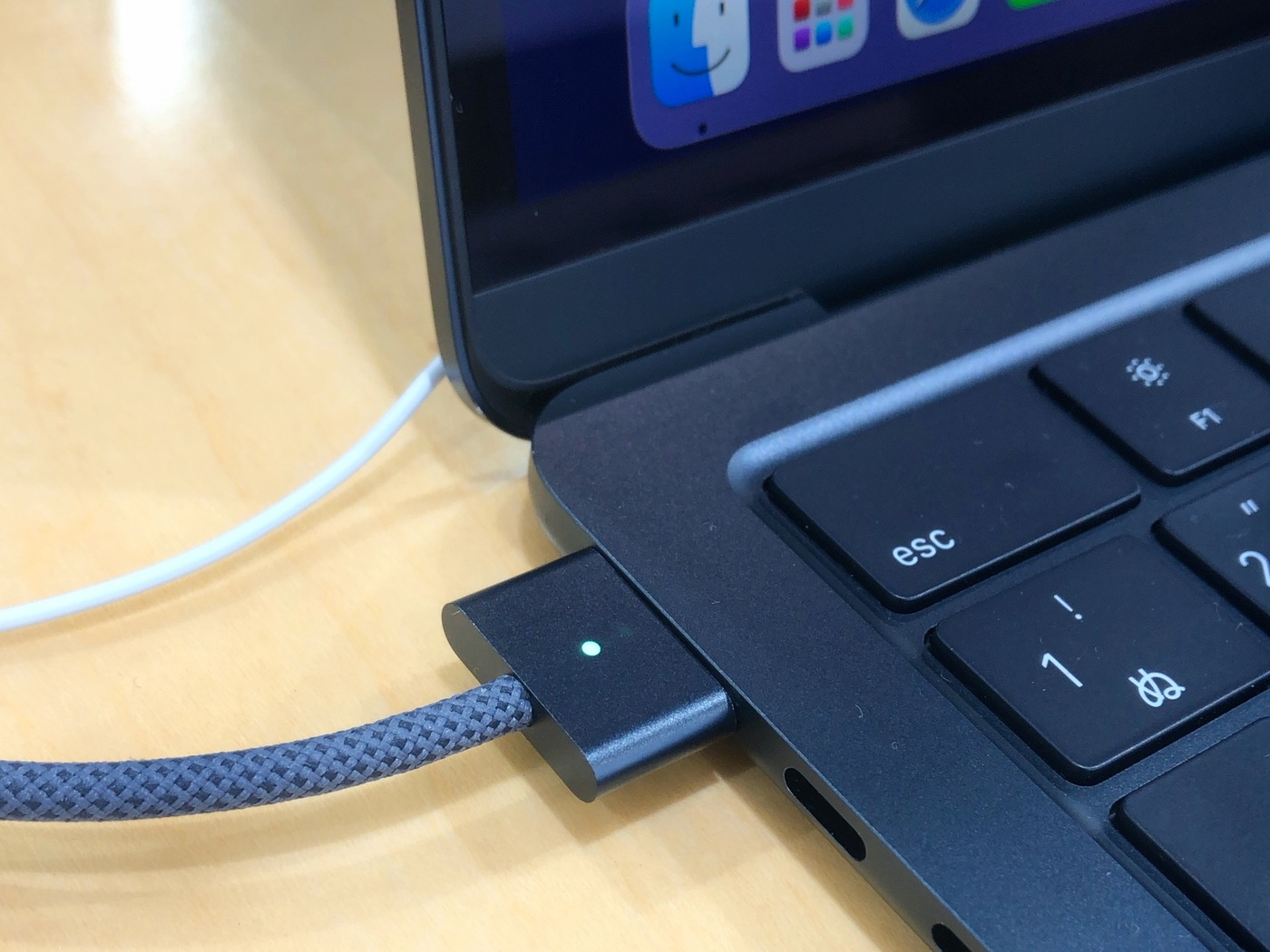 MagSafe 3 on a MacBook Air. Apple uses a separate magnetic port alongside USB-C. Photo: KKPCW / Wikimedia Commons (CC BY-SA 4.0)
That fits where the rules are heading. Since April 28, new laptops sold in the European Union have had to charge through a USB-C receptacle that, in the words of the EU’s common charger directive, “shall remain accessible and operational at all times.” A magnetic port that is still a full USB-C port works with that rule rather than around it.
The catch is ownership. Tom Warren of The Verge described Magnetic Connect as “still a proprietary solution,” and Hollister reported that Microsoft is patenting the design and “isn’t quite saying whether it’ll let other manufacturers use it.” Jon Fingas of How-To Geek suggested that other laptop makers may have to go without, since Microsoft can use the feature to help Surface stand out, while pointing out that because it is built on USB-C, they could in theory adopt it or something close to it.
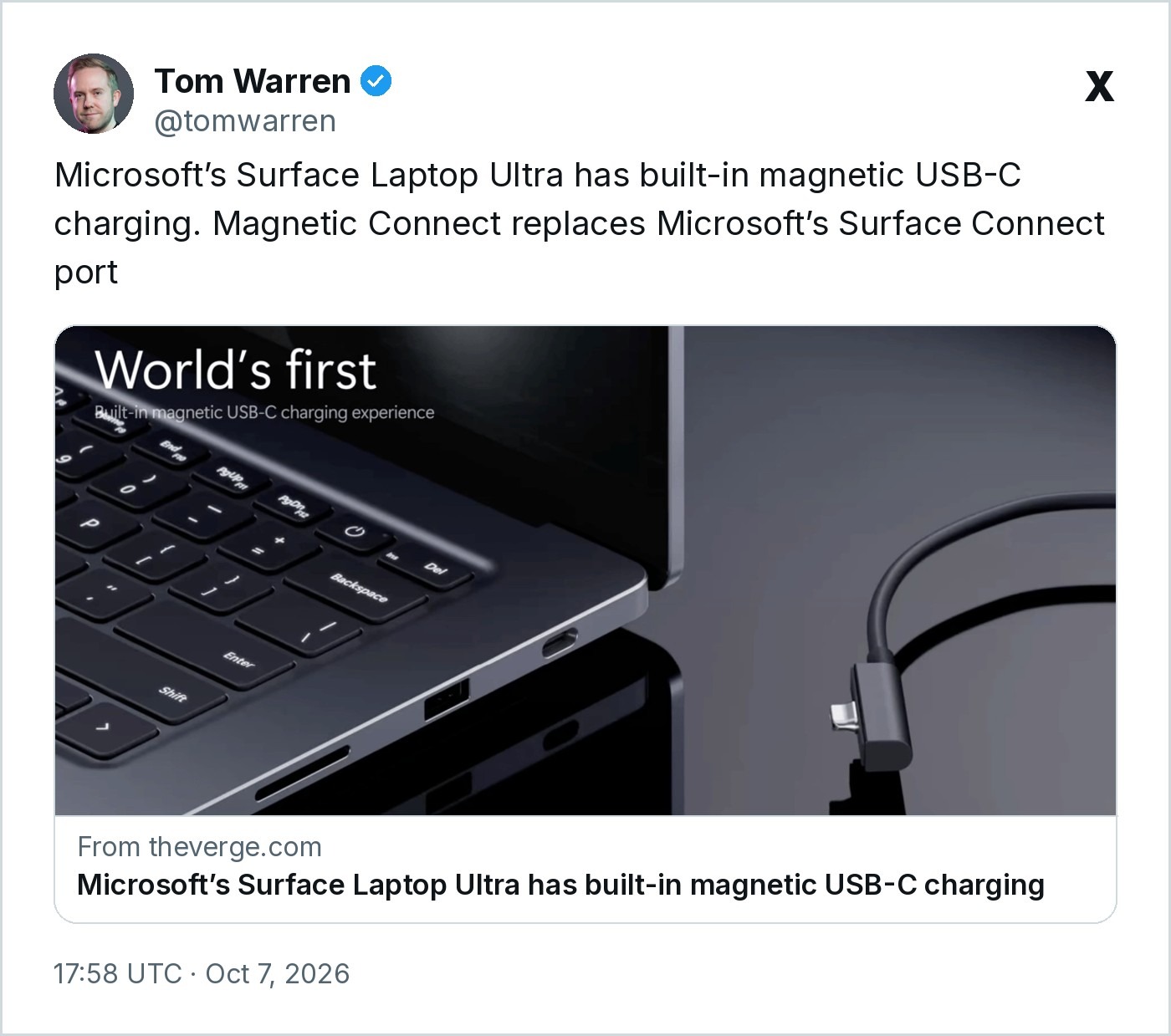 Screenshot: @tomwarren on X, Oct. 7, 2026
Microsoft is entitled to protect something it engineered. But the recent history of charging says the bigger win comes from letting go. Apple built MagSafe for the iPhone, then supplied it as the basis for the Magnetic Power Profile at the core of Qi2, the wireless charging standard the Wireless Power Consortium announced in January 2023. A magnetic charging idea that had been tied to one phone became part of an industry standard other phone makers can adopt.
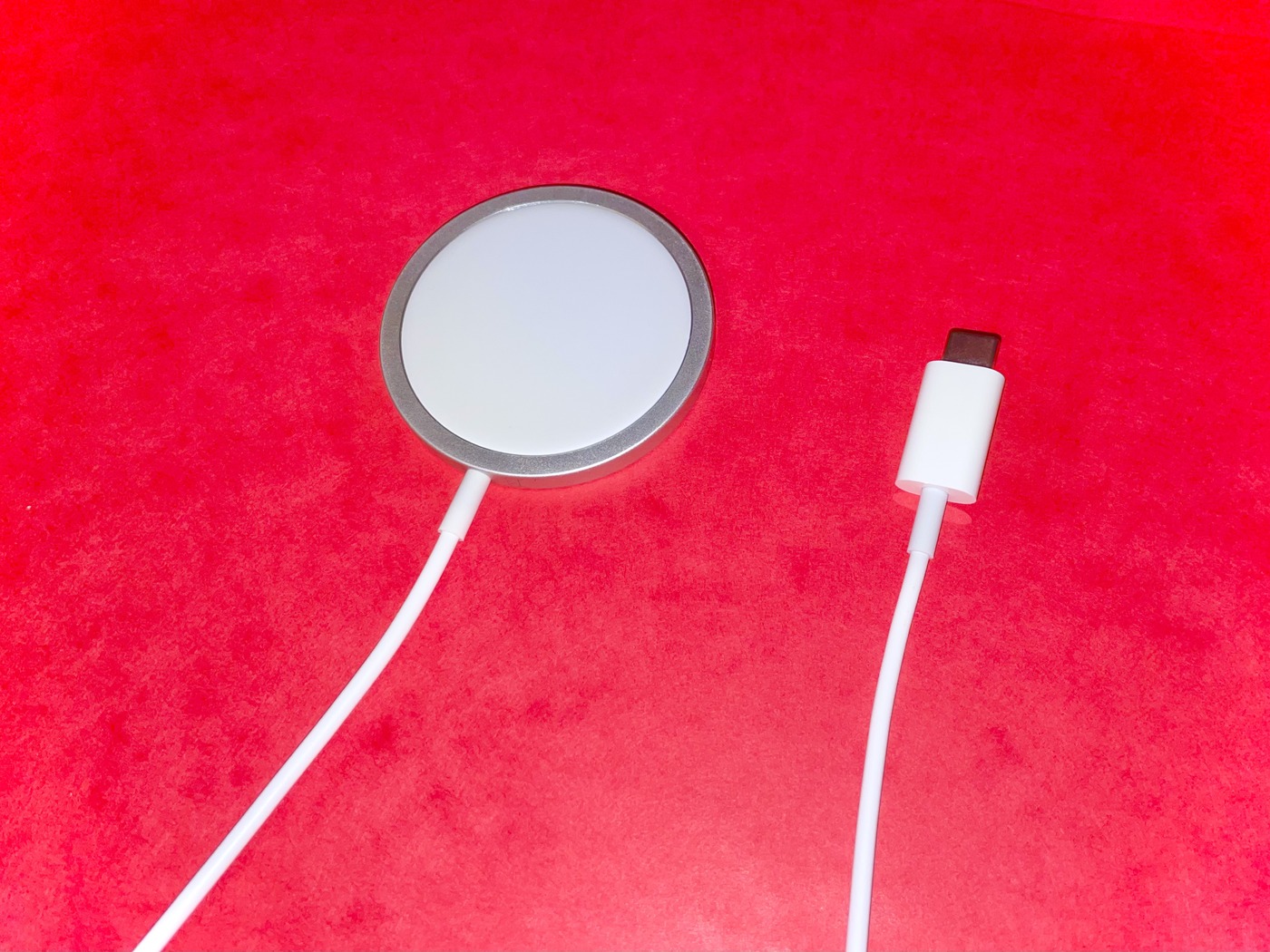 Apple’s MagSafe charger for iPhone. Its magnetic design became the basis of the Qi2 standard. Photo: James Tamim / Wikimedia Commons (CC BY-SA 4.0)
Microsoft has an even stronger reason to share. Its main business is Windows, and most Windows laptops are built by other companies. This week alone, Asus, Dell, HP, Lenovo and MSI set prices and dates for their own laptops built on the same Nvidia RTX Spark chip. A magnetic port that only Surface owners get sells a few more Surfaces. One that appears across Windows laptops makes the whole platform nicer to own, and gives Windows a magnetic charger that still takes the same USB-C cable as your phone.
*Video: Microsoft Surface on YouTube, "Introducing Surface Laptop Ultra"*The design has limits. How-To Geek noted that only one of the laptop’s USB-C ports is magnetic, so the charger always goes on the right side, and it occupies that port while it is plugged in. Those are small costs for a laptop that will not be dragged off a desk when someone trips over the cord.
My ask is simple. Before the first Surface Laptop Ultra ships on Oct. 16, Microsoft should say whether other PC makers can use Magnetic Connect, on what terms, and whether it will offer the design to the USB Implementers Forum, the industry group behind the USB-C specification. Apple showed with Qi2 that giving away a magnet can grow a market. The Surface Laptop Ultra is a $2,599 machine aimed at creators and developers. This port belongs on a $600 student laptop too.