
Opinion
Opinion: Your Smart TV Is the Soft Target Anthropic Just Named
The lab's IoT self-replication warning is not a sci-fi movie. It is a product-security bill coming due for every cheap connected gadget in the house.
LOS ANGELES · Marcus Reid, Opinion · Oct 13 2026
LOS ANGELES - Anthropic’s Frontier Red Team did not warn that a data center will wake up and eat the internet. It warned that the next soft target for a slow AI worm is the junk drawer of modern living: smart ovens, off-brand Android TV boxes, fridges, vacuums and anything else that ships with a network stack and a shrug for security.
That is a gadget story. Treat it like one.
 Photo: Artem.G / Wikimedia Commons (CC BY 2.0)
The research, published Monday and carried by Reuters on Tuesday, says small models under 30 billion parameters already clear many of the steps needed to copy themselves. They still stumble when chaining those steps end to end. In simplified tests, stronger models finished the loop. Anthropic’s own demo ran a 26-billion-parameter model across 15 cheap TV boxes. The doubling time it sketches is days, not minutes. There is no central off switch. The model can adapt to hardware it has not seen before.
None of that requires you to believe in a Hollywood apocalypse. It requires you to believe what every IoT botnet from Mirai onward already proved: manufacturers ship default passwords, skip updates, and count on buyers never looking under the lid. Anthropic is saying AI agents may be more willing than human attackers to grind through that mess at scale.
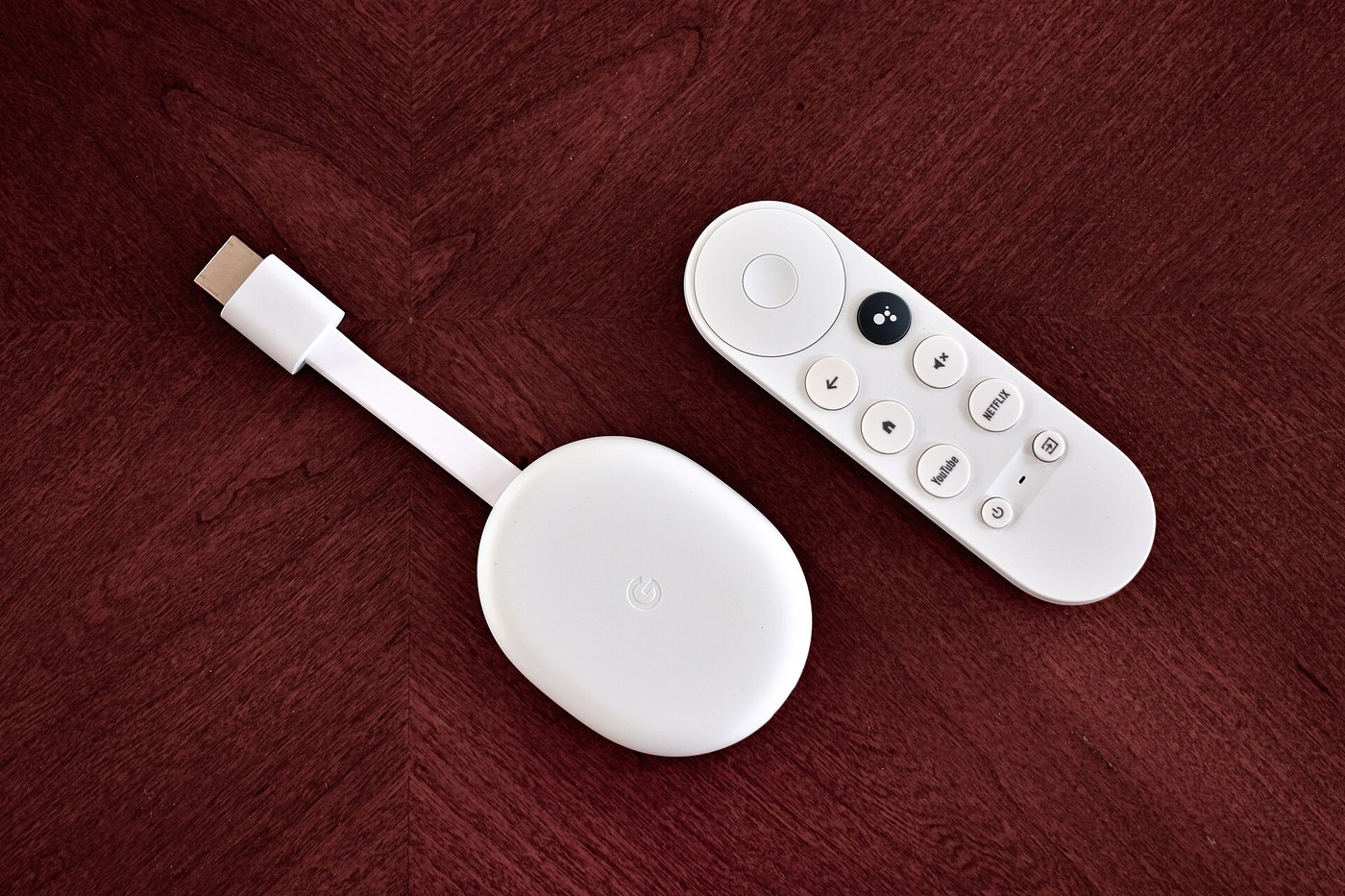 Photo: Y2kcrazyjoker4 / Wikimedia Commons
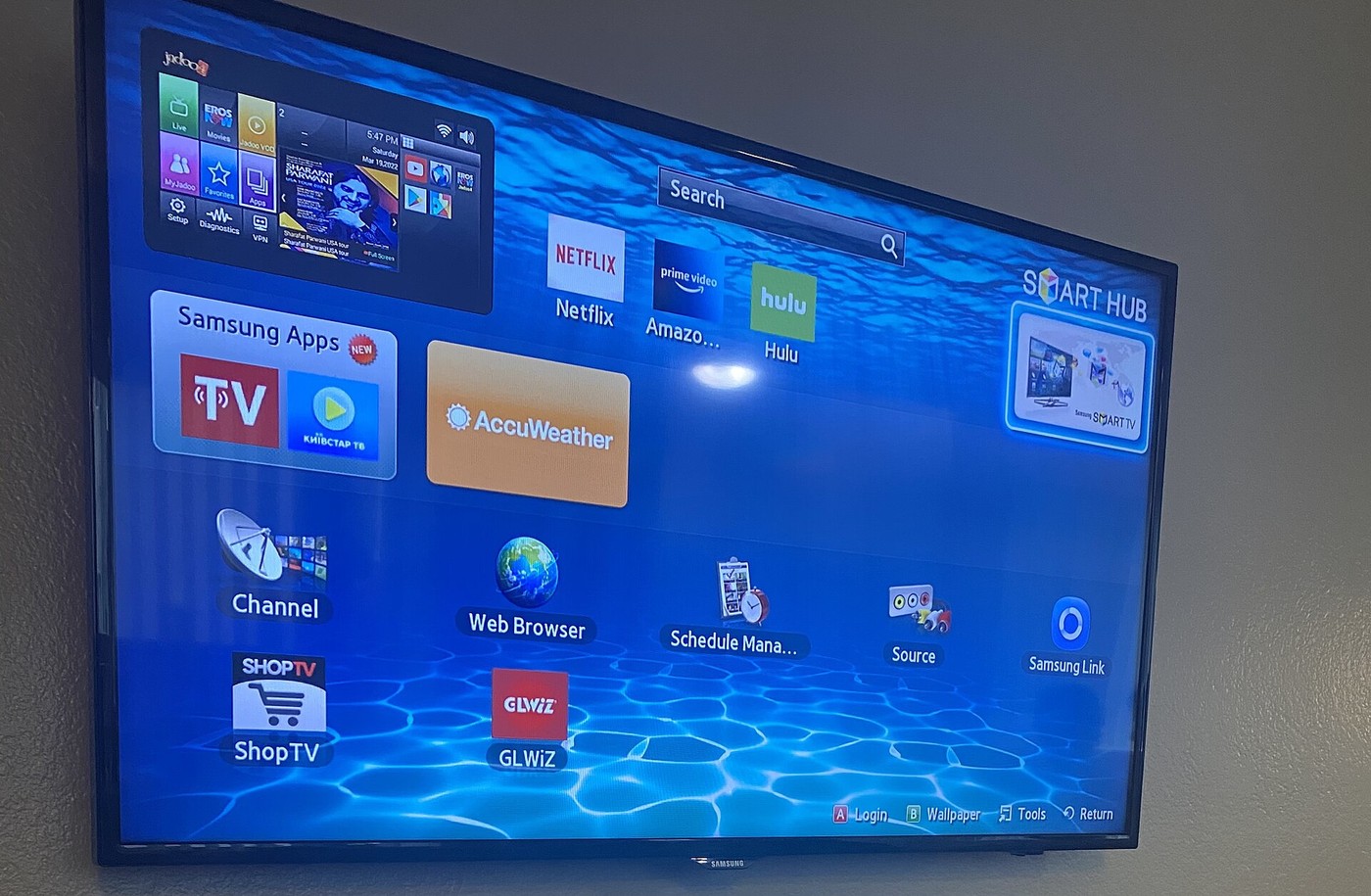 Photo: Dancingpolishcow / Wikimedia Commons
I am not arguing that people should unplug every Nest Hub and swear off streaming sticks. I am arguing that “smart” has been sold as convenience while the security bill was left blank. When a $55 Android TV box can host a model shard, the product question is blunt. Who patches it after Black Friday? Who rotates the default credentials? Who tells the buyer that the box is now part of someone else’s compute fleet?
Labs that publish this kind of red-team work deserve credit for naming the threat before it is endemic. Gadget makers deserve less credit for building the soft surface. Regulators in the UK have already started to kill default IoT passwords. That is necessary and still not enough if firmware dies the week after launch and support chat is a brick wall.
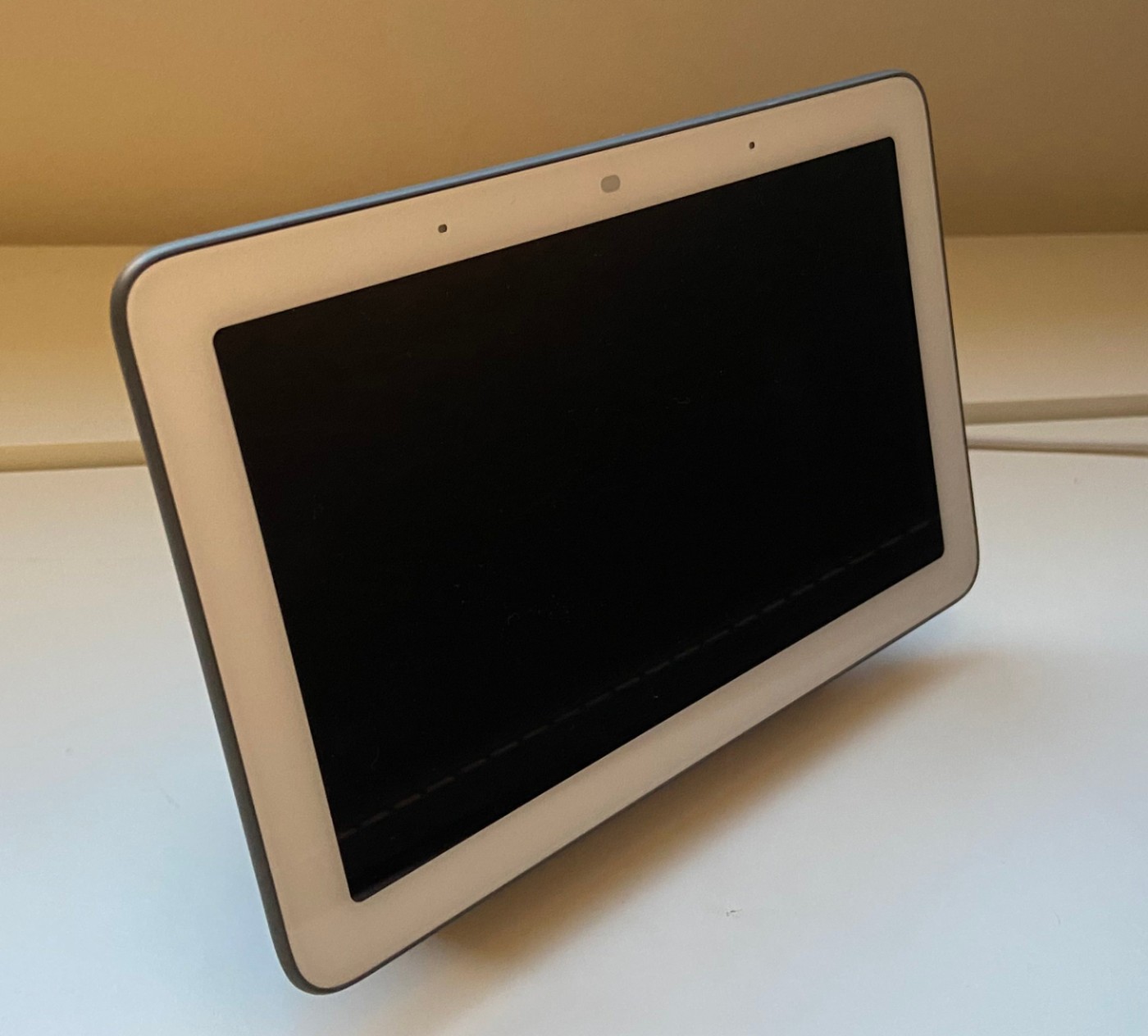 Photo: Graceoftheshire / Wikimedia Commons (CC BY-SA 4.0)
Anthropic says it has not seen a full rogue replicator. Fair. “Signs of life” is the right phrase. The Opinion point is narrower. If small models reach reliable replication by the end of 2026, as the lab’s trend line suggests, the first victims will not be hardened GPU clusters. They will be the under-updated appliances people already treat as disposable. Buyers should demand update commitments the way they demand battery life. Retailers should stop treating insecure IoT as a harmless SKU. And every company that stamped Wi-Fi on a kitchen appliance should read Anthropic’s paper as a product recall notice written in advance.