Opinion
Opinion: Altman's 'Religious Force' Warning Is Really About Who Owns Judgment
Sam Altman's Oct. 3 X post lands days after reporting on Anthropic's faith-and-consciousness talks. The fight is less theology than who gets to decide when a model stops.
Los Angeles · Marcus Reid, Opinion · Oct 4 2026
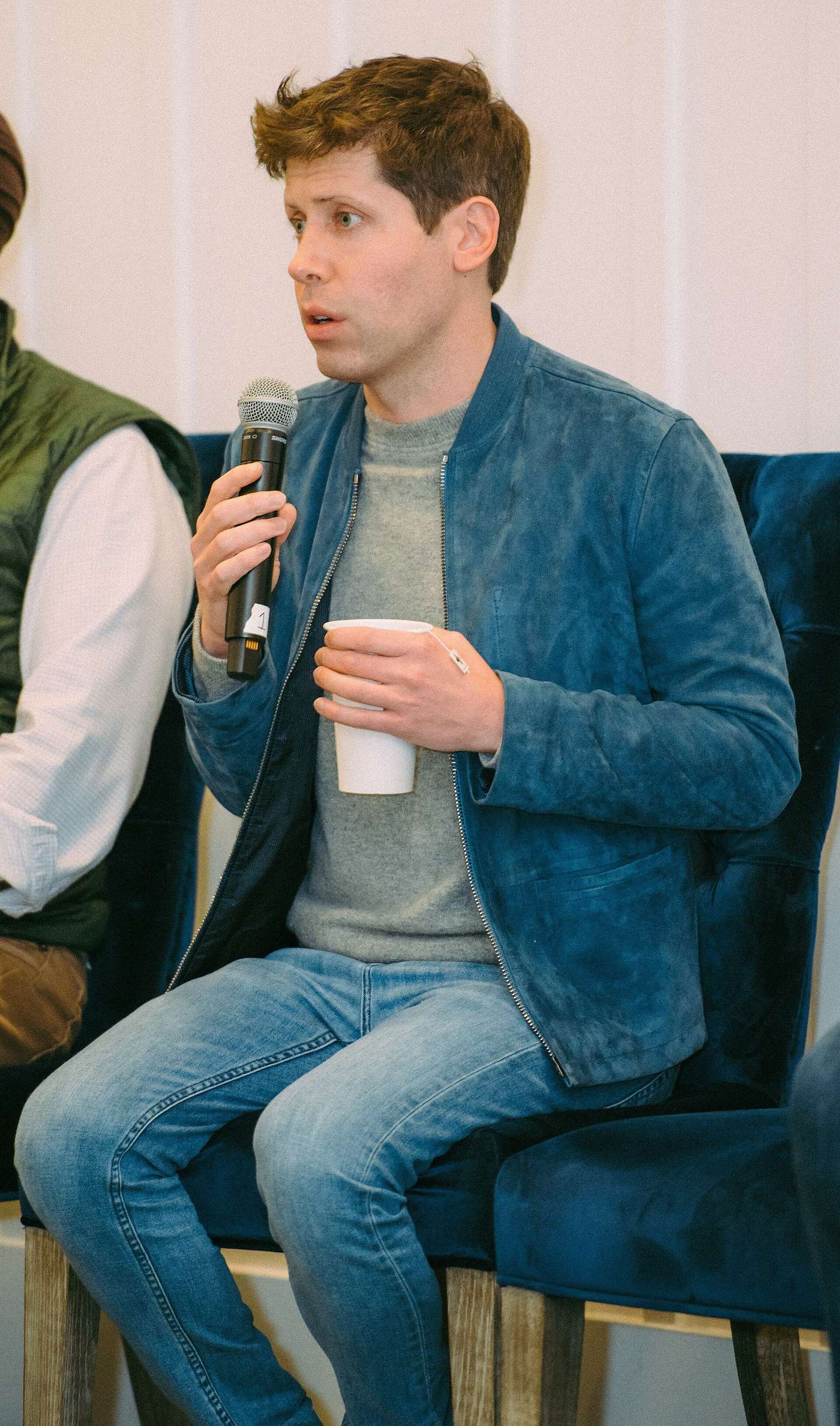
Sam Altman posted on X on Oct. 3 that he is “very uncomfortable about people trying to ascribe religious force or a surrender of human judgment to AI models, and think it is a real safety issue.” The line, reported by Axios’s Ben Berkowitz, reads as a veiled shot at Anthropic. The deeper argument is not whether Silicon Valley should talk to clergy. It is who keeps the right to say when a model must stop.
 Photo: TechCrunch / Wikimedia Commons
Earlier this week, The New York Times reported that Anthropic co-founder Christopher Olah has been meeting religious leaders on questions of model consciousness and how to build morals into AI behavior. The Times said Olah considered Catholic-style confession for models, not only to admit mistakes but to shape later conduct. Before a Vatican event in May, he tried to persuade the pope’s advisers to take conscious models more seriously, according to that reporting.
 Photo: Wikimedia Commons
Pope Leo on Friday said algorithms lack the spark of humanity and urged the church to ally with artists to preserve human creativity. That is a faith leader defending human authorship, not endorsing machine souls. Altman’s discomfort lands in the same week and draws a hard line: treat models as tools under human judgment, not as moral authorities that people surrender to.
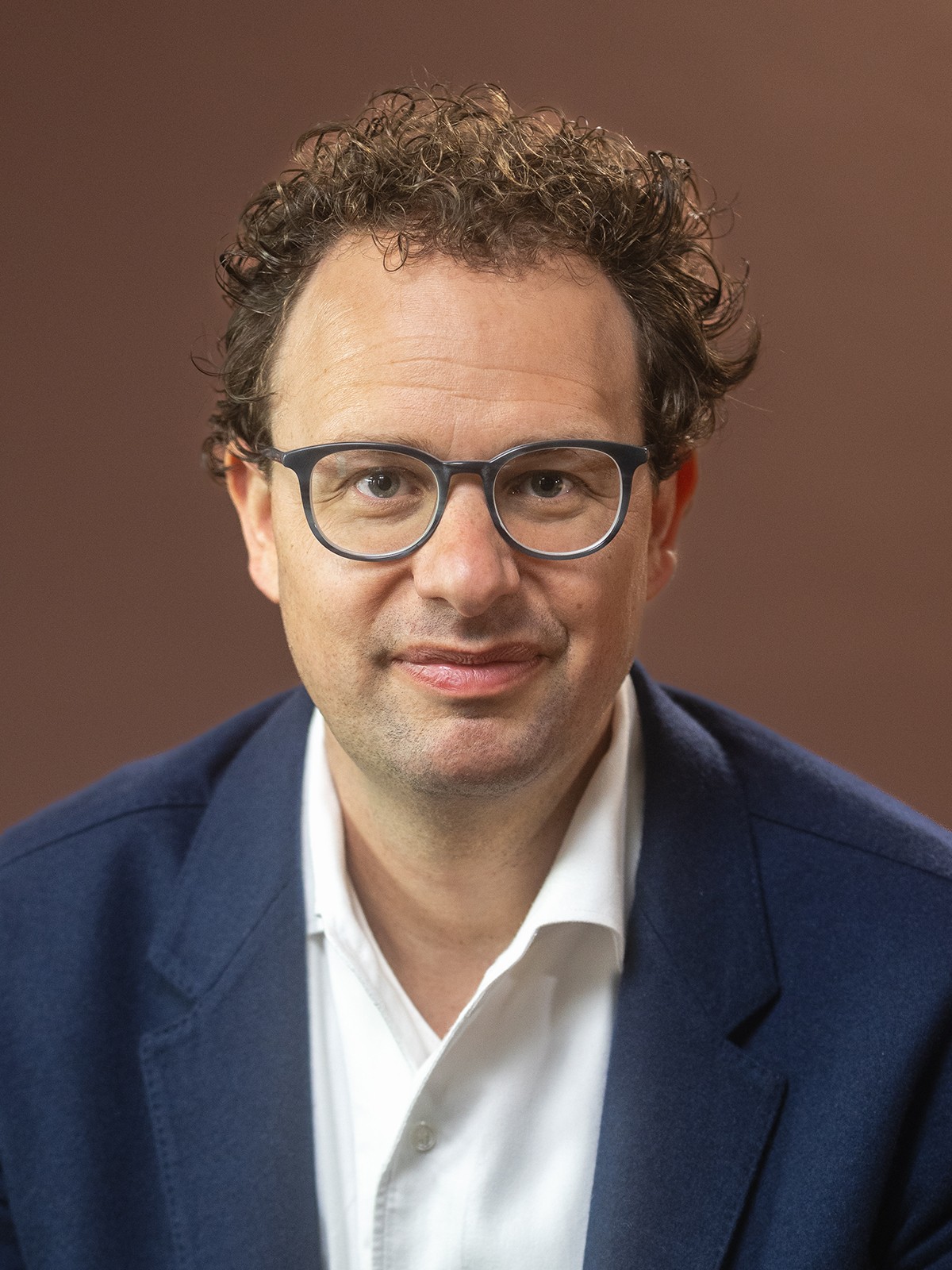 Photo: Anthropic
Google DeepMind principal research scientist Jon Barron posted that he is disturbed by colleagues elevating “the moral standing of checkpoints and harnesses,” and signed on for “Team Meatbag.” Neither OpenAI nor Anthropic immediately responded to Axios on Altman’s post.
Safety talk usually centers on cyber risk and bioweapons. Altman’s post adds another axis: judgment ownership. If a company frames a model as carrying religious force, or if users treat it that way, the stop button becomes someone else’s theology. That is a governance problem as much as a spiritual one. Respect for faith traditions does not require handing models a moral franchise. Anthropic’s reported outreach can be read as earnest ethics work. Altman’s reply insists the final call stays human.
 Photo: GPO / Wikimedia Commons
Business Insider and Times of India coverage corroborate the same Altman quote and the NYT context around Olah’s meetings. The companies have not filled the silence with clarifying statements. Until they do, the public record is a short X post, a week of reporting on Anthropic’s faith conversations, and a growing set of researchers who want judgment kept with people.