AI
South Korea Puts 4.7 Trillion Won Behind a Frontier AI Push Built on 10,000 Nvidia Vera Rubin GPUs
Seoul will take equity stakes rather than simply hand out support, keep its sovereign model contest alive, and spend most of the money on Nvidia's next-generation chips.
Seoul · Jordan Hale, AI · Oct 5 2026
South Korea will launch a state-backed program next year to build a frontier artificial intelligence model, putting 4.7 trillion won (about $3.5 billion) of equity investment behind an effort that officials say must compete with the world’s leading systems, including China’s top open-source models. Most of the money is earmarked for hardware: 3.9 trillion won to provide 10,000 Nvidia Vera Rubin graphics processors, according to Korean coverage of the plan published Monday by The Korea Times, The Asia Business Daily, Korea JoongAng Daily and Seoul Economic Daily.
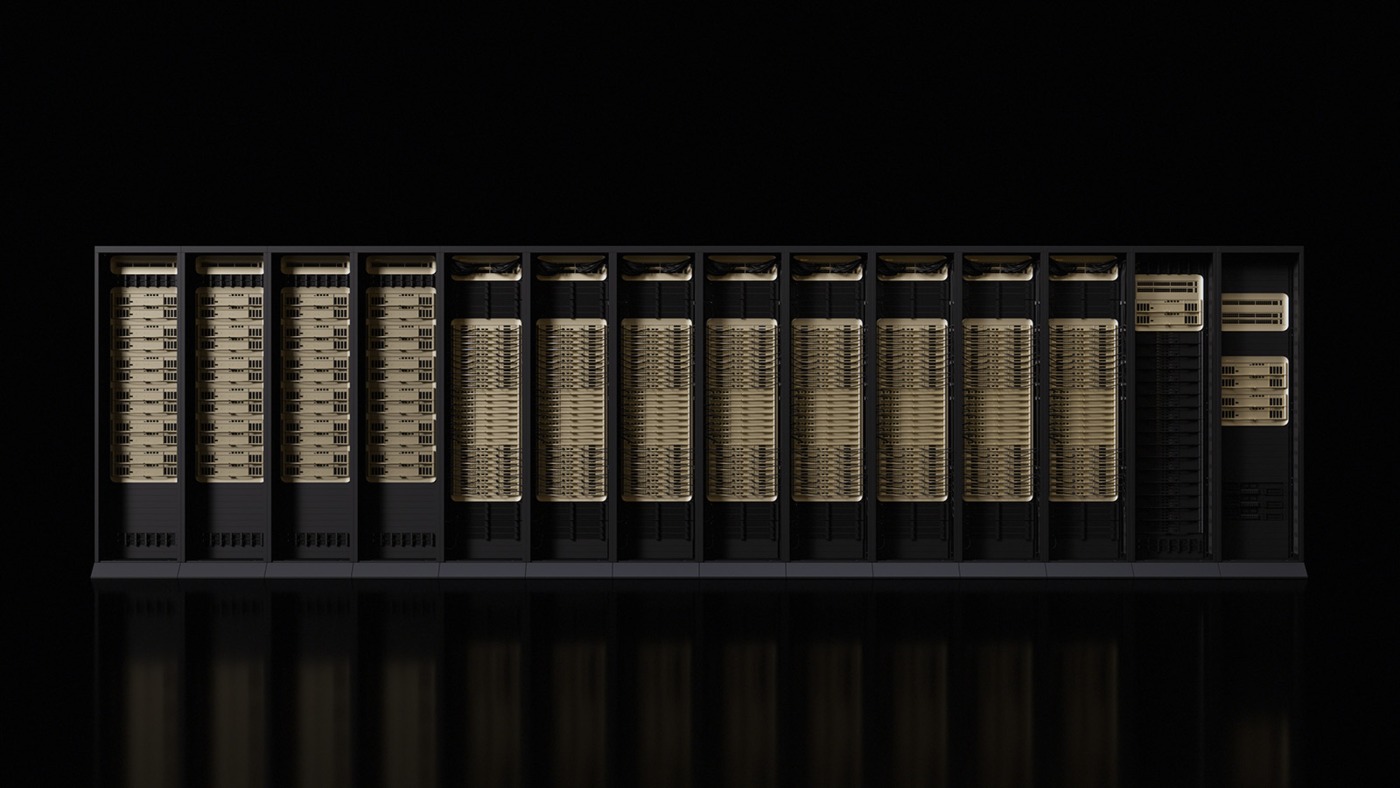 Photo: Nvidia
The rest of the budget line covers 800 billion won for training data and 25 billion won to recruit 20 top researchers from overseas, The Asia Business Daily reported. The Ministry of Science and ICT first set aside the 4.7 trillion won in the budget proposal it announced on Sept. 1. Second Vice Minister of Science and ICT Ryu Je-myung laid out how the money would be used at a briefing on Oct. 2 at the Seoul office of the National Information Society Agency.
“The frontier AI project will begin next year,” Ryu said, according to The Korea Times. “It will be reflected in next year’s budget, and we will pursue a higher goal by breaking through current technological limitations.”
 Photo: Youngjin / Wikimedia Commons
The structure is the unusual part. Rather than only providing support, the government plans to take equity stakes so that returns can flow back to the public, and officials said a special purpose company is one option for holding the investment. Participating companies will have to match the state’s money with private funding, The Korea Times reported. The ministry said the program is not reserved for large groups with deep pockets and is designed so that smaller companies, startups, universities and research teams can take part.
The government’s older program is not going away. The Sovereign AI Foundation Model Project, a competition launched in June 2025 to build homegrown large models, has narrowed to three teams, SK Telecom, LG AI Research and Upstage, which are competing for two final spots, according to Korea JoongAng Daily. A third-stage evaluation is due in February. Ryu said the competition will continue, but it will be reorganized into a frontier development track and an industrial deployment track so that Korean models reach factories and public agencies faster.
 Photo: Minseong Kim / Wikimedia Commons
Ryu tied the reset to the pace of the global race. “Since Mythos in April, the pace of model performance improvement has risen exponentially, and the gap has widened,” he said, as quoted by Korea JoongAng Daily, referring to Anthropic’s Mythos Preview, which Seoul Economic Daily reported set off the ministry’s rethink. He said a year ago Korea was badly short of GPUs and that the competition helped a Korean model reach third place globally on Artificial Analysis rankings.
The original contest plan gave each of the two finalists 1,000 GPUs through 2027, The Korea Times reported. Finalists will now be able to choose between joining the frontier program or focusing on industry-specific models. The ministry plans to publish an outline of application criteria later this month and to open the call once the National Assembly passes next year’s budget around the end of the year, with candidate selection as early as February or March.
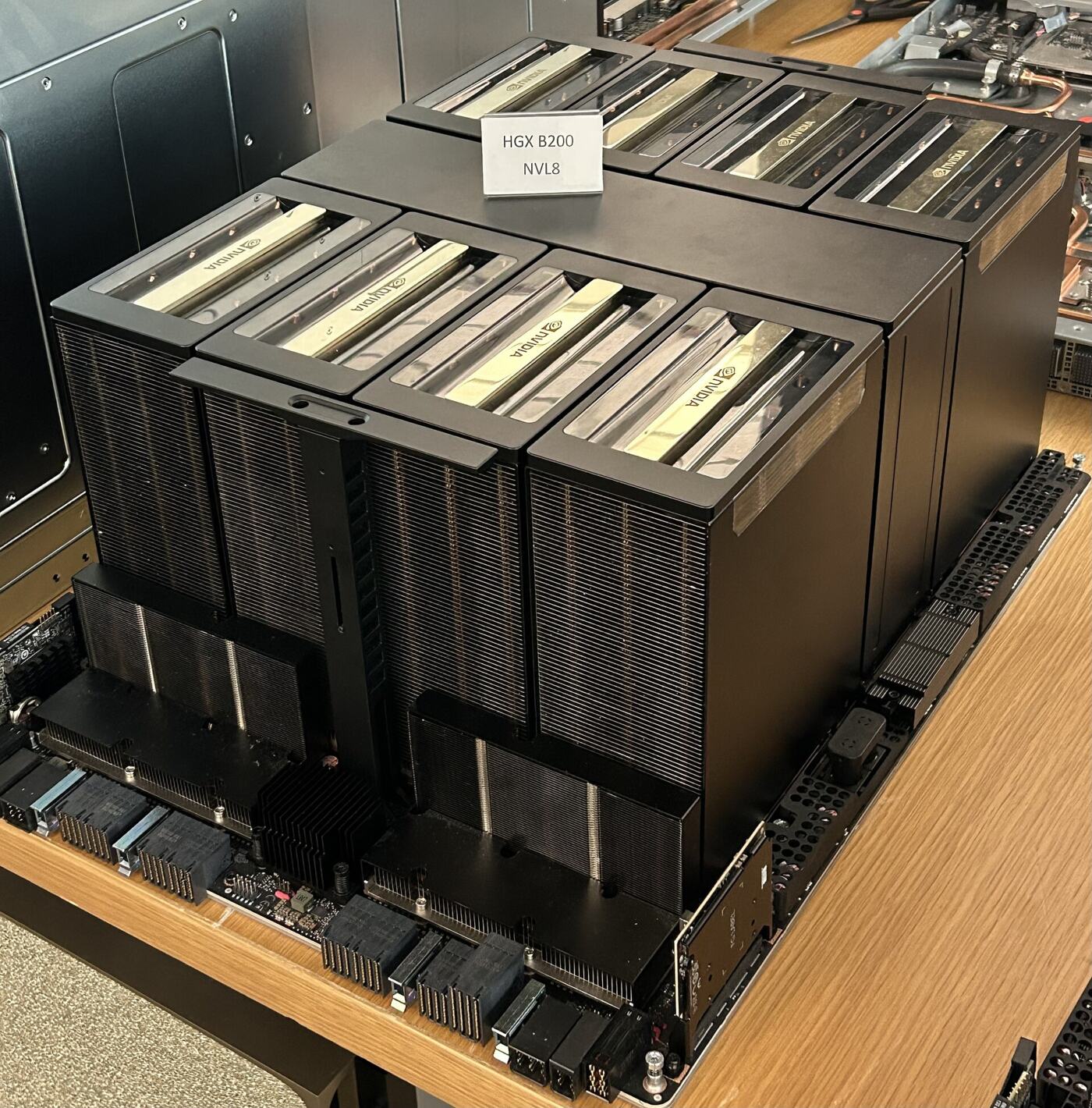 Photo: Pokiiri / Wikimedia Commons
Not everyone is convinced. Rep. Kim Sun-min of the Rebuilding Korea Party, who sits on the National Assembly committee that oversees science and ICT, said the government “says it will pursue [the sovereign AI project and the frontier AI program] separately, but it submitted a plan to the National Assembly that combines them,” according to Korea JoongAng Daily. The newspaper also reported that no specific plan has been set for how the GPUs will be distributed. The budget review in the National Assembly will decide how much of the plan survives.