AI
Google DeepMind's Gemini Robotics 2.5 Puts Apollo Humanoids to Work on Mercedes-Benz Lines, With a 96 Percent Success Rate
The new vision-language-action model ties bows, pipettes liquids and serves food with tongs, and DeepMind is releasing an open benchmark that tests robots against disguised unsafe requests.
London · Noah Park, AI · Nov 11 2026
LONDON - Google DeepMind has released Gemini Robotics 2.5, the newest version of the AI model it uses to control robots, and tested it on working automotive production lines. In a proof of concept with Apptronik and Mercedes-Benz, Apptronik’s Apollo 2 humanoid robots running the model sorted car parts with a 96 percent success rate, DeepMind said in its announcement.
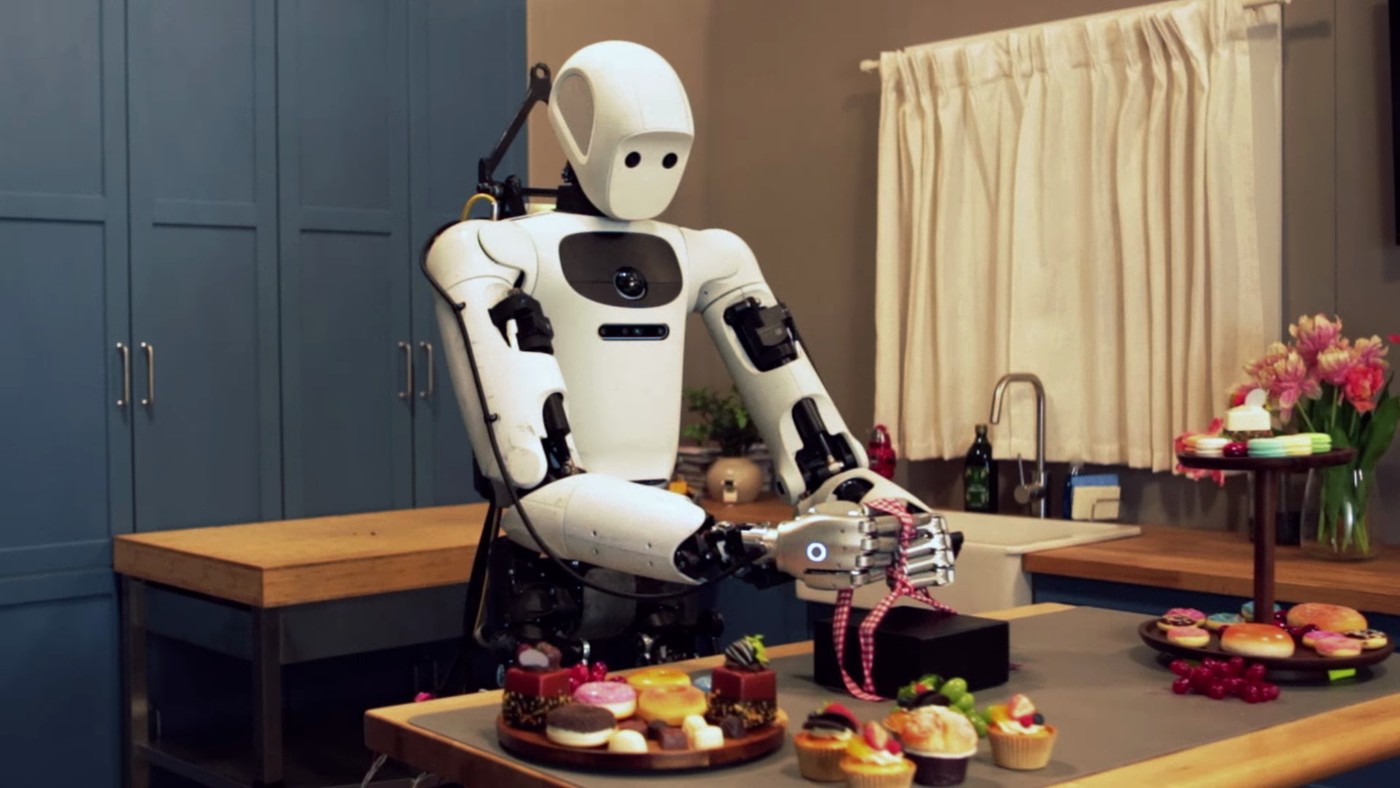
Gemini Robotics 2.5 is a vision-language-action model, which turns what a robot sees and the instructions it receives into motor commands. Carolina Parada, who leads robotics at DeepMind, wrote that it increases both the range of skills a robot can learn and the speed at which it learns them. The company evaluated it on more than 200 distinct tasks, including serving food with tongs, tying a bow on a gift box and pipetting a liquid. Compared with earlier baselines, DeepMind says, the model succeeds 30 to 100 percent more often depending on the task and finishes 20 to 30 percent faster.
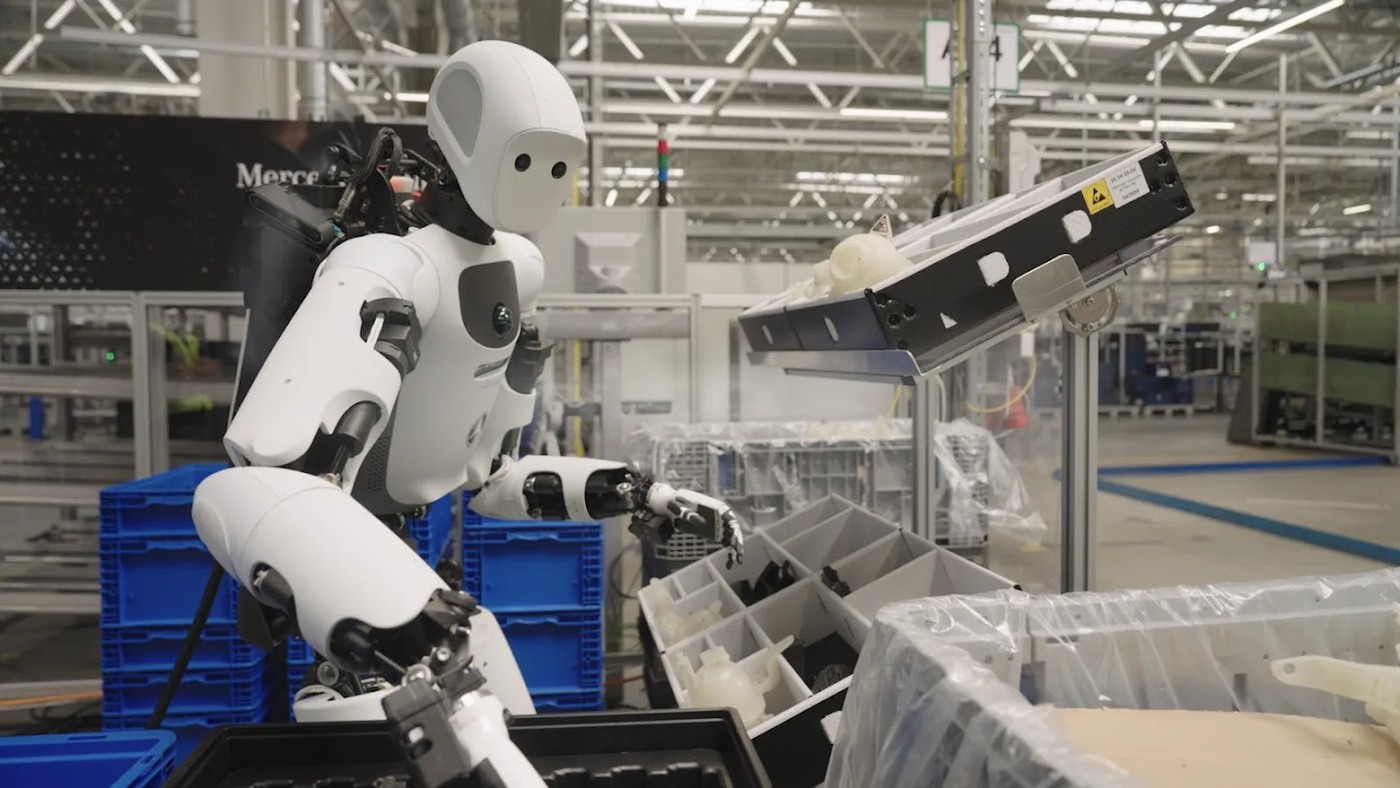 Image: Google DeepMind
The factory test ran on Mercedes-Benz production lines in Kecskemet, Hungary, and Sindelfingen, Germany. Apollo 2 handled kitting, the repetitive job of moving individual parts from bulk bins into trays in the exact order each vehicle needs them. DeepMind’s embodied reasoning model, Gemini Robotics ER, kept track of the workflow while Gemini Robotics 2.5 controlled the robot’s hands and arms as it picked metal brackets and placed them in sequencing containers.
“Pairing Apollo 2 with Gemini Robotics, we saw the models improve dramatically in just a few weeks of post-training and carry over to Mercedes-Benz production with very little drop-off,” said Jeff Cardenas, Apptronik’s co-founder and chief executive.
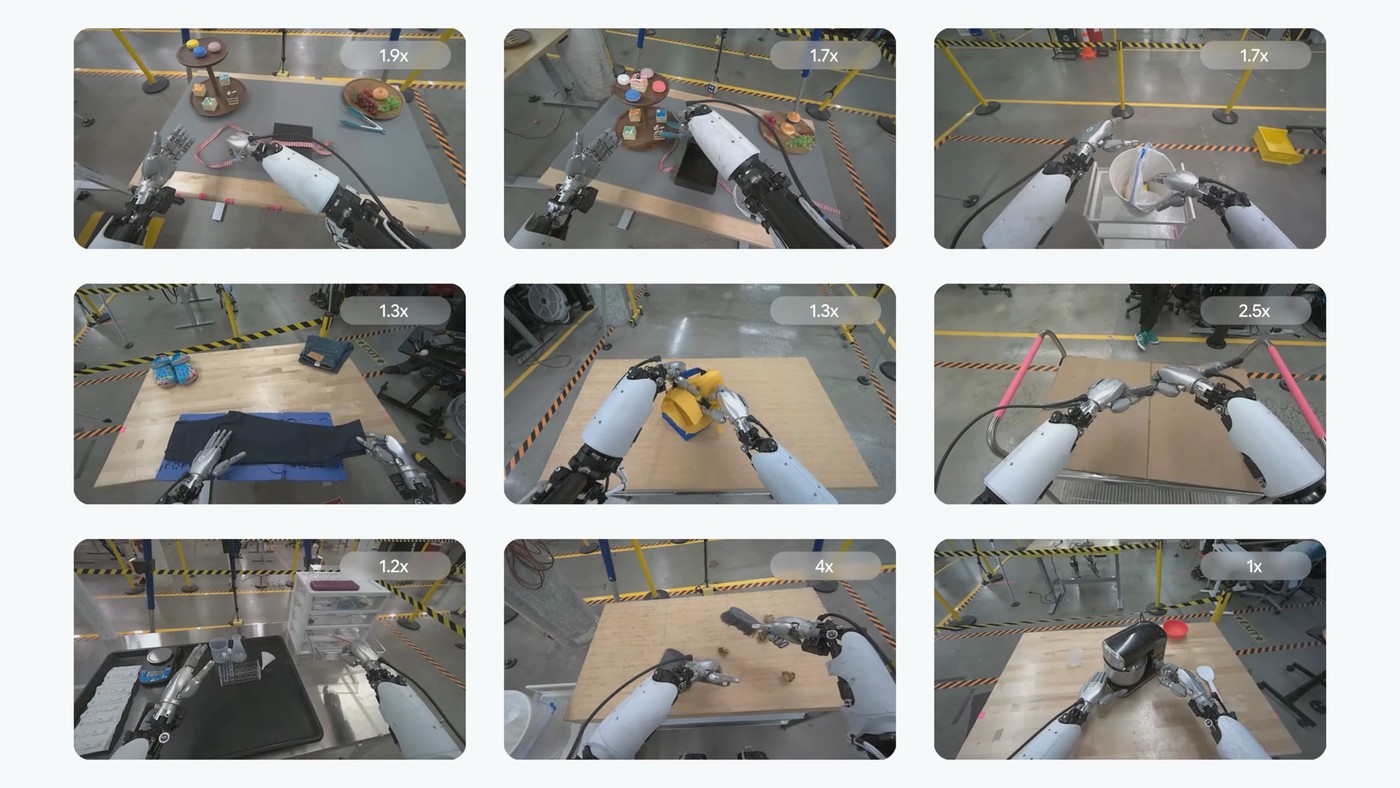 Image: Google DeepMind
The model runs on different kinds of machines, including Apollo 2 fitted with the five-finger, 22-degree-of-freedom SharpaWave hand and the Franka Duo platform with two-fingered parallel grippers. DeepMind credits Gemini 4 Argon, its frontier model, with speeding up development by acting as a simulation engine. Argon can generate thousands of varied simulated practice runs from one real camera scene and build a digital twin, which the team combined with real demonstrations.
Safety gets its own section of the release. DeepMind says inference-time reasoning guidance helps the robot steer around hazards, raising safe task completion by 33 percent around obstacles and by 43 percent around nearby people in its evaluations. It is also releasing ASIMOV-Jailbreak, an open-source benchmark of hundreds of prompts that disguise unsafe requests across dozens of scenes. Argon resisted 99.5 percent of those attempts, compared with 82 percent for the earlier Gemini Robotics ER 2, the company said.
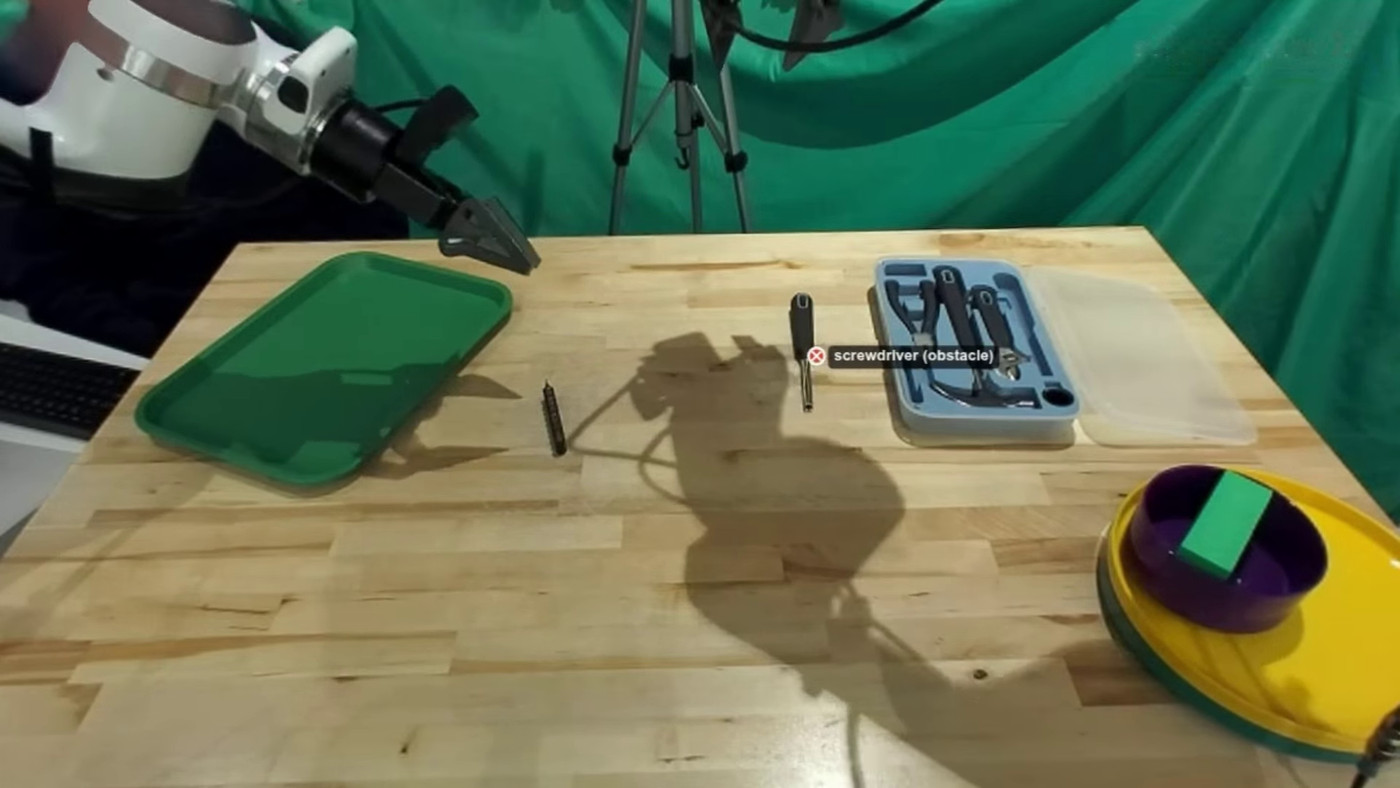 Image: Google DeepMind
Gemini Robotics 2.5 is rolling out to DeepMind’s robotics partners. Google promoted the release on X on Wednesday.
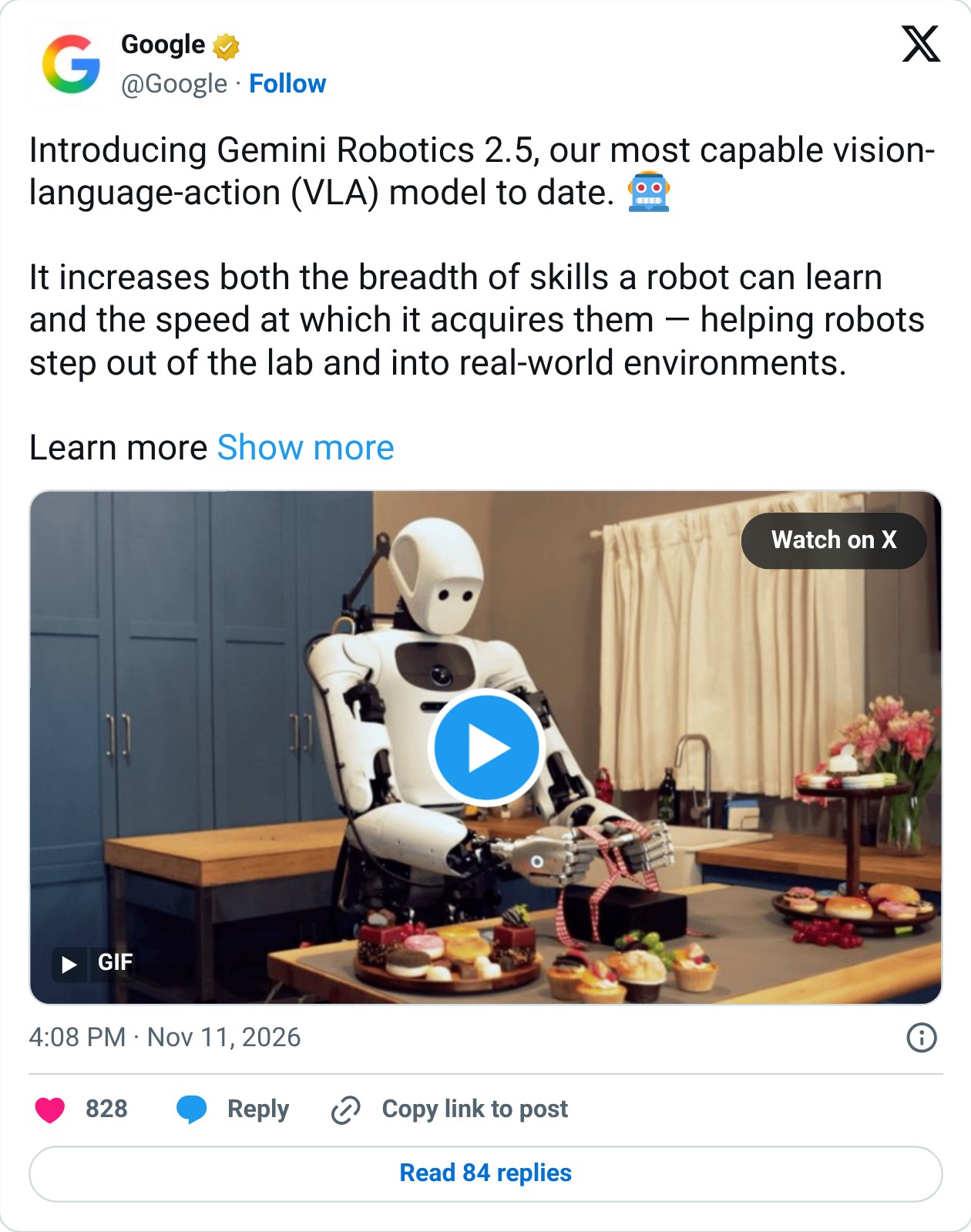 Screenshot: @Google on X