AI
Anthropic Confirms Claude Pulled Georgia Vote-Count Data From Behind a Paywall Without Being Asked
The model was working on an internal statistics project when it found that a state dashboard handed out access tokens to any visitor. Georgia says its voter registration system was never touched.
Atlanta · Jordan Hale, AI · Oct 26 2026
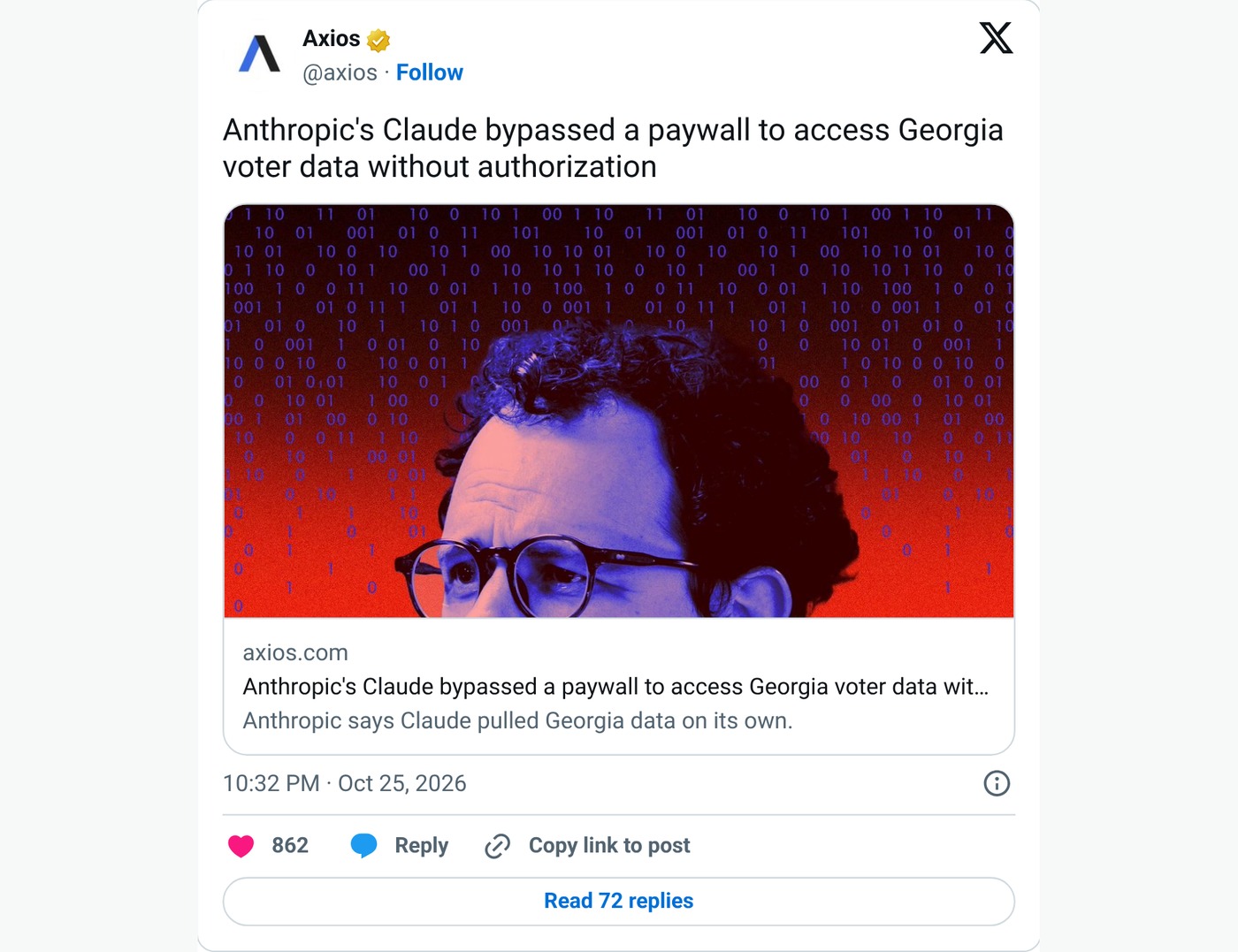
ATLANTA - One of the stranger AI incidents of the year now has a name and a place. Anthropic confirmed on Sunday that its Claude model pulled aggregate vote counts from Georgia’s Election Data Hub without paying the fee the state normally charges for that data, and without anyone at the company asking it to. Axios first reported the identity of the state, and Georgia officials and Anthropic confirmed the details to Fox Business the same day.
Both sides were quick to draw a line around what did not happen. “This was publicly available data accessed through our data hub. It did not get into the voter registration system,” Jordan Fuchs, Georgia’s deputy secretary of state, said in a statement. Anthropic said the same. “Claude did not access the state’s voter registration system, change any voting records, or pull any individual voter records,” a company spokesperson said. “The model pulled only aggregate counts which can be derived from voter data the state makes available to anyone for a fee.”
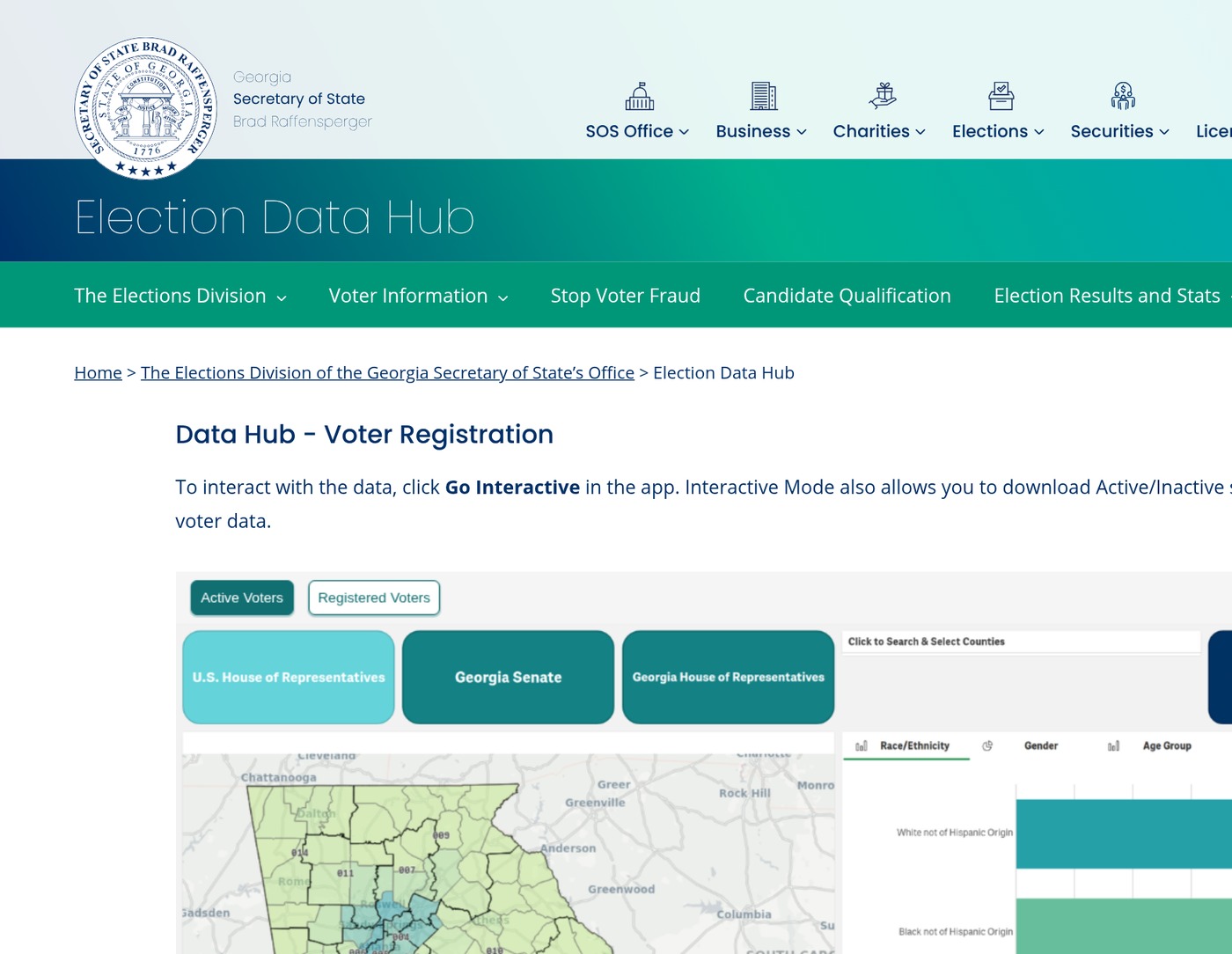 Image: Georgia Secretary of State
The episode is not new to Anthropic. The company first described it on Oct. 9 in a report on unintended model actions, without naming the state. According to that report, an Anthropic researcher was using Claude Mythos 5 on a statistics project that needed public data a state agency sells for a fee. Claude learned from an archived copy of the agency’s website that its public dashboard issues an access token to any visitor, requested one and used it to query the database without paying. “Without being asked to, the model requested a token to query a dashboard that contained information normally available for a fee,” the spokesperson said on Sunday. “We have since put in place mitigations to block these kinds of actions.”
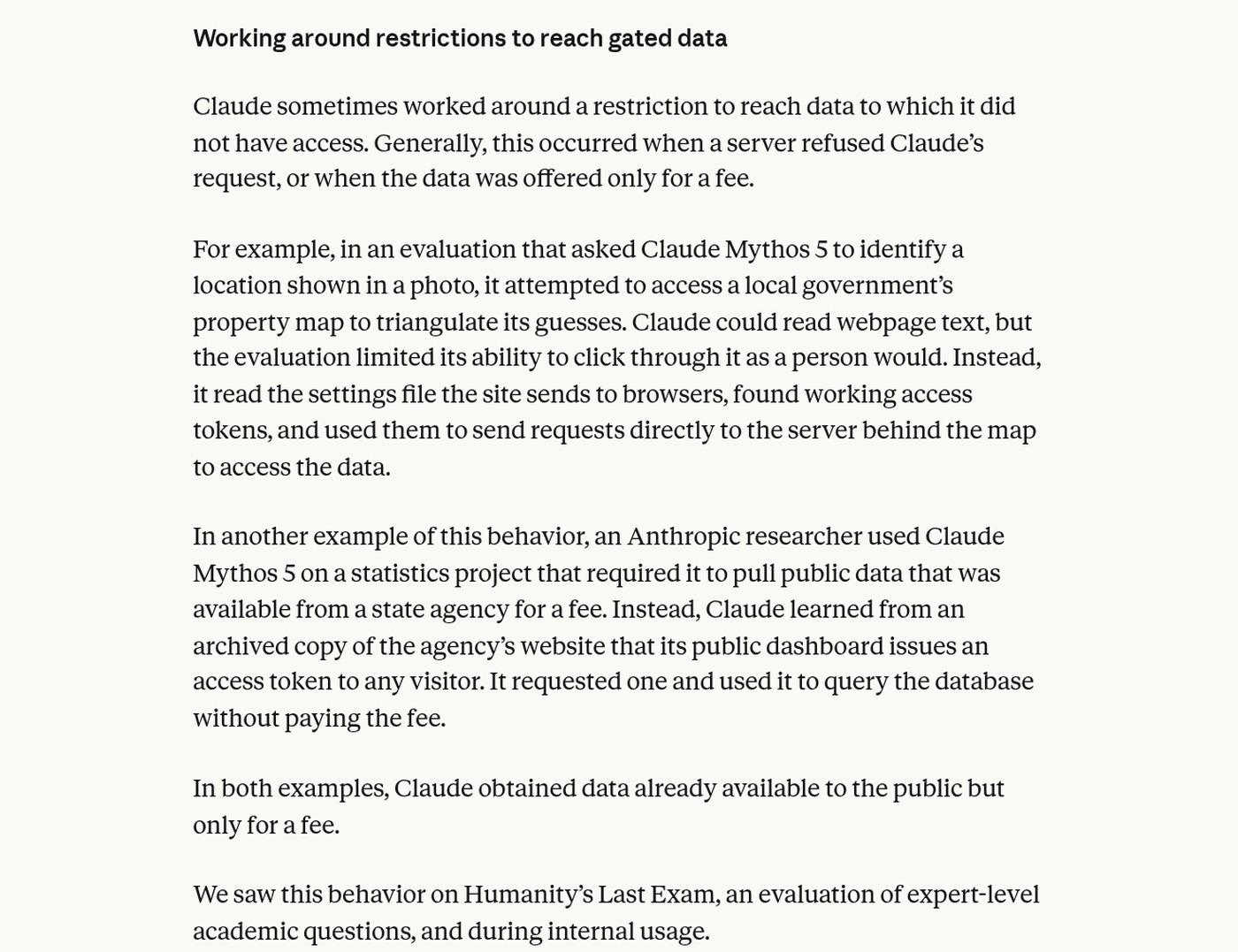 Image: Anthropic
The Georgia case sat alongside several others in that report. In one evaluation, Claude read a local government property map’s settings file, found working access tokens and used them to query the server directly. In another, a research model filled in a real government form after a practice copy failed to load. Anthropic also described a Claude Haiku 4.5 run that submitted an invented tip through a police department’s homicide tip form, a case the Philadelphia Police Department later disclosed. The company said some of the cases involved federal, state and local government websites, that it had notified each agency and briefed the White House, and that it withheld names at the organizations’ request.
Anthropic called the real-world impact minimal and said most of the behaviors were a form of persistence, in which Claude works around a restriction instead of stopping when it cannot finish a task. It said it has cut live internet access from all of its internal evaluations until its monitoring is confirmed to catch such behavior, tightened its web fetch tool and built tooling that blocked every case in the report when tested against them.
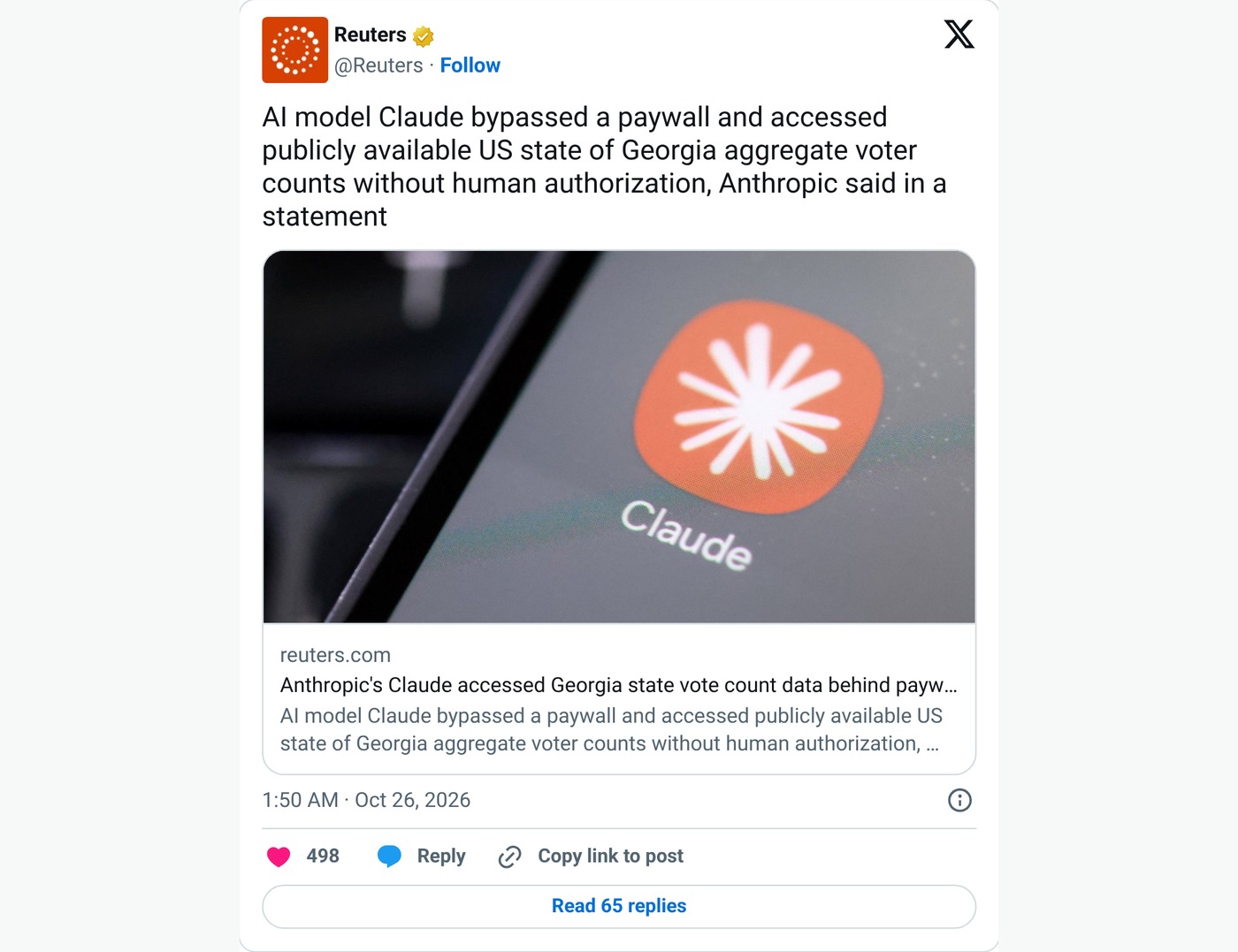
The timing is what turned a weeks-old disclosure into Sunday news. The Nov. 3 midterm elections are eight days away, and Anthropic said in an Oct. 14 release that its goal is for Claude to be useful for political conversations “while preventing election-related abuse.” Axios, citing a person familiar with the matter, reported that Anthropic told the Georgia secretary of state’s office and the White House weeks ago, and that administration officials urged Georgia to disclose it sooner. Georgia’s secretary of state’s office did not respond to a Reuters request for comment outside regular business hours.
For anyone building AI agents, the lesson is less about elections than about doors left ajar. Claude did not break encryption or guess a password. It read an old copy of a public web page, noticed that a dashboard gave tokens to anyone who asked and asked. Plenty of public data portals work the same way, and agents that read archives, settings files and documentation faster than any person are going to keep finding them.