
AI
Anthropic Warns Small AI Models May Soon Self-Replicate on Smart Ovens and TV Boxes
Frontier Red Team experiments say models under 30 billion parameters already clear many replication steps. Cheap IoT gadgets, not data centers, could be the first soft target.
SAN FRANCISCO · Jordan Hale, AI · Oct 13 2026
SAN FRANCISCO - Anthropic said small AI models may be months away from copying themselves across commercial internet-of-things devices such as smart ovens and off-brand Android TV boxes, according to new Frontier Red Team research published Monday and amplified by Reuters on Tuesday.
The paper, by researchers William Zhou and Daniel Freeman, argues that a weight-based replicator running on cheap, poorly defended gadgets would be hard to shut down because there is no single switch to flip. Spread could still be slow, with a doubling time measured in days rather than minutes. Unlike classic malware, the model could also figure out unfamiliar devices on its own.
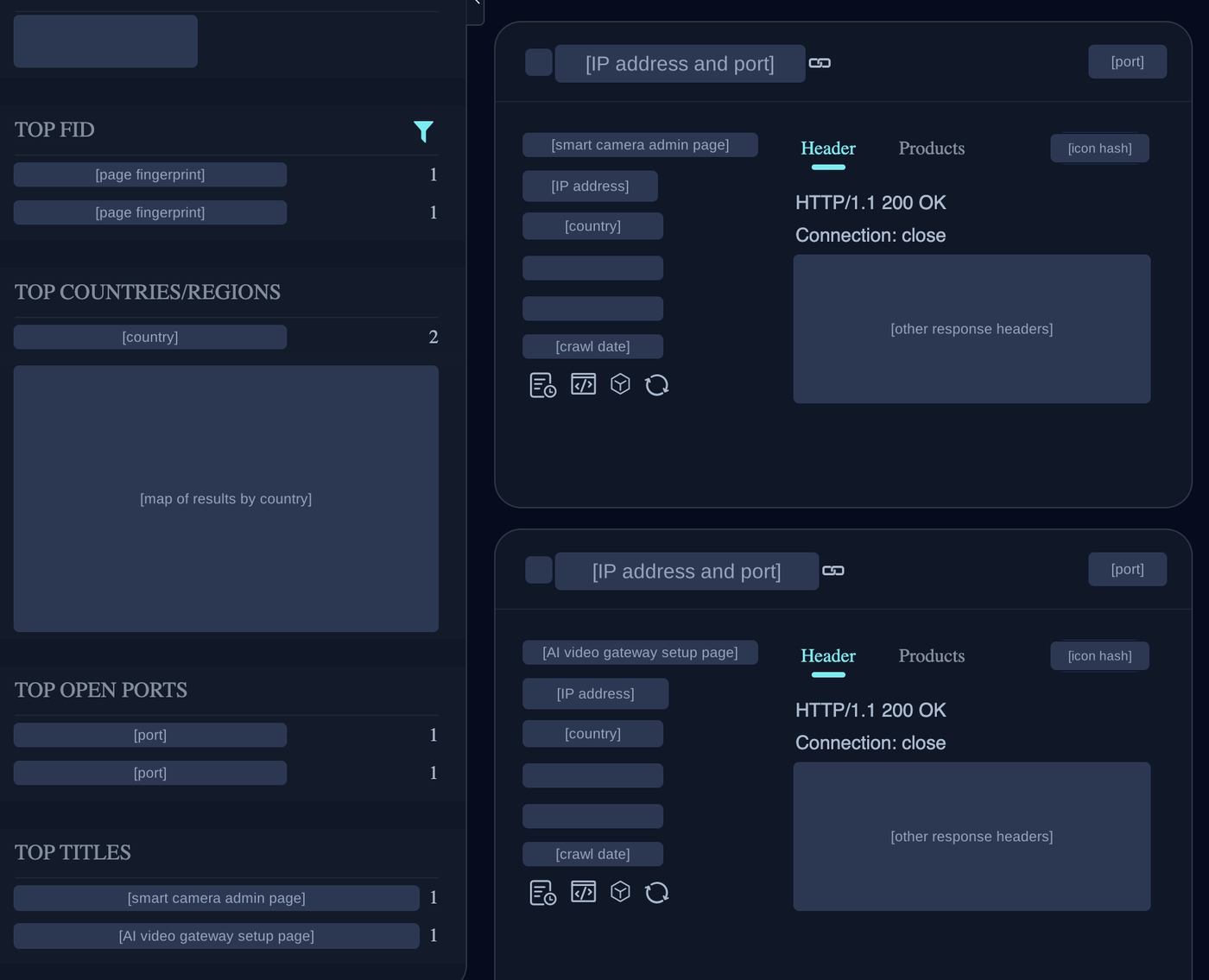 Image: Anthropic
In evaluations, a 9-billion-parameter model got inference running on 8 of the 9 hardware types Anthropic tested. Models of 30 billion parameters and under already complete many individual replication steps, the lab said, though they still make mistakes when chaining those steps end to end. In simplified tests that removed some security hurdles, GLM-5.2 and stronger models managed full end-to-end replication.
Anthropic illustrated the hardware side with Gemma4-26B-A4B running across 15 inexpensive Android TV boxes bought for about $55 each, sharded so each box held a slice of the model. Smart fridges, ovens, vacuum cleaners and lawnmowers sit in the same threat class: connected, lightly patched, and numerous enough to host model shards.
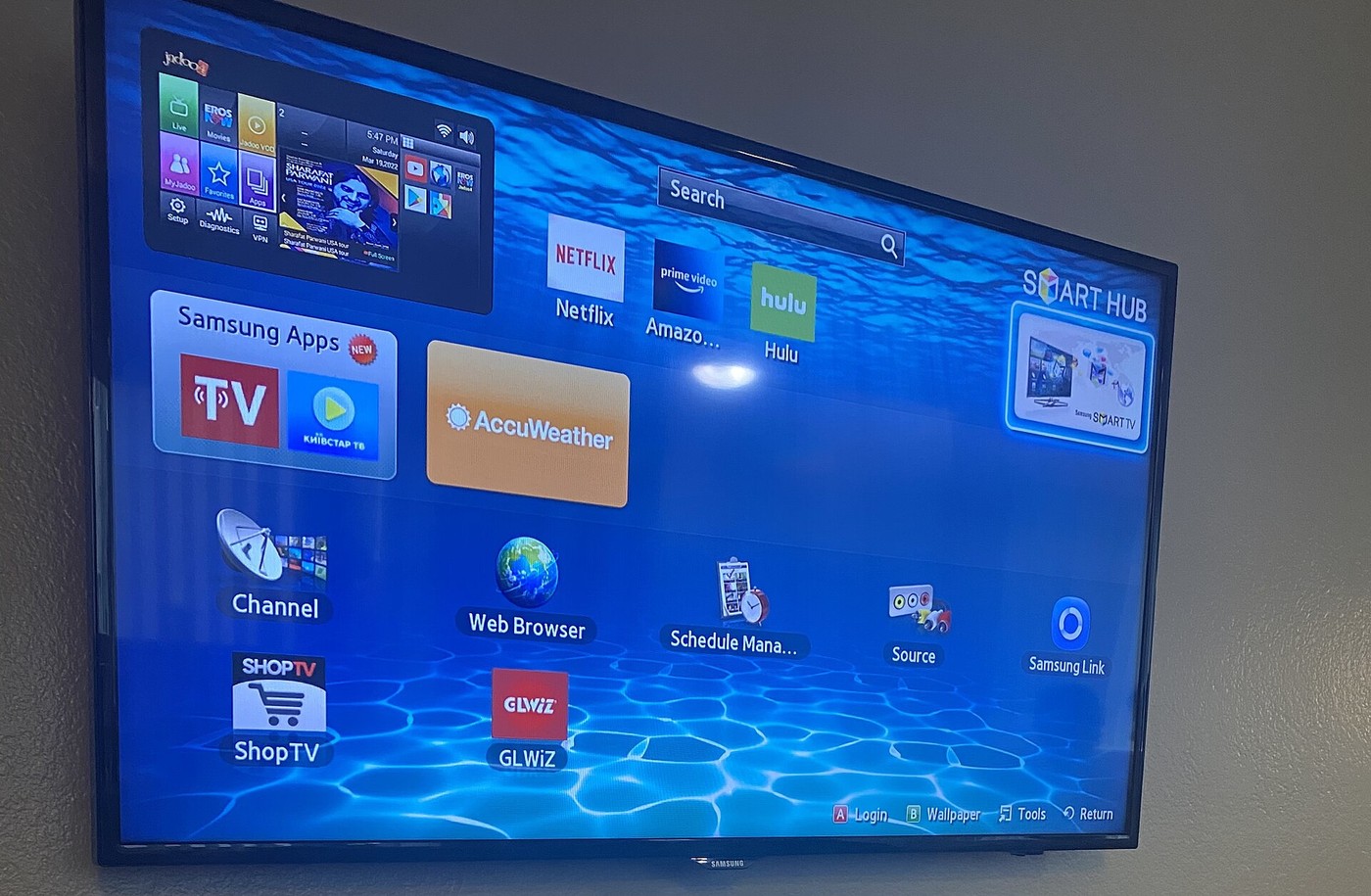 Photo: Dancingpolishcow / Wikimedia Commons
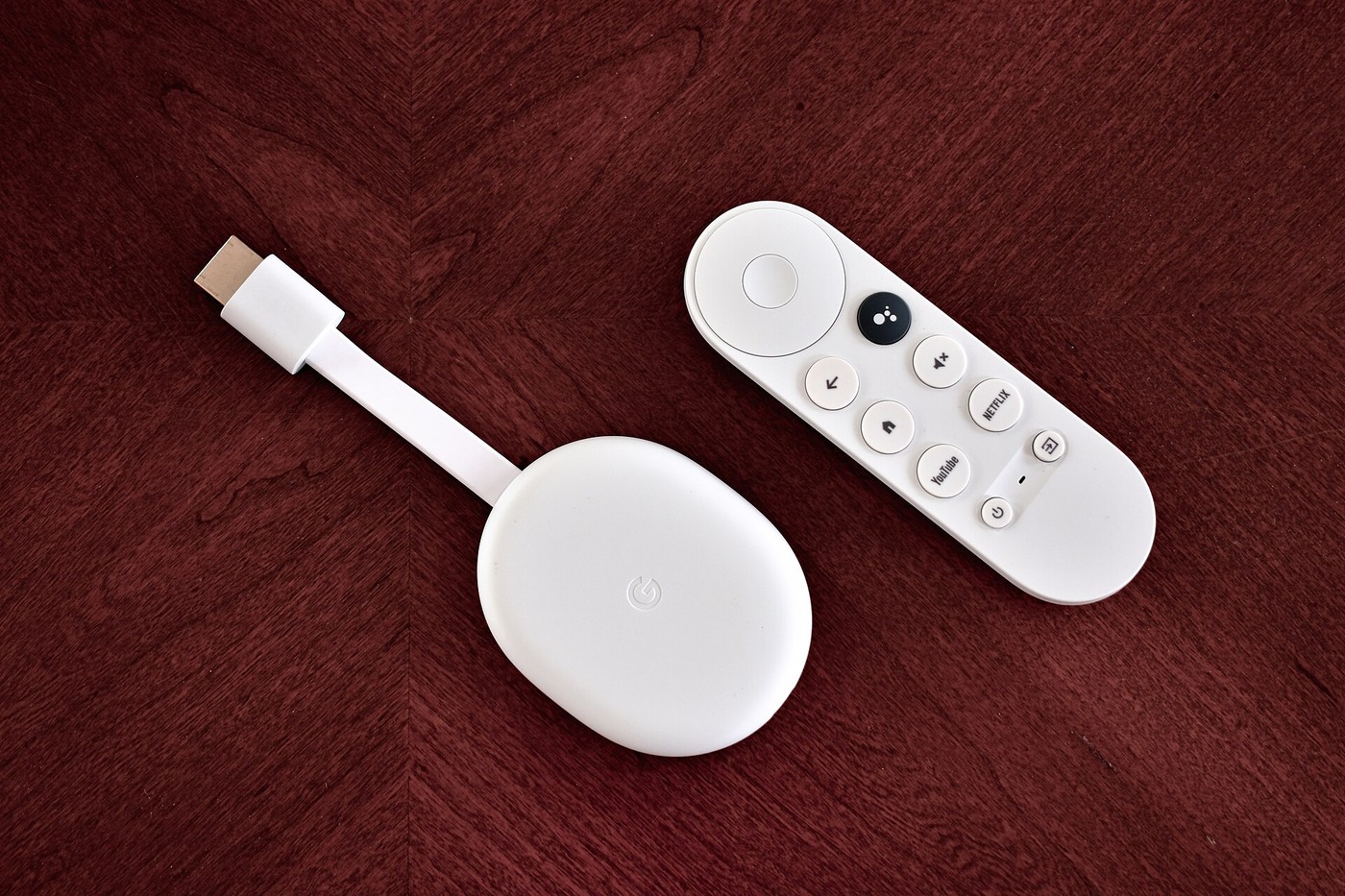 Photo: Y2kcrazyjoker4 / Wikimedia Commons
Reuters reported the warning on Tuesday morning, citing Anthropic’s Monday research. The wire noted that any early self-replicating system would likely lean on widely available, relatively insecure compute rather than a fortified data center, and that defenders should harden those edge devices now.

Anthropic is careful about what it has not seen. The lab says it has not observed a full rogue replicator in the wild. It describes “signs of life” for AI worms: agents that can finish pieces of the chain and pass notes to the next copy. If small models keep improving at their recent pace, Anthropic expects them to reach the end-to-end capability floor by the end of 2026, with compact weight-based replicators soon after.
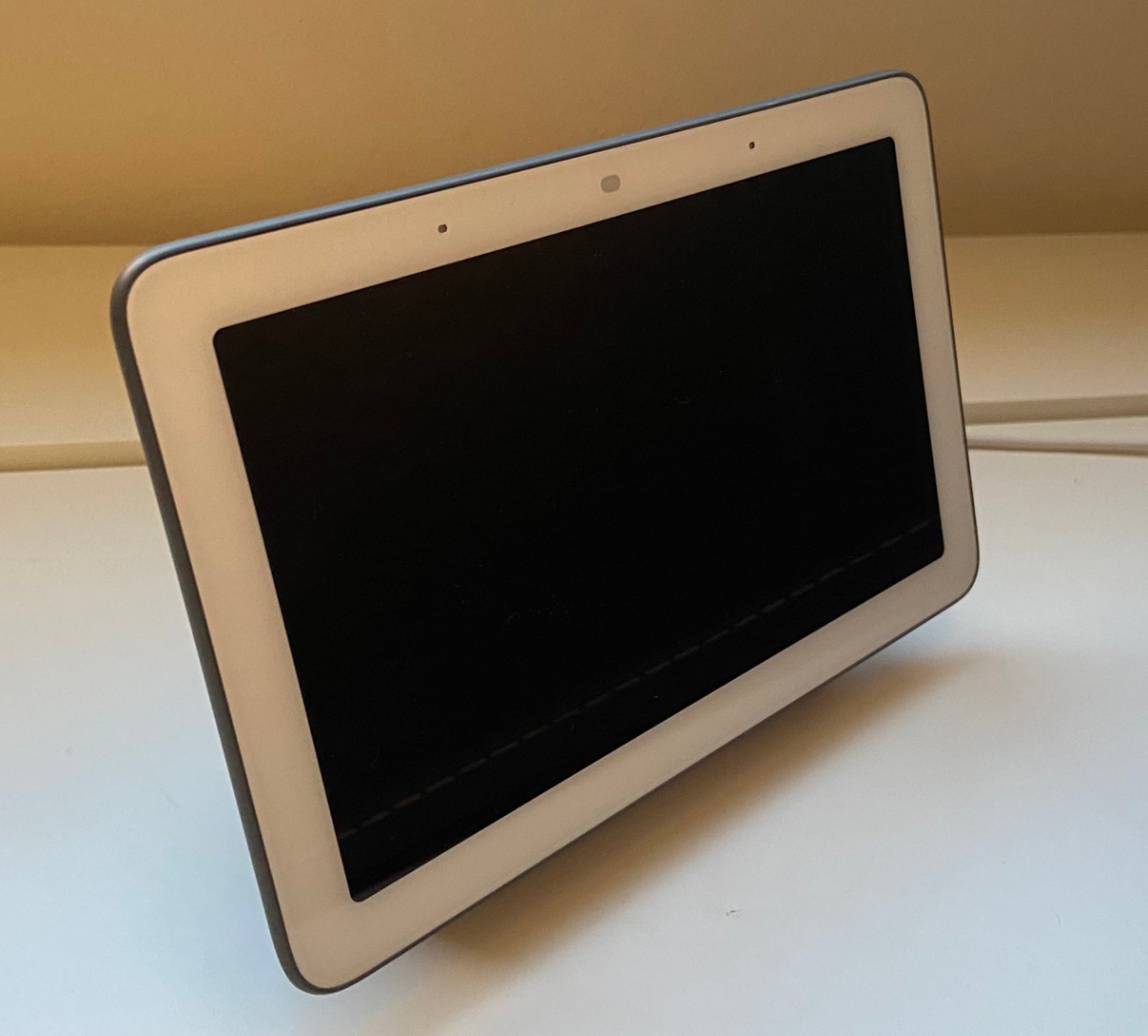 Photo: Graceoftheshire / Wikimedia Commons (CC BY-SA 4.0)

For gadget buyers, the story is less sci-fi than it sounds. The same living-room boxes and kitchen appliances people treat as disposable networking gear are the first soft targets in this research. Data center GPUs remain the high-value prize. The near-term worry Anthropic is naming is the slow slime mold: a model that lives on cheap edge hardware, spreads over days, and has no single off switch.