Gadgets
Alibaba Puts Qwen N1 AI Glasses on Sale in China, With Iris-Scan Payments on the Pro Model
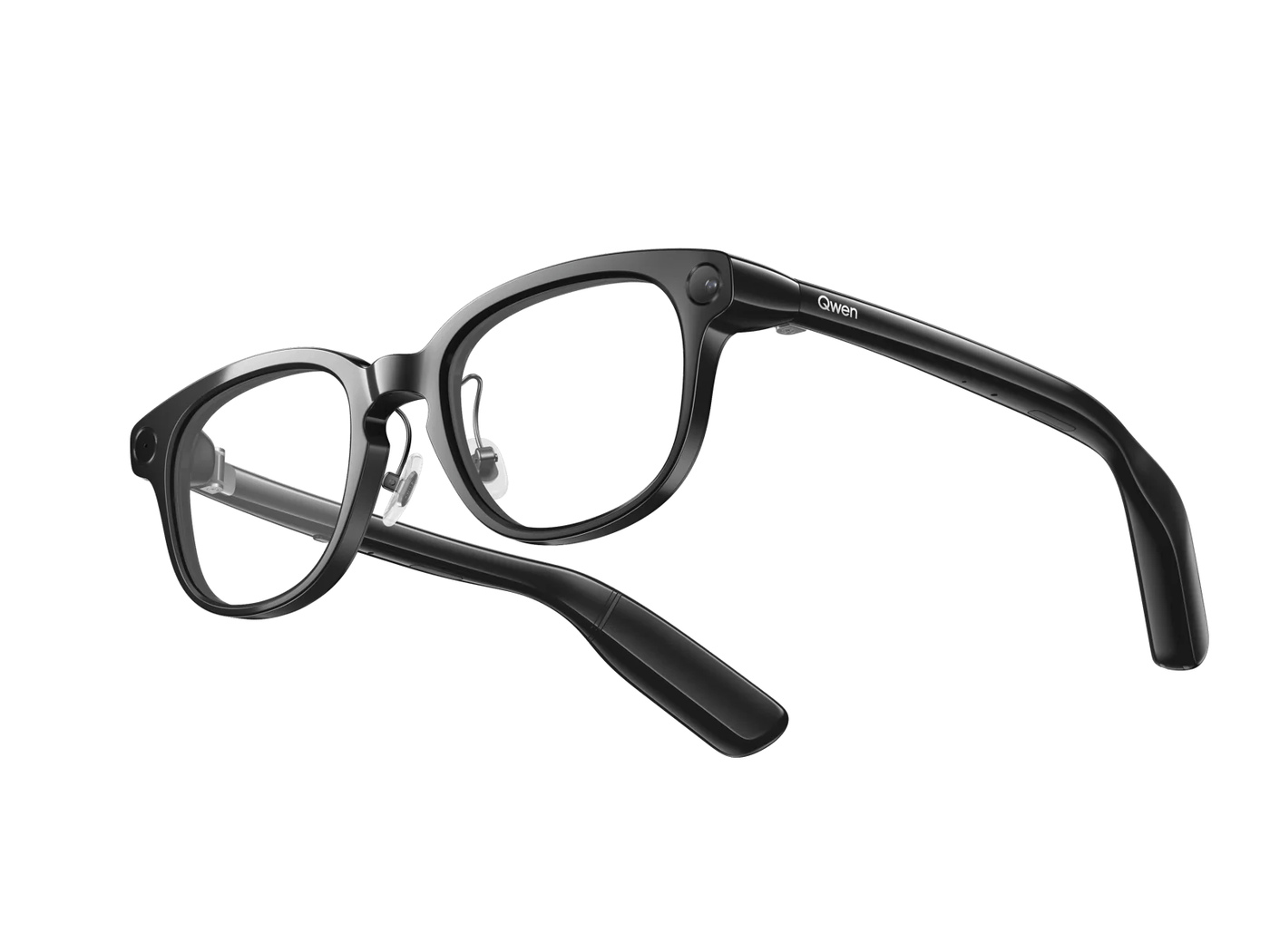
The 50-megapixel glasses start at about $450 and swap batteries in the temples. The N1 Pro adds eye tracking and heart-rate, blood-oxygen and skin-temperature sensors.
Hangzhou, China · Kenji Watanabe, Gadgets · Oct 14 2026
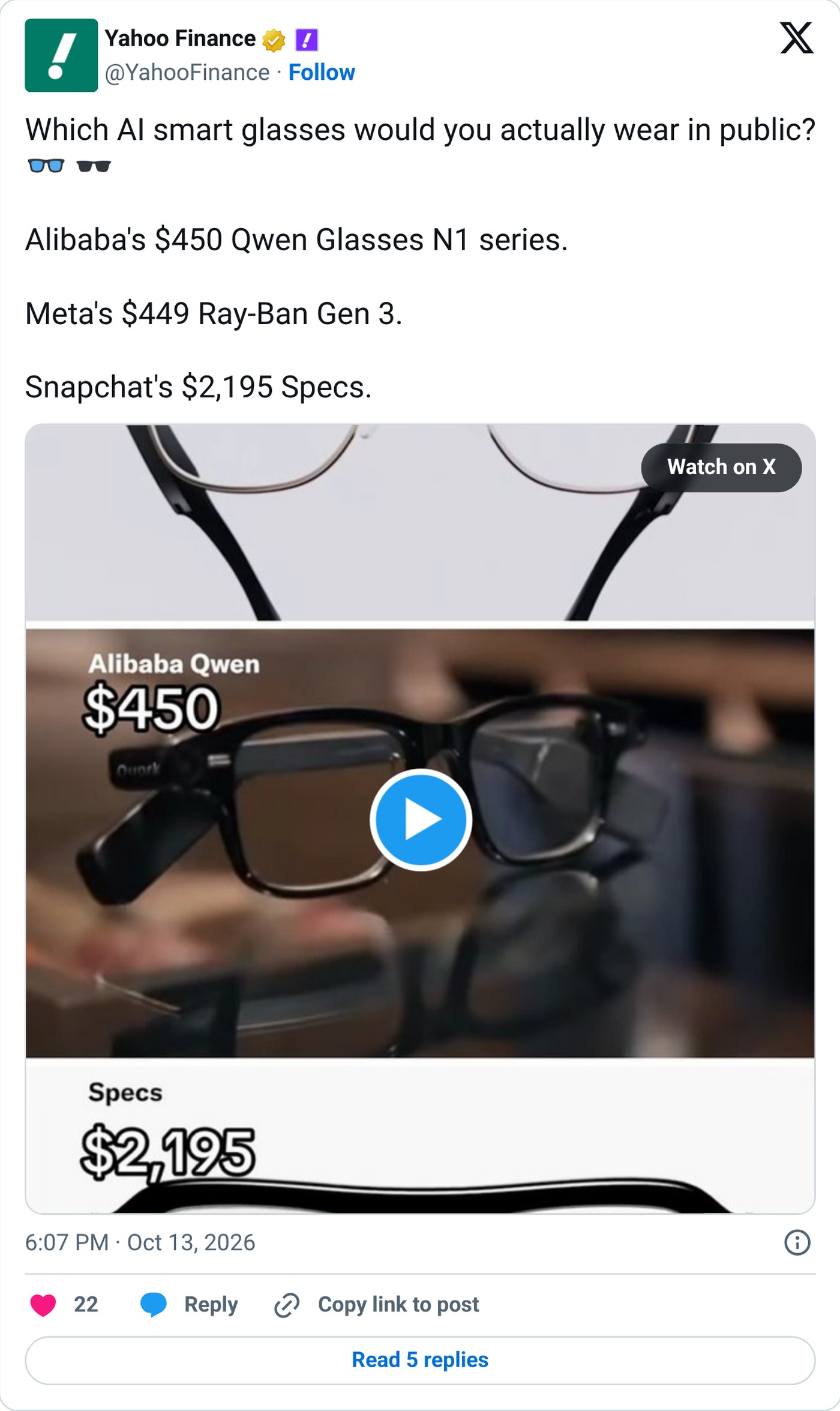
HANGZHOU, China - Alibaba began selling its Qwen Glasses N1 and N1 Pro on Oct. 13 after a launch event in Hangzhou, putting its Qwen AI assistant into a pair of camera glasses priced in the same range as Meta’s Ray-Ban models. Bloomberg reported a starting price of 2,999 yuan, about $450, for the N1 and 3,499 yuan for the N1 Pro. Chinese outlets including IT Home listed the standard bundles slightly lower, at 2,899 and 3,399 yuan, with national subsidies cutting the entry price to 2,218 yuan. The glasses went on sale the same day through Taobao, Tmall, JD.com and Douyin.
Both models use a 50-megapixel camera with 4K video and multi-stage stabilization, and wearers talk to Qwen through bone-conduction microphones. The assistant handles translation, meeting notes, AI memos, travel reminders, shopping and payments, according to the company and Chinese reports. Alibaba frames the lineup around what it calls proactive sensing, an assistant that offers help before it is asked.
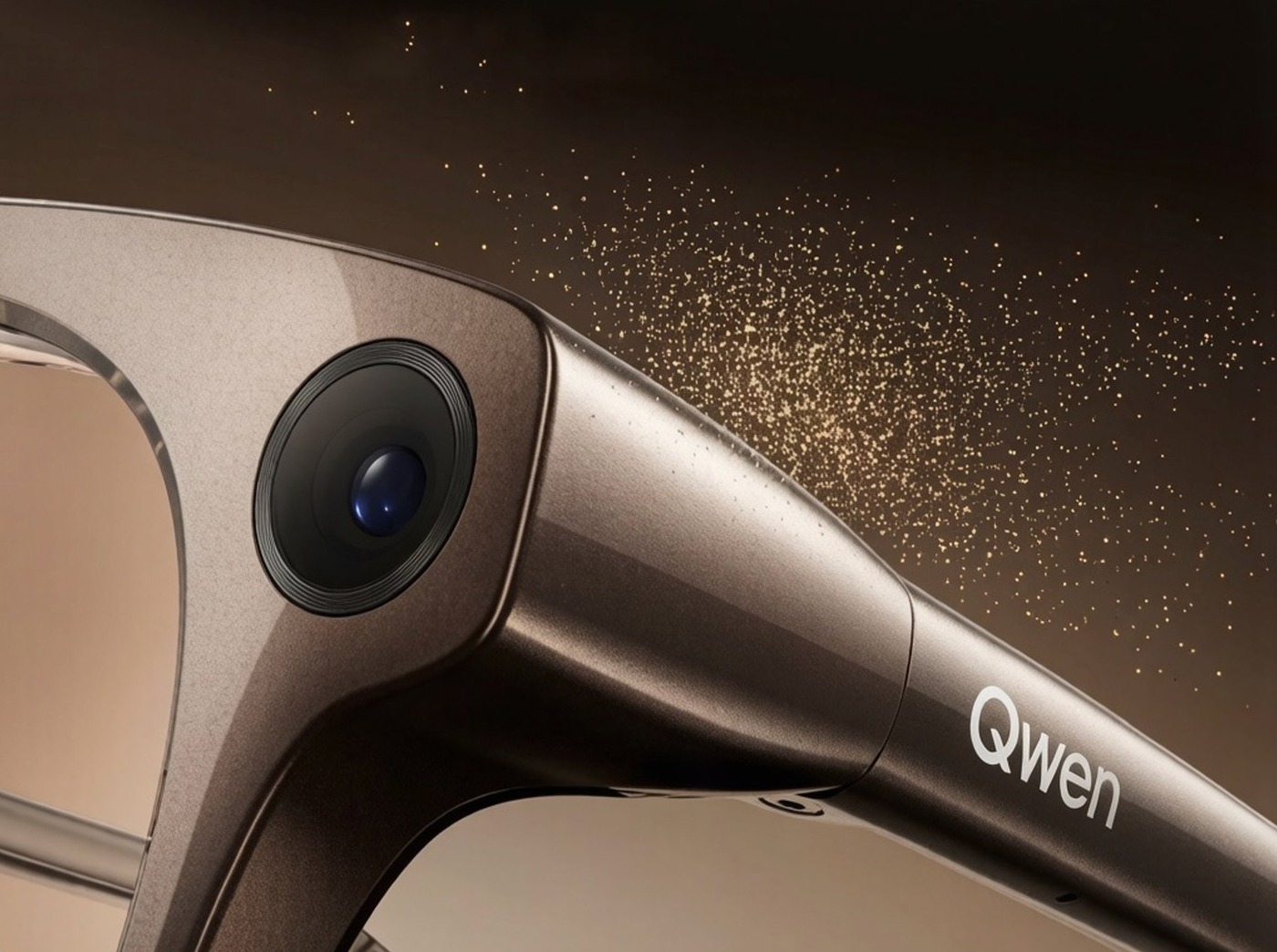 Image: Alibaba Qwen launch material via X
The design choice that stands out is the battery. Each pair keeps its cells in the temple arms, and owners can pull one out and swap in a spare. IT Home lists about nine hours of mixed use for the N1 and eight for the N1 Pro, and Cocoloop reports that the Pro can hot-swap without switching off. Alibaba told reporters the glasses can stay on standby for up to 25 hours, according to Mint. “Super battery life” bundles with extra cells cost about 400 yuan more.
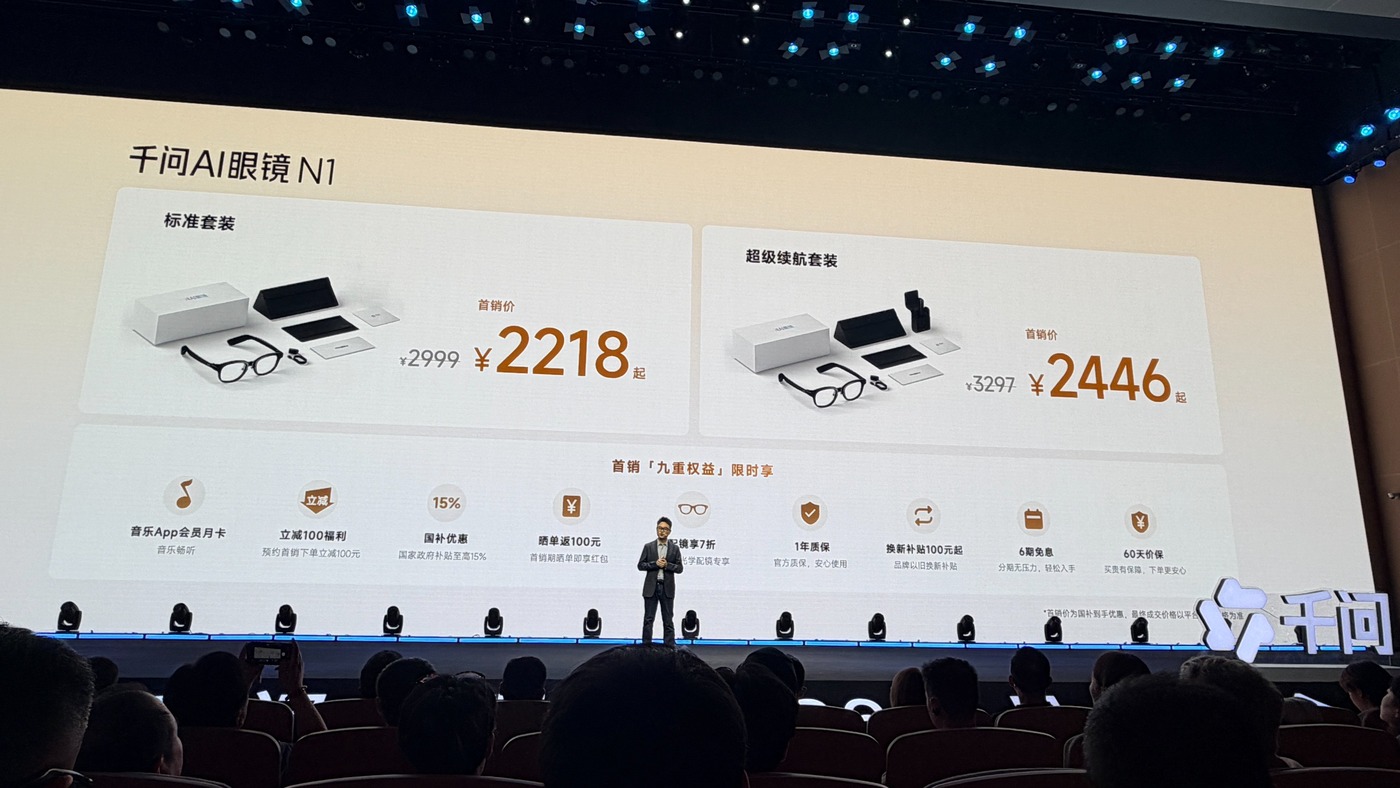 Photo: VRAR World
The N1 Pro is where Alibaba departs from most rivals. It adds eye-tracking controls, so a wearer can look at an object to ask about it, and iris verification for payments. It also monitors heart rate, blood oxygen and skin temperature, and Qwen calls it the first AI glasses with real-time vital sign tracking. That is the company’s own claim. Alibaba owns Alipay, which gives it a payment link competitors would struggle to copy, but the launch materials do not say where iris data is stored or whether matching happens on the device or in the cloud.
Alibaba also started selling Qwen Clip, its first AI earbuds, developed with Bose. They clip onto the ear and handle translation and note-taking, and Bloomberg put the price at 1,299 yuan. The company first showed the N1 series and the earbuds at its Apsara conference in September and opened preorders on Sept. 22.
Song Gang, a vice president in Alibaba’s Qwen business, described the glasses at the launch as a second pair of eyes and ears for users, Chinese site ZOL reported. The timing is not easy. IDC counted 611,000 smart glasses shipped in China in the second quarter of 2026, down 8 percent from a year earlier and the first decline the market has recorded. Alibaba has not released sales or preorder figures, so the first read on demand will come from buyers over the coming weeks.